


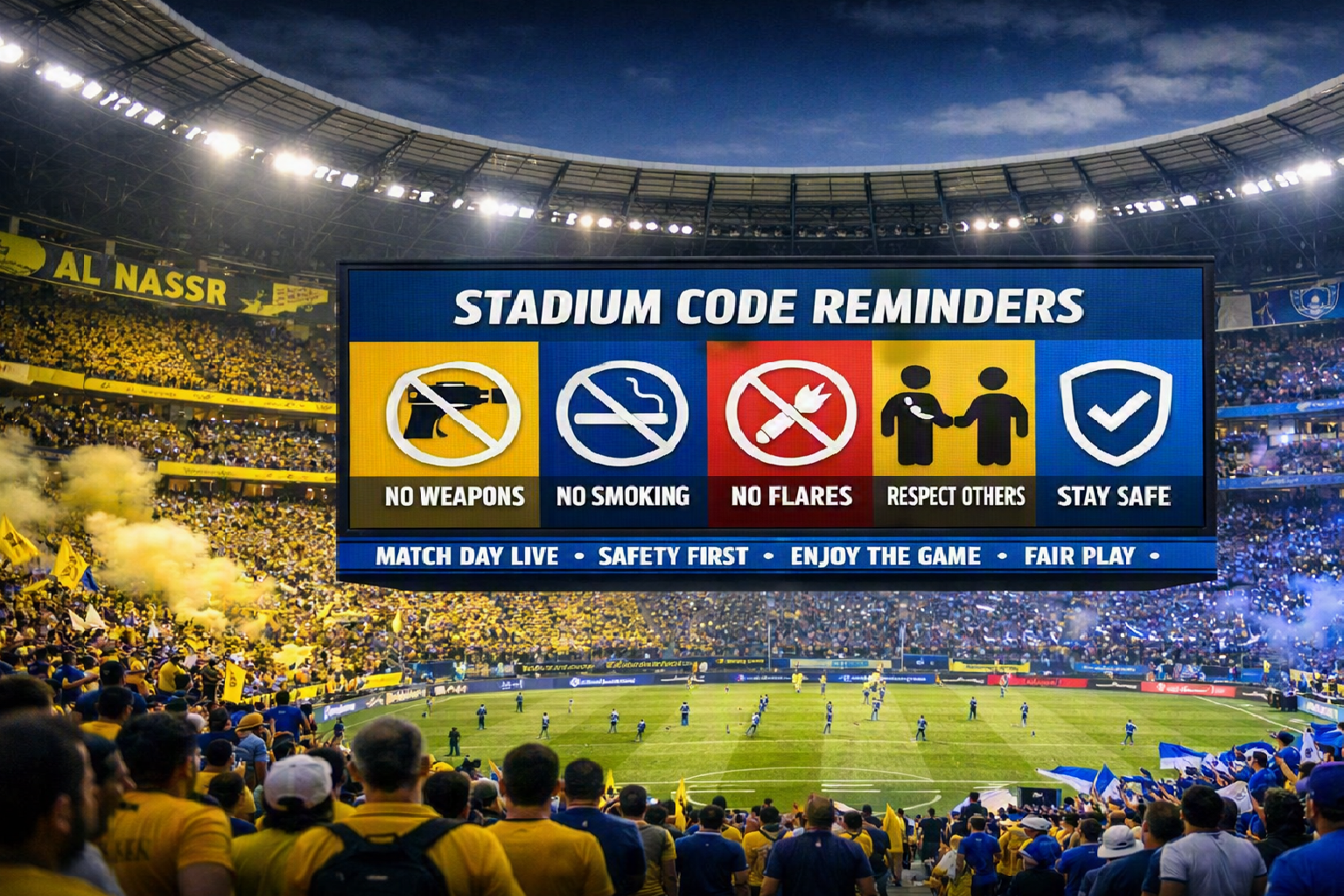
Saudi Football Federation Action: Football is often celebrated as the “beautiful game,” but its beauty fades when passion turns into cruelty. The recent incident in Saudi Arabia, where fans mocked Ruben Neves with chants about the late Diogo Jota, has shaken the global football community. Cristiano Ronaldo’s demand for lifetime bans and the Saudi Football Federation’s vow to act have turned this into a defining moment for Saudi football. In this article, we’ll unpack the incident, explore global precedents, analyze ethical dimensions, and assess the implications for Saudi Arabia’s ambitious World Cup 2034 hosting plans.
The Incident
During Al-Hilal’s emphatic 6–0 victory over Al-Taawoun, rival fans crossed a line that shocked players and spectators alike.
- Target: Ruben Neves, a Portuguese midfielder and close friend of Diogo Jota.
- Chants: Fans referenced Jota’s tragic death in a 2025 car accident.
- Reaction: Neves sarcastically applauded, pointed skyward, and later condemned the hypocrisy of fans who claim to respect the game but mock personal tragedies.
- Cristiano Ronaldo’s Response: Ronaldo, visibly angered, stated: “People who behave like this should never be allowed to enter a stadium again.”
This incident wasn’t just about one match — it symbolized the growing tension between Saudi Arabia’s ambitious football project and the need for strict fan conduct regulation.

Saudi Football Federation Action:
The Saudi Football Federation (SAFF), alongside the Saudi Pro League, issued a strong statement:
- Condemnation: Declared the chants “unacceptable” and “contrary to the values of football.”
- Action Plan: Promised disciplinary measures under existing regulations.
- Global Context: Framed the misconduct as incompatible with Saudi Arabia’s World Cup 2034 hosting ambitions.
This response reflects Saudi Arabia’s awareness that its football reputation is under global scrutiny. Hosting the World Cup requires not only infrastructure but also credibility in governance and fan culture.
Global Comparisons: How Other Leagues Handle Fan Misconduct
Fan misconduct is not new. Across Europe and South America, governing bodies have faced similar challenges.
| League/Body | Typical Sanctions | Notable Cases |
|---|---|---|
| UEFA | Fines, stadium closures, bans | Racist chants in Italy |
| FIFA | National federation sanctions | Mexico fined for homophobic chants |
| Premier League | Lifetime bans, police action | Chelsea fans banned for racist abuse |
| Saudi Pro League | Developing framework | First major global spotlight case |
Pro Insight: Stadium bans are most effective when paired with digital ticketing and biometric entry systems to prevent re-entry under false identities.
Why This Matters for Saudi Arabia
Saudi Arabia has invested over $2 billion in football since 2023, signing global stars like Ronaldo, Neymar, and Benzema. The misconduct issue matters because:
- Reputation Risk: FIFA requires strict fan conduct standards for World Cup hosts.
- Investment Protection: Global stars expect safe, respectful environments.
- Cultural Shift: Saudi football must balance passionate fandom with international norms.
Failure to address misconduct could undermine Saudi Arabia’s credibility as a football powerhouse.
Ethical & Psychological Dimensions
Fan behavior isn’t just a governance issue — it’s deeply ethical and psychological.
- Impact on Players: Mocking personal tragedies can cause trauma, affecting mental health and performance.
- Moral Responsibility: Fans must recognize boundaries between rivalry and cruelty.
- Governance Challenge: Authorities must enforce bans consistently to build trust.
This incident highlights the need for education campaigns alongside disciplinary measures, teaching fans about respect and empathy.
Frequently Asked Questions
1. What action can the Saudi Football Federation take?
They can impose fines, stadium bans, and enforce stricter entry regulations to prevent repeat offenders.
2. Why did Ronaldo call for lifetime bans?
He believes extreme misconduct undermines football’s integrity and traumatizes players, requiring permanent exclusion.
3. How does this affect Saudi Arabia’s World Cup 2034 bid?
Fan misconduct could damage Saudi Arabia’s reputation, making strict governance essential for FIFA approval.
4. Are lifetime bans common in football?
Yes, especially in Europe. Clubs like Chelsea and Juventus have banned fans for racist or violent behavior.
5. Could technology help enforce bans?
Yes, biometric entry and digital ticketing systems can prevent banned fans from re-entering stadiums.
6. How did Ruben Neves react?
He sarcastically applauded and pointed skyward, highlighting his grief and frustration.
7. What role does FIFA play?
FIFA monitors national federations and can impose sanctions if misconduct persists.
The Saudi Football Federation’s vow to act against fan misconduct marks a turning point in the nation’s football journey. With Ronaldo’s demand for lifetime bans, Saudi Arabia faces a test of credibility as it prepares to host the World Cup 2034. The path forward is clear: strict governance, technological enforcement, and cultural education are essential to protect players and elevate Saudi football to global standards.
Call-to-Action: Stay updated on Saudi football governance and global fan conduct cases—subscribe to our sports insights newsletter for expert analysis.
Read more football news and latest updates






Leave a Reply