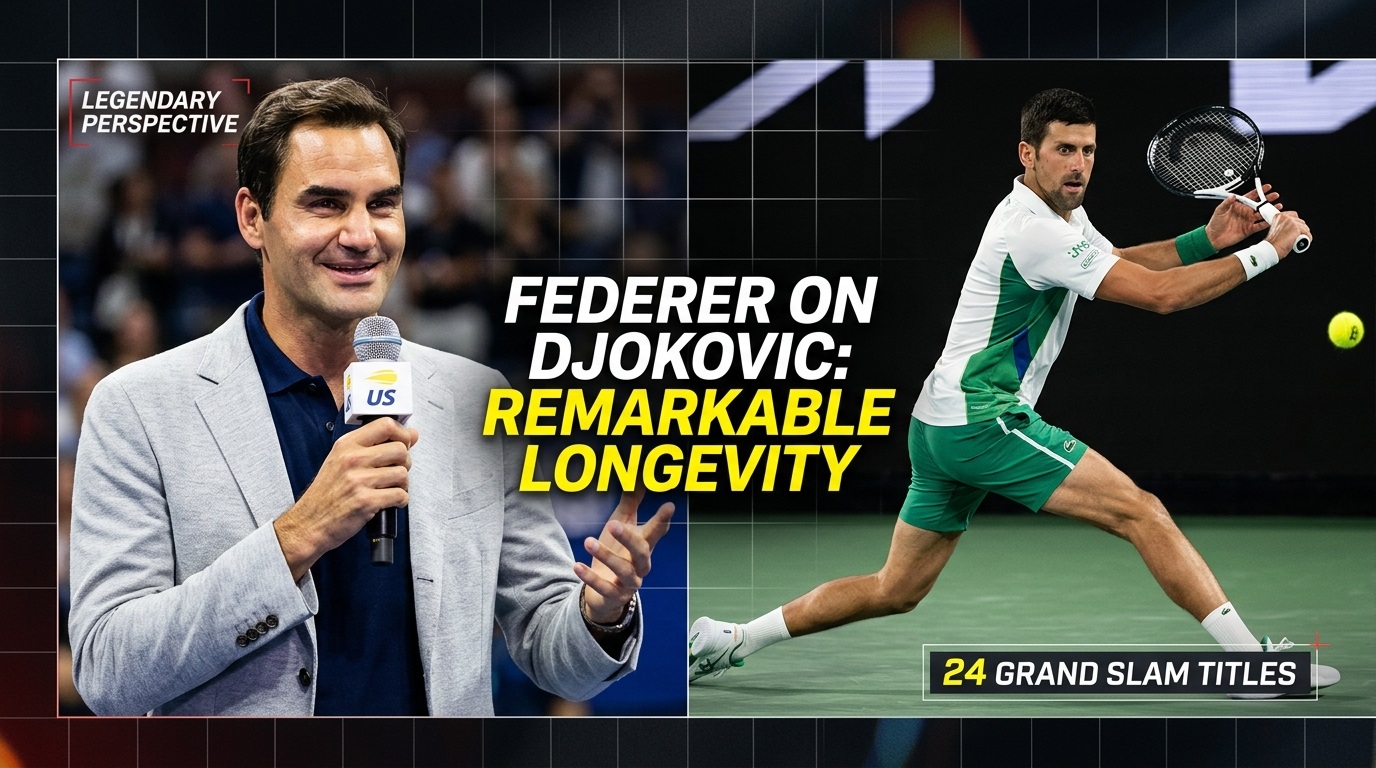
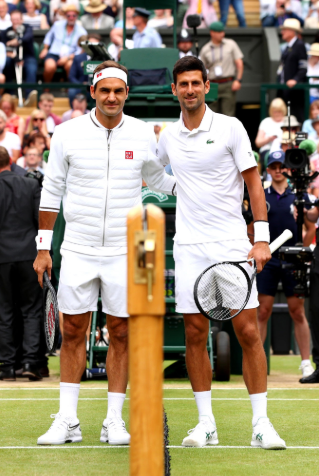
Roger Federer recently stunned the tennis world at Flushing Meadows by delivering a glowing assessment of his former rival. Speaking during an exhibition appearance alongside Andy Roddick, John McEnroe, and Andre Agassi, the 20-time Grand Slam champion praised Novak Djokovic longevity and admitted he expected the Serbian star to experience a sharp physical decline years ago. Instead, Djokovic continues to dominate at the highest level, challenging historical standards of athletic endurance.
Federer acknowledged that Djokovic has solidified his status among the greatest athletes in history. The Swiss icon highlighted how Djokovic systematically erased early technical weaknesses, transformed his recovery regimen, and maintained elite physical conditioning into his late thirties.
This deep breakdown examines the structural factors behind Novak Djokovic longevity, analyzing technical changes, workload strategies, and insights from Federer’s comments.
1. Ironing Out Technical Flaws: The Evolution of Djokovic’s Game
When Novak Djokovic entered the ATP Tour in the mid-2000s, critics noted visible flaws in his game. Early in his career, his serve lacked free power, his overhead smash was unreliable, and physical exhaustion occasionally forced mid-match retirements during grueling long rallies.
Federer specifically highlighted this transformation during his comments in New York:
“He has made so many improvements throughout his career. I saw the flaws he used to have in his game and how he was able to iron those out. It’s amazing and biggest congrats to him.”
Djokovic addressed these weaknesses through targeted adjustments:
- Serve Biomechanics: Partnering with former rival Boris Becker and later Goran Ivanišević, Djokovic redesigned his toss placement and trophy position. This change yielded higher first-serve precision and unreturned serve percentages without placing excessive stress on his shoulder.
- Forehand Wing Compression: He shortened his backswing on faster hard courts, allowing him to absorb pace effortlessly against big hitters.
- Net Play & Drop Shots: Once a vulnerability, his front-court touch developed into a reliable tactic to shorten points and conserve energy during long matches.
2. Mastery of All Surfaces: Beyond Hard Courts
While Djokovic established his early dominance on hard courts, winning a record 10 Australian Open crowns, his long-term success stems from his ability to adapt across all court types. Novak Djokovic longevity relies heavily on his tactical flexibility, allowing him to win on clay, grass, and hard courts alike.
Federer noted that Djokovic’s greatness comes from complete surface adaptation rather than reliance on favorable conditions:
| Surface | Major Titles | Key Tactical Adjustment | Novak Djokovic Longevity Factor |
| Hard Court | 14 (10 AO, 4 US Open) | Elite baseline defense & directional control | Absorbs pace effortlessly; minimal lateral energy loss |
| Grass Court | 7 (Wimbledon) | Superior low-ball slice reception & shortened serve motion | Low joint impact; points stay short through aggressive spot serving |
| Clay Court | 3 (Roland Garros) | Sliding recovery & heavy topspin height variation | Unmatched flexibility prevents soft-tissue muscle strains |
Federer highlighted this complete court mastery:
“He’s an amazing player who has solidified himself so well. Not only on the hard courts that he is famous for, but on grass and clay.”
3. Movement Economy and Physical Maintenance
In elite sport, aging usually reduces lateral movement speed. However, Novak Djokovic longevity is built on movement efficiency rather than raw sprinting power.
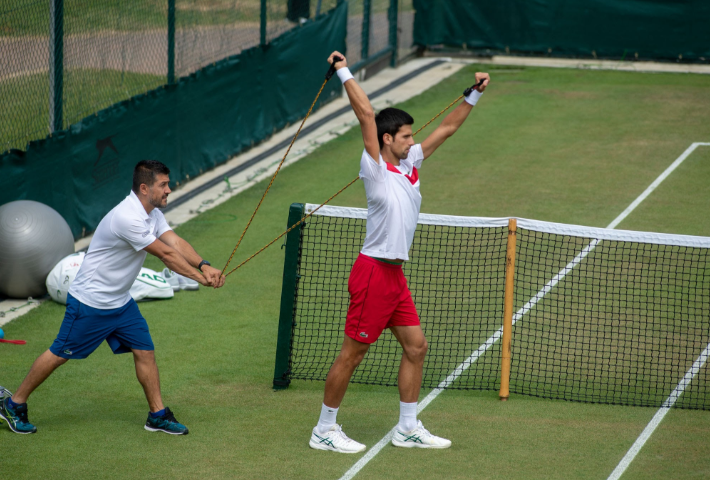
Djokovic prioritizes muscle elasticity, balance, and joint mobility over heavy weightlifting. This focus allows his body to absorb hard-court impacts without chronic joint damage.
The Biological Blueprint of Djokovic’s Endurance
- Gluten-Free & Plant-Focused Nutrition: Redefining his diet in 2011 reduced systemic inflammation and cut post-match recovery windows in half.
- Hyper-Specific Flexibility Protocols: Daily two-hour stretching routines before and after hit sessions keep his connective tissue pliable, preventing hamstring and groin tears.
- Optimized Movement Patterns: Instead of stopping abruptly on hard courts, Djokovic slides into shot recovery, spreading frictional force evenly across his ankles, knees, and hips.
4. Strategic Schedule Management in Later Career Stages
A key factor supporting Novak Djokovic longevity is his refined approach to calendar planning. Recognizing that competing in 20+ tournaments annually is unsustainable past age 35, Djokovic trimmed his playing schedule to focus on peak performance at major events.
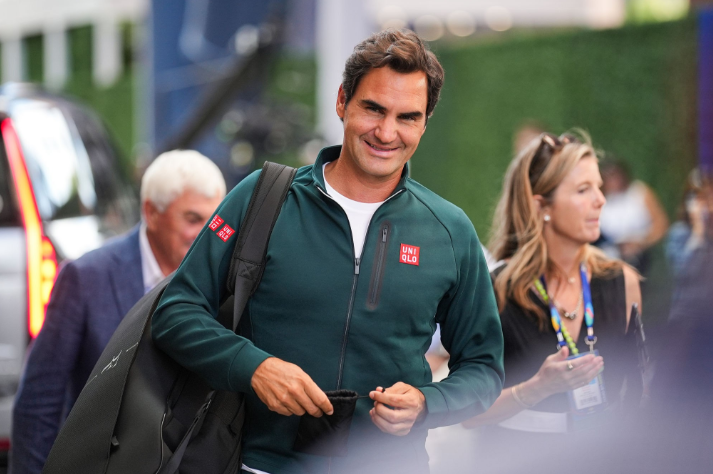
Federer observed this tactical scheduling shift:
“I would have thought that maybe he was getting to a place where all of a sudden we would see a much bigger decline. But last year he reached the semis of the four Grand Slams and then again this year again very strong. It’s fascinating to see how he is able to keep himself in shape, and he is playing less and less but still able to come through.”
By skipping minor ATP 250 and 500 events, Djokovic enters Grand Slam tournaments fresh. He relies on early-round matches to build rhythm rather than burning energy in warm-up events.
5. Mental Stamina and Pursuit of the 25th Major
Physical fitness alone does not fully explain Novak Djokovic longevity; mental endurance plays an equal role. Chasing a record-breaking 25th Grand Slam singles title to surpass Margaret Court’s all-time mark, Djokovic maintains sharp competitive drive despite winning every major trophy in tennis, including Olympic Gold.
Big Three Longevity Comparison Past Age 35
| Metric | Novak Djokovic (Age 35+) | Roger Federer (Age 35+) | Rafael Nadal (Age 35+) |
| Grand Slam Titles | 4 Titles | 3 Titles | 2 Titles |
| Grand Slam Finals | 7 Finals | 4 Finals | 2 Finals |
| Weeks at No. 1 | 50+ Weeks | 8 Weeks | 0 Weeks |
| Primary Strength | Elastic recovery & stamina | Serve placement & short points | Heavy topspin & tactical fight |
Federer summed up Djokovic’s staying power simply:
“That’s OK. He has done incredible. It’s amazing what he has been able to do.”
Frequently Asked Questions
What did Roger Federer say about Novak Djokovic longevity?
Roger Federer praised Novak Djokovic for maintaining elite physical fitness and tennis quality deep into his late thirties. Federer admitted he expected a steeper decline, but praised Djokovic’s ability to play fewer events while remaining a top contender at every Grand Slam tournament.
How many Grand Slam titles has Novak Djokovic won?
Novak Djokovic has won 24 Grand Slam singles titles. He holds the record for the most men’s singles majors in tennis history, surpassing Roger Federer’s 20 titles and Rafael Nadal’s 22 titles, while targeting an all-time record 25th major title.
What are the main keys to Novak Djokovic longevity?
Novak Djokovic longevity relies on flexible movement patterns, a plant-focused diet, customized elastic recovery routines, serve technique updates, and a selective tournament schedule that keeps him fresh for major events.
How does Djokovic’s schedule help his career longevity?
Djokovic reduced his tournament load to focus primarily on Grand Slams and key Masters 1000 events. Playing fewer matches prevents physical burnout, minimizes travel stress, and allows extended recovery periods between major competitions.
Why did Roger Federer think Djokovic would decline earlier?
Federer noted that tennis historically inflicts heavy physical toll on players in their mid-thirties due to demanding court movements. Given Djokovic’s intense baseline style, Federer expected a natural physical drop-off, which Djokovic avoided through movement efficiency and precise workload management.
The Unmatched Standard of Tennis Endurance
Novak Djokovic longevity has rewritten expectations for modern athletic careers. By combining technical refinements, precise physical conditioning, and strategic tournament scheduling, the Serbian champion transformed potential physical limits into sustained dominance.
Roger Federer’s praise confirms what the statistics already show: Djokovic did not just adapt to the physical demands of elite tennis—he redefined how players manage recovery, career length, and technical evolution. As he pursues a historical 25th Grand Slam title, his approach offers a clear template for long-term excellence in professional sports.
Key Takeaways for Sports Analysts and Fans
- Adaptability Over Habit: Djokovic revamped core elements of his game, including his serve and movement patterns, well into his professional career.
- Smart Recovery Protocols: Daily mobility work and anti-inflammatory nutrition play as big a role in winning titles as on-court practice.
- Targeted Scheduling: Reducing match volume past age 35 preserves peak physical capacity for the biggest tournaments.
Read more football news and latest updates