


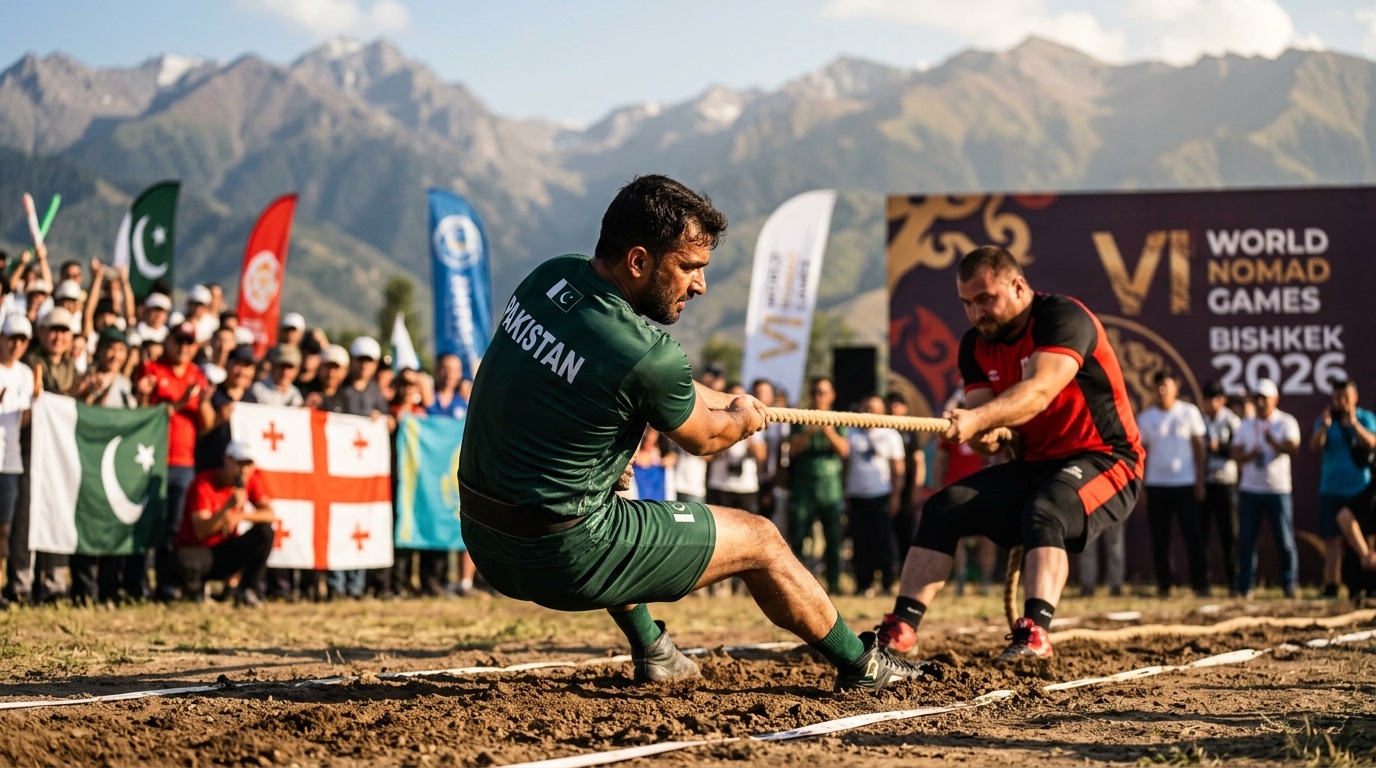
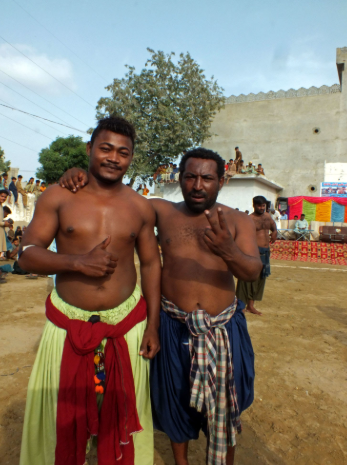
Pakistan Win 4 Bronze Medals: Pakistan secured a historic milestone on the international athletic stage as national competitors earned key podium finishes in Central Asia. When news broke that Pakistan win four bronze medals at the prestigious World Nomad Games in Bishkek, it highlighted the country’s rising potential in non-conventional sports. Competing against elite international delegations across multi-disciplinary events, Pakistani athletes showcased exceptional strength, tactical prowess, and resilience in indigenous sporting categories.
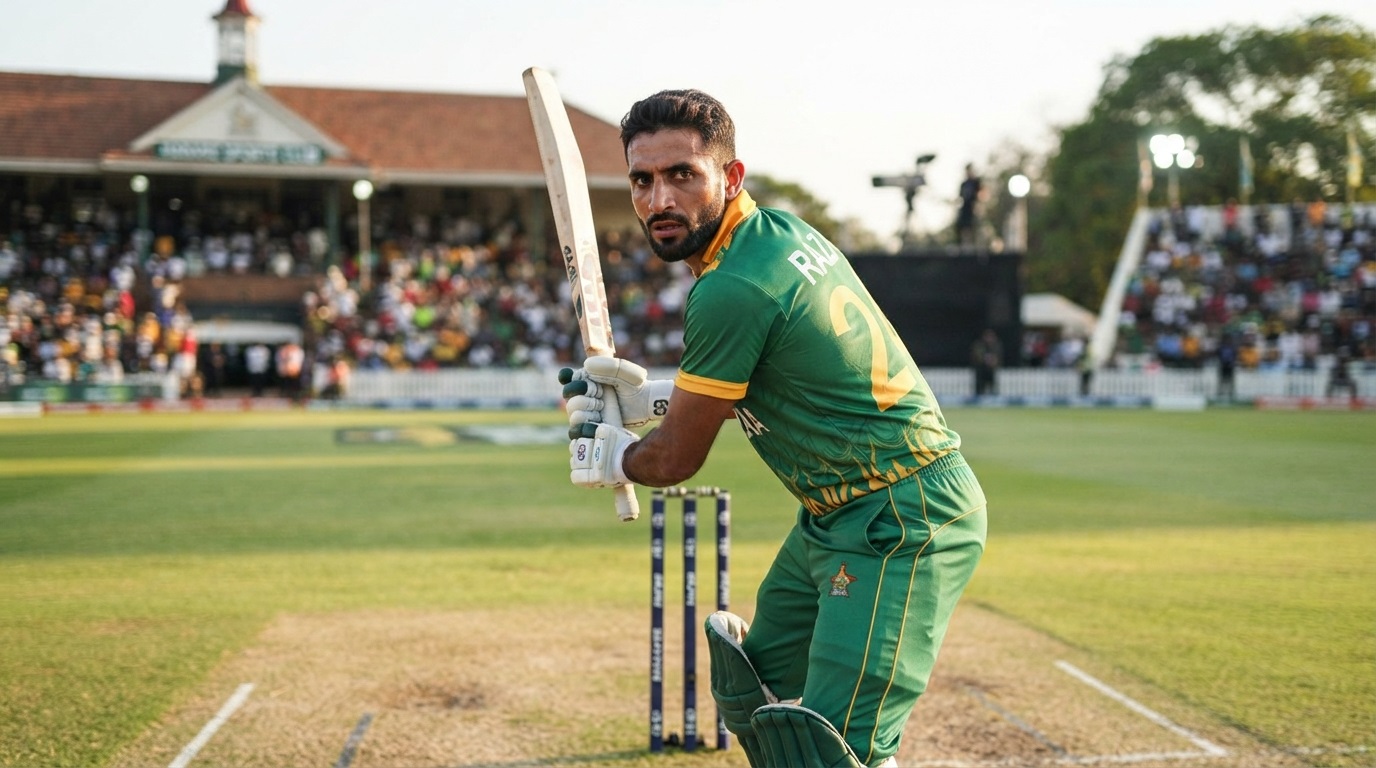
The national squad earned accolades across two demanding traditional disciplines: 1×1 tug-of-war, 8×8 team tug-of-war, and heavy-category mas-wrestling. This accomplishment demonstrates how Pakistani sports federations can diversify national athletic achievements beyond conventional fields like cricket and hockey.
Complete Overview of Pakistan Medal Achievements
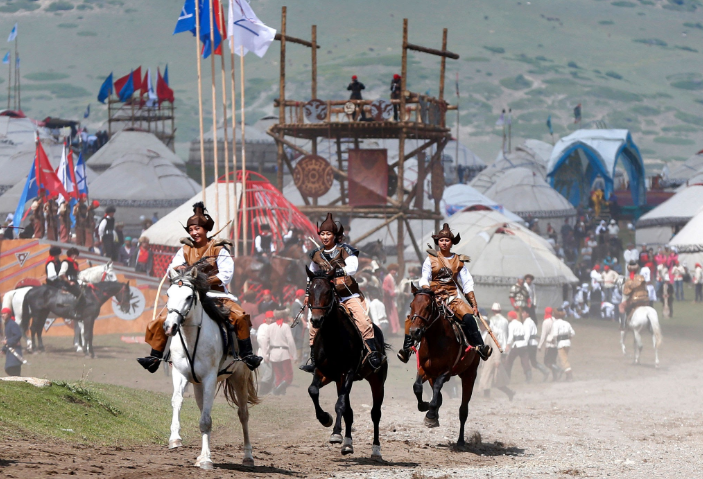
The 6th edition of the World Nomad Games gathered thousands of elite athletes from dozens of nations to celebrate cultural heritage and physical strength. The campaign ended on a triumphant note as Pakistan win four bronze medals, earning respect from veteran competitors across Central Asia, Eastern Europe, and the Middle East.
| Athlete / Team | Discipline | Category / Format | Key Opponents Defeated | Final Medal |
| Tayyab Raza Awan | Tug-of-War | 1×1 Individual | Russia, Georgia, Britain, Iran | Bronze |
| National Team | Tug-of-War | 8×8 Team Format | India, Iran (Third-place bout) | Bronze |
| Mohammad Asim | Mas-Wrestling | Men’s 90kg Category | Iran (Bronze Medal Match) | Bronze |
| Iqra Naseeb | Mas-Wrestling | Women’s 90kg+ Category | Regional Competitors | Bronze |
Key Takeaway: Every single podium finish achieved during this campaign came after head-to-head victories against world-class opponents, proving that Pakistani athletes possess elite physical conditioning even with limited training budgets.
Tug-of-War Breakdown: Individual & Team Brilliance
Tug-of-war at the international level requires much more than brute force—it demands lower-body leverage, grip endurance, and precise synchronization. The dual bronze performance confirmed that Pakistan win four bronze medals due to rigorous tactical preparation.
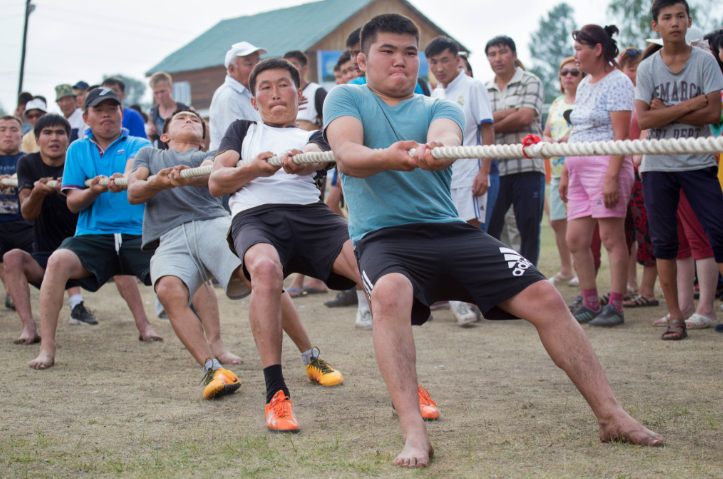
Tayyab Raza Awan’s Solo Run in 1×1 Tug-of-War
In the individual 1×1 tug-of-war competition, Tayyab Raza Awan delivered one of the most remarkable solo performances of the tournament:
- Early Elimination Rounds: Awan outmaneuvered powerhouses from Russia and Georgia using superior foot placement and anchor stability.
- Quarterfinal Mastery: He systematically broke the grip of his British counterpart in a grueling endurance battle.
- Bronze Medal Match: Awan faced a formidable opponent from Iran, maintaining an unyielding low center of gravity to pull his opponent across the marker line and secure Pakistan’s first bronze.
The 8×8 Team Strategy: Defeating Regional Rivals
The 8-man team tug-of-war competition featured heavy competition from nations such as South Korea, Kazakhstan, Kyrgyzstan, Brazil, and Georgia.
The Pakistani squad demonstrated cohesion during the group stages, highlighted by a victory over arch-rival India. After dropping a tight semi-final match against host-nation favorites, Pakistan regrouped in the third-place playoff against Iran. Utilizing synchronized pulls led by their head anchor, the team pulled Iran across the mark to lock in the podium finish.
Mas-Wrestling Success: Combat Mechanics Explained
Mas-wrestling—an ancient ethnic sport originating from Yakutia—tests raw grip strength, core stability, and back leverage. Two athletes sit opposite each other, feet braced against a divider board, and attempt to pull a small wooden stick (mas) out of the opponent’s hands or pull the opponent over the divider.
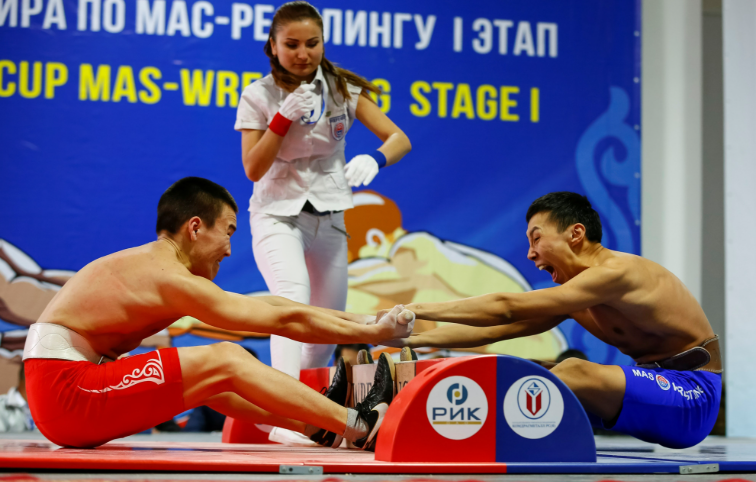
Mohammad Asim (Men’s 90kg Category)
Competing in the highly competitive 90kg division, Mohammad Asim demonstrated explosive hip extension and hand control. In his bronze medal bout against a skilled wrestler from Iran, Asim executed a quick counter-pull technique:
- Initial Snap: Neutralized the Iranian wrestler’s opening pull by flexing his dorsi muscles.
- Leverage Shift: Used his legs against the footboard to lift his opponent’s center of mass.
- Final Hold: Stripped the stick cleanly to claim the bronze medal.
Iqra Naseeb (Women’s 90kg+ Heavyweight Division)
Iqra Naseeb made national headlines by winning bronze in the women’s 90kg plus division. Facing seasoned strength athletes from across Central Asia, Naseeb’s victory highlights the growing talent of female athletes in non-traditional Pakistani combat sports.
Technical Insight: Unlike traditional freestyle wrestling, mas-wrestling eliminates rotational movement. Success depends entirely on explosive pulling power, forearm stamina, and hamstrings engagement.
Historical Context: World Nomad Games Evolution
The World Nomad Games serve as the premier global platform for traditional and indigenous sports. Established in 2014 to preserve nomadic heritage, the event has expanded into a global spectacle hosting over 80 nations.
Growth of the World Nomad Games (2014–2026)
- 2014 (Cholpon-Ata, Kyrgyzstan): 19 nations, 10 sporting disciplines.
- 2016 (Cholpon-Ata, Kyrgyzstan): 62 nations, expanded equestrian and archery sports.
- 2018 (Cholpon-Ata, Kyrgyzstan): 82 nations, introduction of global media broadcasting.
- 2022 (Iznik, Turkey): First host outside Kyrgyzstan; over 3,000 international athletes.
- 2024 (Astana, Kazakhstan): Record participation across Central Asian combat sports.
- 2026 (Bishkek, Kyrgyzstan): Sixth edition featuring 100+ participating nations, where Pakistan win four bronze medals across traditional force-based sports.
National Impact and Strategic Roadmap for Pakistani Athletics
The achievement of winning four international medals highlights the untapped talent within domestic strength sports. However, sustaining these accomplishments requires structured policy reform and grassroots investment.
       [Grassroots Talent Identification]
                       │
                       ▼
       [Regional Strength & Conditioning Hubs]
                       │
                       ▼
       [Federation Funding & International Camps]
                       │
                       ▼
       [Consistent Podium Finishes at World Stage]
3 Actionable Recommendations for Sports Federations
- Establish Dedicated Strength Sports Centers: The Pakistan Sports Board (PSB) should build specialized training facilities for mas-wrestling, tug-of-war, and traditional wrestling in athletic hubs like Lahore, Faisalabad, and Peshawar.
- Provide Overseas Exposure & Joint Camps: Sending national athletes to training camps in Central Asian nations (Kyrgyzstan, Uzbekistan, Kazakhstan) will refine technical proficiency in traditional disciplines.
- Institutional Financial Sponsorships: Providing stipends to individual champions like Tayyab Raza Awan, Mohammad Asim, and Iqra Naseeb allows them to train full-time without financial strain.
Frequently Asked Questions
How many medals did Pakistan win at the World Nomad Games?
Pakistan won four bronze medals at the World Nomad Games in Bishkek. The national squad earned two bronze medals in tug-of-war (1×1 individual and 8×8 team format) and two bronze medals in mas-wrestling (Men’s 90kg and Women’s 90kg+ categories).
Who are the individual medal winners for Pakistan?
The individual bronze medal winners are Tayyab Raza Awan in 1×1 tug-of-war, Mohammad Asim in the Men’s 90kg mas-wrestling division, and Iqra Naseeb in the Women’s 90kg+ mas-wrestling category. The 8×8 tug-of-war squad earned the fourth medal.
What sports did Pakistan compete in during the tournament?
Pakistan fielded official contingents across four primary disciplines: equestrian events, traditional archery, mas-wrestling, and tug-of-war. The nation achieved its highest tournament success within the strength and combat sports categories.
What is mas-wrestling and how is it scored?
Mas-wrestling is an indigenous sport where two seated competitors hold a wooden stick (mas) while bracing their feet against a central board. An athlete wins a bout by pulling the stick out of the opponent’s hands or pulling the opponent over the board.
Where were the World Nomad Games held?
The 6th edition of the World Nomad Games took place in Bishkek, Kyrgyzstan, featuring thousands of athletes from over 100 nations competing in traditional Central Asian sports.
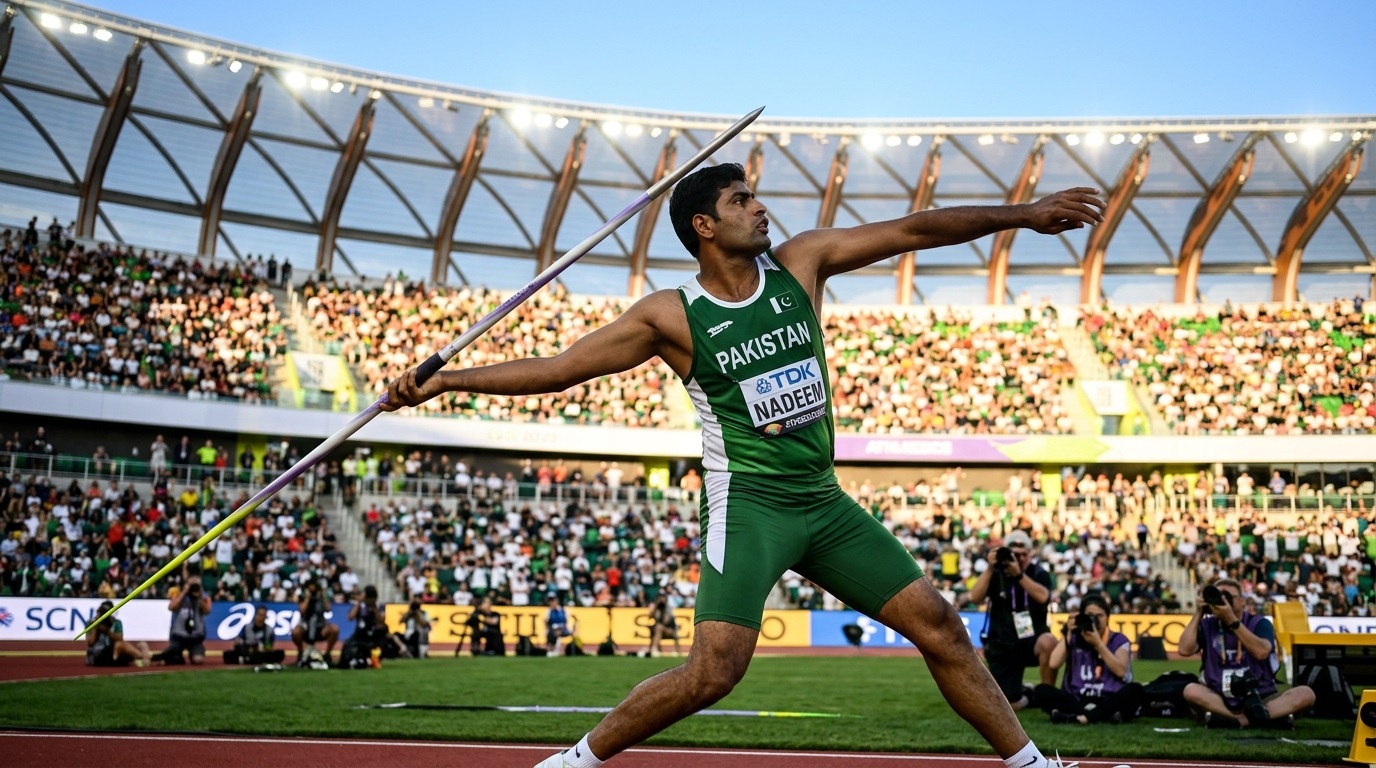
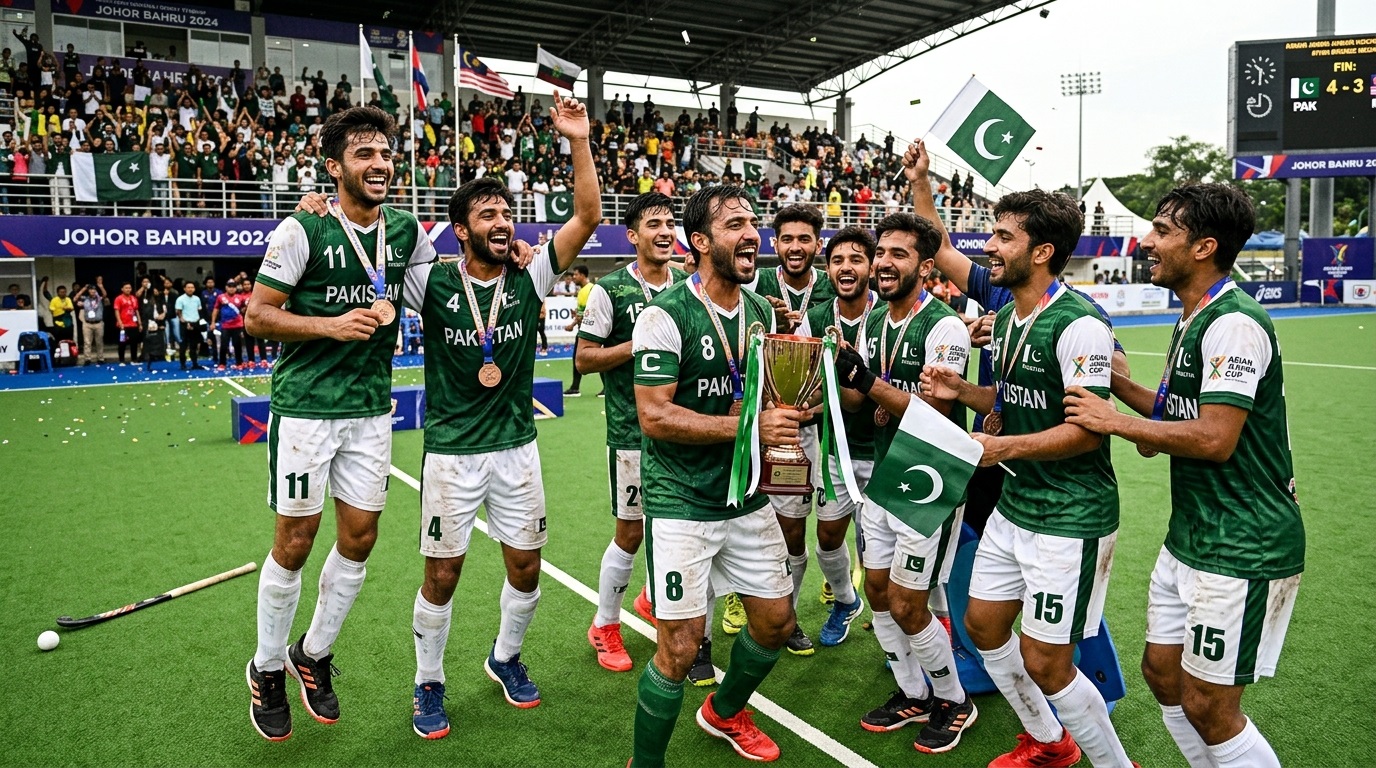
The national performance at the World Nomad Games demonstrates that Pakistan win four bronze medals through elite determination and natural talent. By securing podium spots against top international athletes in mas-wrestling and tug-of-war, Tayyab Raza Awan, Mohammad Asim, Iqra Naseeb, and the national tug-of-war team have shown that Pakistani sports extend far beyond cricket fields.
To turn these bronze medals into gold at future international events, the Pakistan Sports Board, national federations, and private sponsors must support these athletes with proper equipment, modern training centers, and financial stipends.




Leave a Reply