


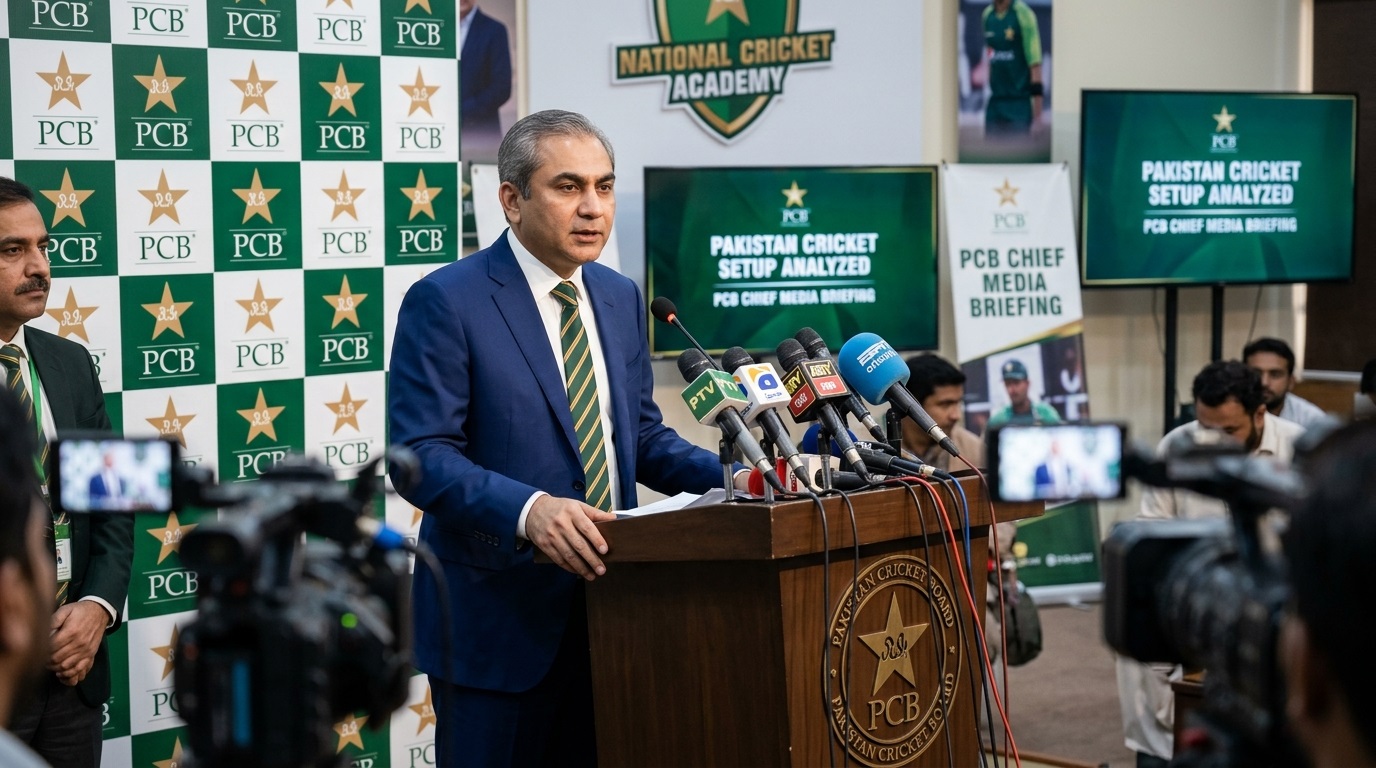
Pakistan Cricket Setup Analyzed with 3 Major PCB Shifts: The debate surrounding the modern Pakistan cricket setup has reached a crucial turning point. Discussions about squad selection, administrative direction, and performance metrics across formats have sparked widespread interest among fans and commentators worldwide. Following recent Test series challenges in England and domestic restructuring efforts, critics have questioned whether the national team’s operational model remains sustainable.
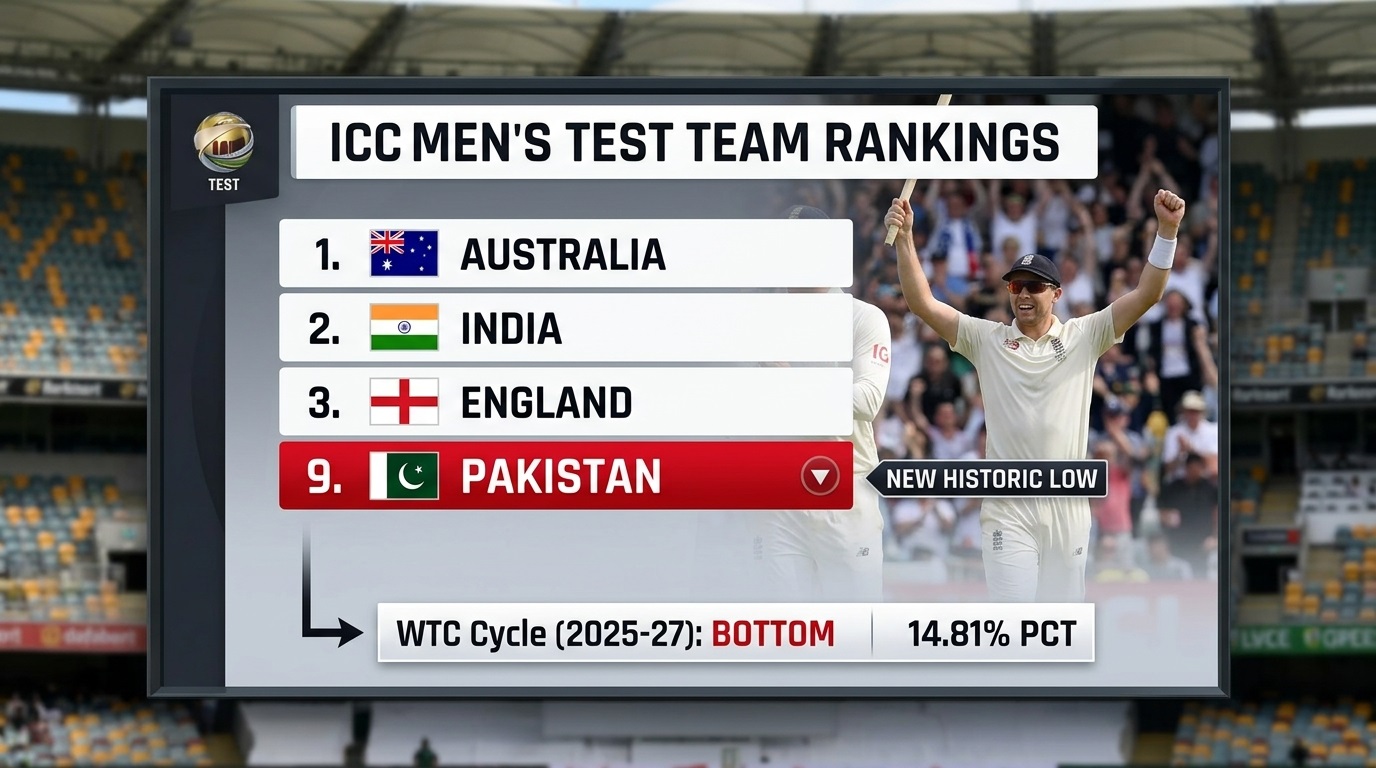
However, Pakistan Cricket Board (PCB) Chairman Mohsin Naqvi recently rejected assertions that national cricket is experiencing a permanent decline. Speaking to media representatives in London, Naqvi described claims of terminal failure as unfounded. He pointed toward measurable improvements in limited-overs formats, where Pakistan’s ODI ranking advanced from eighth to fifth, alongside a notable rise in series victory percentages.
Analyzing the current state of cricket in Pakistan requires moving beyond emotional headlines to evaluate empirical data, historical precedents, and structural governance models.

The Statistical Reality: White-Ball Progress vs. Test Match Vulnerabilities
Evaluating the Pakistan cricket setup requires separating white-ball international performances from red-ball Test results. A generalized view risks overlooking specific areas of growth while masking tactical deficiencies in multi-day cricket.
                    PAKISTAN CRICKET SETUP FORM FACTOR
  ┌─────────────────────────────────┐   ┌─────────────────────────────────┐
  │     WHITE-BALL PERFORMANCE      │   │      RED-BALL PERFORMANCE       │
  ├─────────────────────────────────┤   ├─────────────────────────────────┤
  │ • ODI Ranking: #8 ➔ #5          │   │ • World Test Championship Lows  │
  │ • Series Win Rate: ~73%         │   │ • Mid-Series Squad Turnover     │
  │ • Tactical Clarity in ODIs      │   │ • Selection Instability         │
  └─────────────────────────────────┘   └─────────────────────────────────┘
Limited-Overs Resurgence
In One Day Internationals (ODIs), the statistical trajectory shows clear upward movement. Over recent cycles, Pakistan secured four victories out of six ODI series, elevating their overall win percentage in the format from 24% to 73%. This rise reflects improved top-order consolidation and effective middle-overs bowling management.
Key Performance Insight: Statistical recovery in ODI cricket highlights that squad capability remains intact when tactical roles are defined and consistently maintained across international series.
Test Match Instability
Conversely, the Test format presents persistent operational challenges. Recent Test tours highlighted tactical vulnerabilities, including mid-series squad changes, bowling workload concerns, and top-order batting collapses under challenging conditions. Dropping or substituting senior players mid-tour reflects an ongoing search for squad balance rather than a settled long-term strategy.
| Performance Indicator | White-Ball Form (ODIs/T20Is) | Red-Ball Form (Test Cricket) |
| ICC Ranking Trajectory | Ascending (#8 to #5 in ODIs) | Static / Declining Tier |
| Series Win Percentage | ~73% in Recent Cycles | Sub-40% Overseas |
| Selection Stability | High (Settled Core) | Low (Frequent Mid-Series Edits) |
| Tactical Execution | Strong In-Game Adaptability | Structural Deficiencies in 5-Day Matches |
Evaluating the Selection Framework: Stability vs. Accountability
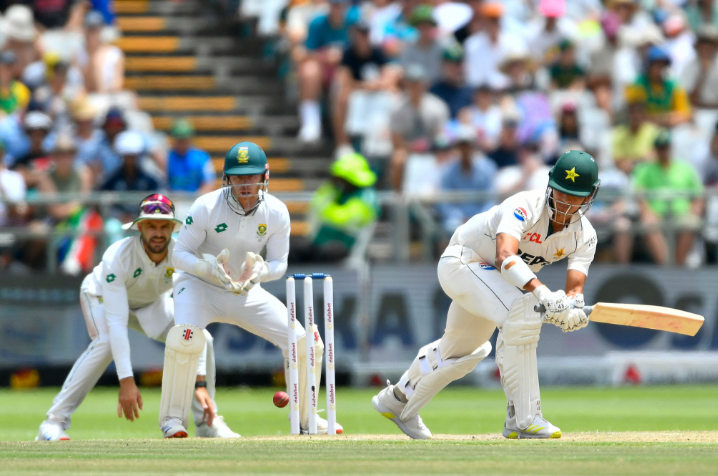
A primary point of discussion within the Pakistan cricket setup centers on selection consistency. Replacing players and coaching personnel mid-series during demanding foreign tours—such as replacing seven players and two coaches during an English tour—has generated debate among former captains and technical experts.
The Risk of Player Insecurity
Former Pakistan captain Azhar Ali noted that abrupt squad changes create psychological insecurity among domestic and international players. When selection parameters shift unpredictably, individual athletes often prioritize short-term survival over long-term tactical execution.
The PCB Governance Perspective
From the administration’s standpoint, accountability remains essential. The PCB leadership maintains that while selection errors occur, tactical changes are made to replace non-performing assets rather than penalize individuals. Balancing performance standards with player security represents an ongoing administrative challenge.
- Selection Dynamics: Frequent adjustments risk undermining team cohesion and long-term player development.
- Meritocracy Enforcement: Maintaining unperforming players without accountability compromises competitive standards.
- Communication Channels: Clear selection criteria reduce external speculation and help build player confidence.
Administrative Continuity in the Pakistan Cricket Setup
The broader health of any cricket system depends heavily on institutional leadership stability. Over recent years, frequent leadership transitions within the PCB administration have led to shifting domestic tournament structures, revised selection committees, and changing central contract terms.
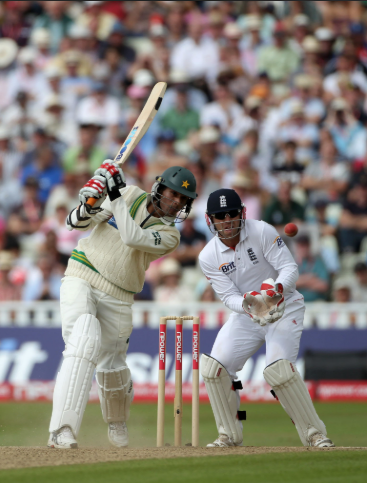
Impact of Frequent Administrative Transitions
- Domestic Competition Shifts: Regular alterations to the first-class format disrupt multi-year talent development pipelines.
- Coaching Staff Changes: Short coaching tenures prevent long-term technical development across formats.
- Selection Committee Reorganizations: Frequent changes in selection committees lead to conflicting team composition strategies.
To build sustainable performance, governance frameworks must extend beyond short-term fixes and establish stable, institutionalized structures.
Strategic Blueprint: 3 Core Shifts to Elevate Pakistan Cricket
Restoring top-tier performance across all formats requires implementing structured reforms within the national cricket framework.
1. Standardize Multi-Year Selection Guidelines
Selection committees should establish transparent performance criteria across two-year cycles. Players selected for Test squads ought to be given guaranteed series windows to adapt to foreign conditions, reducing anxiety surrounding short-term performance fluctuations.
2. Revitalize the First-Class Pitch and Ball Ecosystem
Red-ball success relies on domestic pitch conditions. Domestic pitches must offer a balanced competition between bat and ball, featuring true bounce and seam movement, while standardizing match balls across domestic tournaments to prepare players for international conditions.
3. Implement Data-Driven Central Contracting
Central contracts should incorporate objective performance indicators that reward players for physical fitness, work ethic, and domestic performance alongside international metrics.
Strategic Takeaway: Structural stability, technical continuity, and clear administrative vision are essential for translating short-term white-ball success into long-term Test cricket competitiveness.
Frequently Asked Questions
Is cricket in Pakistan declining across all formats?
No, empirical data shows a distinct division. While Test cricket performance remains inconsistent, white-ball formats have shown measurable improvement, with the national team advancing from eighth to fifth in official ICC ODI rankings and achieving higher victory percentages in recent series.
What are the main criticisms of current PCB selection policies?
Critics point to mid-series squad changes, frequent selection committee rotations, and inconsistent player backing. Former international players note that rapid squad turnover can create player insecurity and hinder long-term tactical cohesion during major international tours.
How has Mohsin Naqvi responded to public criticism of the PCB?
PCB Chairman Mohsin Naqvi has defended recent performance metrics, citing verifiable white-ball victory rates. He emphasized that administrative adjustments aim to maintain accountability, while requesting critics and media outlets to avoid demotivating players during ongoing competitive cycles.
Why does Pakistan encounter challenges in Test cricket compared to ODIs?
Test cricket requires sustained tactical discipline, specialized red-ball technique, and strong domestic first-class foundations. Discrepancies between domestic pitch conditions and international standards, combined with selection changes, have affected consistency in multi-day matches.
How do administrative changes affect national team stability?
Frequent changes in PCB leadership often lead to revised domestic tournament structures, new selection philosophies, and altered central contract policies. Institutional continuity is essential for establishing stable, long-term athletic development systems.
Assertions that the Pakistan cricket setup is in terminal decline do not reflect the complete reality of international performance metrics. White-ball formats demonstrate clear progress, backed by improved rankings and higher series win ratios. However, structural challenges in Test cricket and squad selection consistency require systematic attention.
Achieving long-term success across all formats requires establishing administrative stability, modernizing domestic first-class infrastructure, and maintaining clear selection guidelines. By balancing accountability with player support, the PCB can turn current challenges into a foundation for consistent international success.
Read more sports news and latest updates
Read more cricket news and latest updates





Leave a Reply