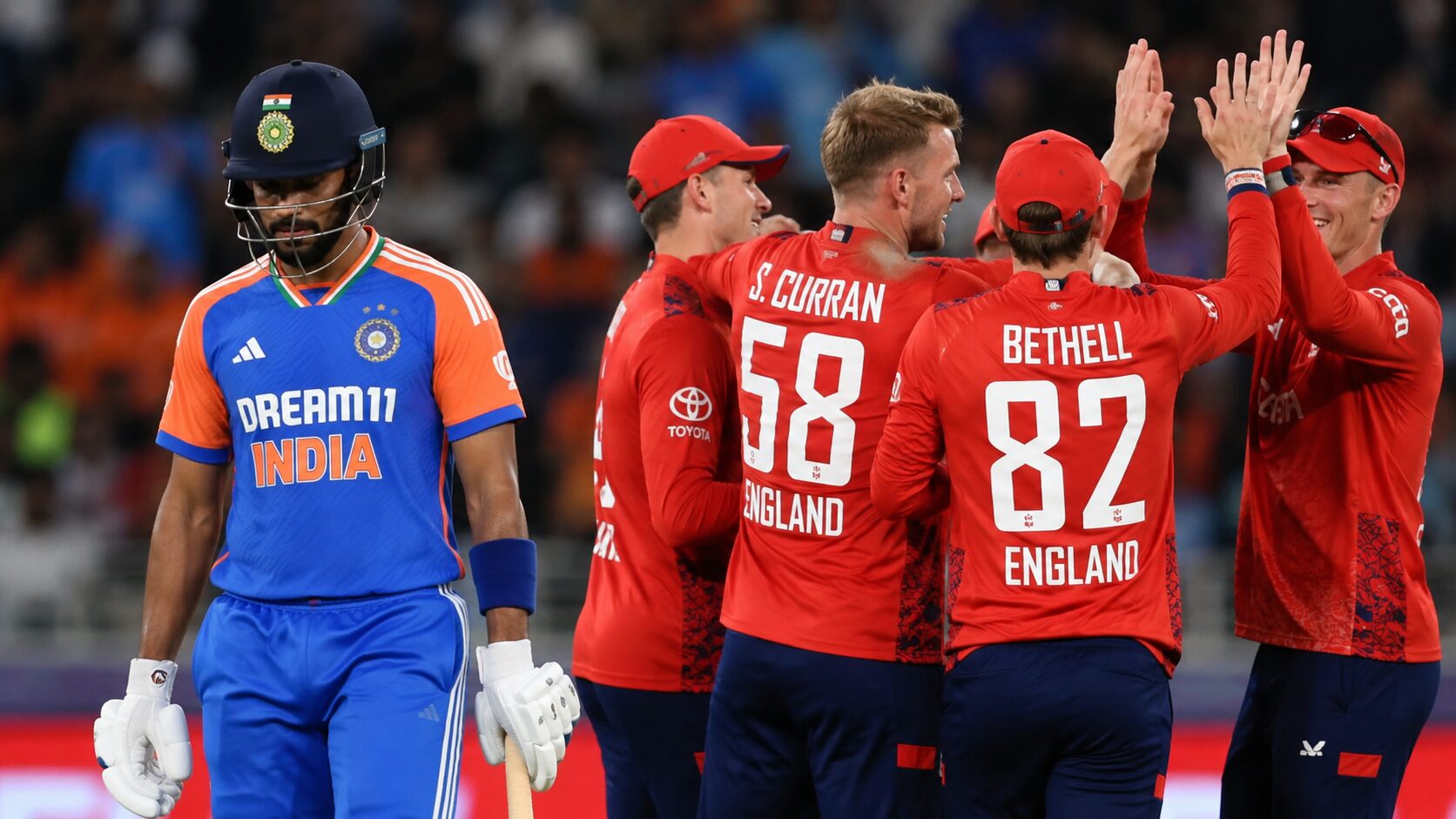
India Batting Under Scrutiny After Consecutive T20 Series Defeats: India’s T20 batting lineup, once regarded as one of the most dangerous in world cricket, is now facing growing criticism after consecutive series defeats against England and Ireland. The reigning T20 world champions struggled to produce consistent performances, suffering a 4-0 series loss to England after previously being swept 2-0 by Ireland. The disappointing results have sparked debate among former cricketers, analysts, and fans about whether India’s aggressive batting approach is beginning to show cracks.

With a three-match ODI series against England approaching, the spotlight is firmly on India’s batting unit. Experts believe the team has enough talent to recover, but only if it adapts better to overseas conditions and rediscovers the confidence that made it one of the world’s strongest white-ball sides.
Ireland vs India T20 Series And Expose India Batting Under Scrutiny

India entered both T20 series as one of the favorites but failed to deliver with the bat. England dominated throughout their home series, winning four matches while the opening game was washed out by rain. Earlier, Ireland completed a surprise clean sweep, highlighting that India’s struggles were not limited to one opponent.
Several batting collapses left India chasing the game, with the middle order unable to build meaningful partnerships. While the bowling unit showed flashes of quality, the lack of competitive totals consistently placed additional pressure on the attack.
India Batting Problems to Match Expectations

India’s batting has traditionally been its greatest strength. However, throughout the two series, the top and middle order struggled against disciplined bowling and changing conditions.
Some of the major issues included:
- Frequent top-order collapses.
- Difficulty rotating strike during the middle overs.
- Poor shot selection under pressure.
- Failure to build long partnerships.
- Lack of adaptability on pitches offering extra bounce.
Former India wicketkeeper Dinesh Karthik noted that the batting lineup appeared out of rhythm and struggled to adjust to conditions that offered more pace and bounce than they typically encounter.
Adapting to Overseas Conditions Remains a Challenge
English conditions have always tested visiting batters, but India’s recent performances suggested the team struggled to adjust quickly enough.
Captain Shreyas Iyer admitted that moving from one venue to another presented different challenges, including varying pitch behavior, boundary dimensions, and weather conditions. According to him, India could not adapt as effectively as required throughout the series.
Modern T20 cricket demands aggressive intent, but successful teams also know when to consolidate an innings. England consistently found that balance, while India often lost wickets attempting high-risk shots.
Experts Call for Better Game Awareness
Former captain Sunil Gavaskar believes batting remains India’s strongest department, making its recent failures even more concerning.
He emphasized that when the batting unit underperforms, the pressure inevitably transfers to the bowlers and fielders, affecting the team’s overall performance.
Commentator Harsha Bhogle also described the defeats as an opportunity for self-reflection. Rather than viewing the losses as isolated incidents, he suggested they should serve as an important lesson that could help India improve before future ICC tournaments.
Why England Outplayed India
England’s success was built on several key strengths:
Better Shot Selection
England’s batters attacked loose deliveries while respecting good bowling, reducing unnecessary risks.
Superior Adaptability
The home side adjusted quickly to pitch conditions and altered their approach depending on the situation.
Strong Partnerships
Instead of relying on individual brilliance, England consistently built partnerships that allowed them to post competitive totals.
Consistent Bowling Pressure
England’s bowlers rarely allowed India’s batters to settle, using variations effectively throughout the innings.
Areas India Must Improve
To regain their dominance, India must address several aspects of their batting strategy.
1. Improve Technique Against Bounce
Several dismissals came from mistimed pull shots and aggressive strokes against rising deliveries. Better preparation on faster wickets could reduce these mistakes.
2. Build Longer Partnerships
Modern T20 cricket rewards attacking play, but successful teams also value partnerships that stabilize innings after early wickets.
3. Rotate Strike More Effectively
Singles and doubles reduce pressure and force bowlers to change their plans. India’s batters relied too heavily on boundaries.
4. Show Greater Flexibility
Every venue presents unique challenges. Successful teams adapt quickly instead of sticking to one fixed batting style.
Positive Signs Despite the Defeats
Although the results were disappointing, there are reasons for optimism.
India still possesses one of the deepest talent pools in international cricket. The squad includes experienced players alongside exciting young batters capable of matching the world’s best when in form.
The recent defeats could also encourage team management to reassess combinations, batting order flexibility, and tactical planning before major tournaments.
Learning from setbacks has often been a hallmark of successful teams, and India has previously bounced back strongly after difficult overseas tours.
Focus Shifts to the ODI Series
Attention now turns to the upcoming ODI series against England.
The 50-over format offers India an opportunity to reset mentally and demonstrate that the T20 losses were temporary setbacks rather than signs of a larger decline. A strong showing would restore confidence and silence growing criticism surrounding the batting lineup.
Frequently Asked Questions
Why is India’s batting under scrutiny?
India suffered back-to-back T20 series defeats against Ireland and England, with the batting lineup failing to perform consistently.
What was India’s result against England?
England won the five-match T20 series 4-0 after the opening match ended without a result due to rain.
What concerns did experts highlight?
Experts pointed to India’s inability to adapt to bounce, inconsistent middle-order performances, and poor shot selection under pressure.
What did Shreyas Iyer say?
The India captain acknowledged that adapting to different venues and playing conditions proved challenging throughout the tour.
Can India recover before future tournaments?
Yes. India has a talented squad and sufficient time to make tactical adjustments, strengthen partnerships, and improve adaptability ahead of upcoming international competitions.
Conclusion
India’s consecutive T20 series defeats have exposed several batting concerns that demand immediate attention. While overseas conditions played a role, the inability to adapt, build partnerships, and maintain composure under pressure ultimately proved costly.
The upcoming ODI series presents an excellent opportunity for India to respond positively. If the team learns from these setbacks and refines its batting approach, it has every chance of returning to the dominant form that made it one of the world’s leading white-ball teams. For fans and analysts alike, the coming matches will reveal whether these defeats were merely a temporary setback—or the beginning of a broader rebuilding phase.
Read more cricket news and latest updates