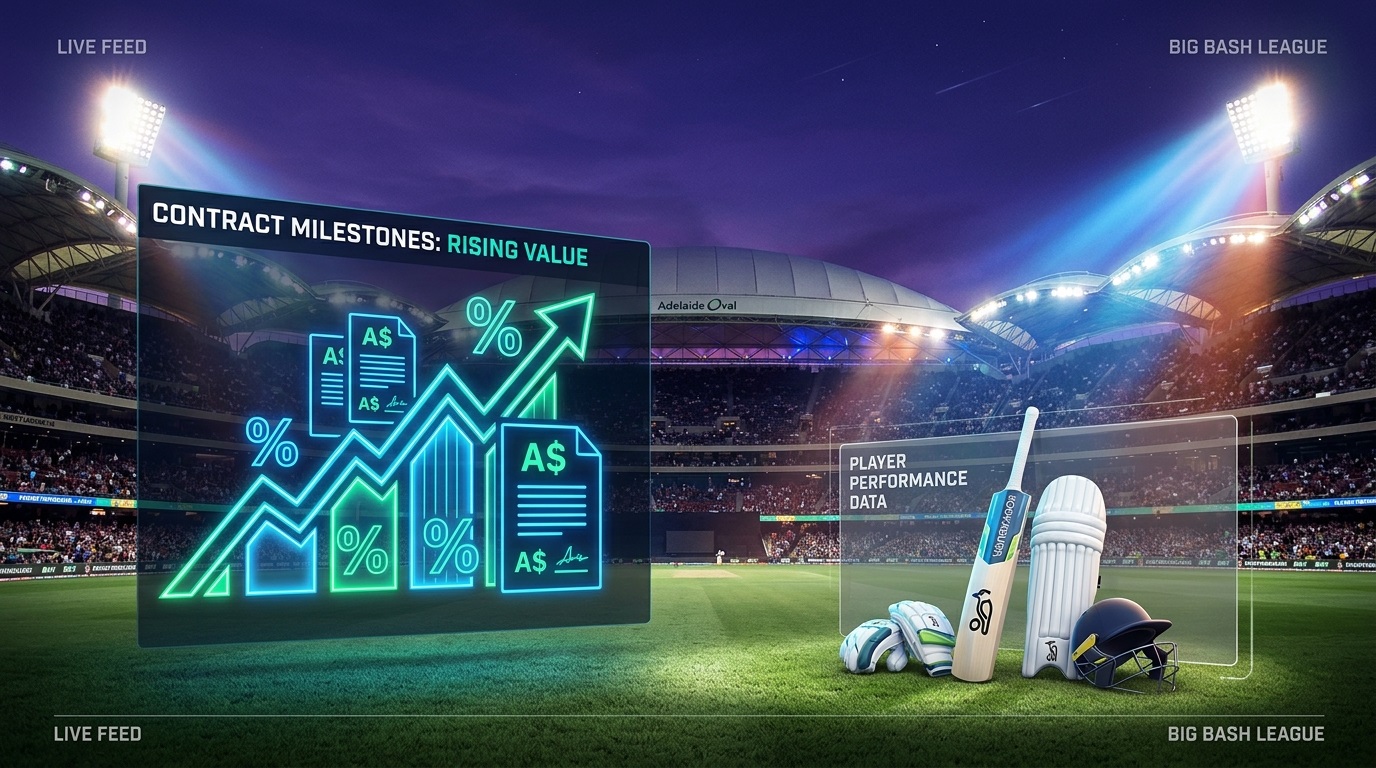
Cricket Australia (CA) and the Australian Cricketers’ Association (ACA) have officially altered the financial landscape of domestic T20 cricket. In a landmark decision that concludes months of intense negotiations, officials have dismantled the overseas player draft and relaxed rigid domestic marquee minimums.
This decisive BBL contracting rules overhaul restores direct free agency for international stars while shifting salary cap priority toward elite domestic talent. The immediately lifted contracting embargo enables all eight franchises to negotiate directly with high-profile global talent and premium local mainstays.
Why Cricket Australia Scrapped the Overseas Draft
Introduced to boost global visibility, the overseas player draft quickly created financial friction within team dressing rooms. Under the former structure, international marquee picks commanded minimum payouts of A$300,000 for Gold tier slots and up to A$420,000 for Platinum tier selections. Meanwhile, proven Australian domestic leaders often earned significantly lower compensation despite playing full-season roles.
Franchise roster managers faced mandatory spending commitments on short-stay overseas recruits. Many of these players departed early for competing T20 leagues, leaving franchises with uneven cost-to-performance ratios.
Key Takeaway: The removal of mandatory overseas draft tiers allows clubs to spend money based on actual availability and tactical necessity rather than artificial draft thresholds.
By replacing forced draft picks with open free-agency negotiations, franchises can now offer customized contract lengths, performance incentives, and targeted retainers to marquee names such as Ben Stokes, Finn Allen, and Jamie Overton.
The Financial Framework: BBL vs. WBBL Salary Structure
The reformed salary system provides immediate flexibility for list managers while introducing a two-stage rollout over the next two seasons. Below is a comprehensive breakdown of how salary caps, marquee minimums, and top-tier pay guarantees function under the updated guidelines.
| Feature / Metric | Legacy BBL Framework | Year 1 New BBL Framework | Year 2 New BBL Framework |
| Total Salary Cap | A$3.18 Million | A$3.18 Million | A$3.18 Million |
| Overseas Draft Requirement | Mandatory (Min 2 players) | Scrapped (Optional direct signing) | Scrapped (Optional direct signing) |
| Min. Marquee Players | 6 Players | 3 Players | 2 Players |
| Marquee Floor Salary | Variable Tiering | A$212,242 per player | A$212,242 per player |
| Top Earners Pool Allocation | Fixed Allocation | Top 6 must earn > A$1.7M | Top 4 must earn > A$1.4M |
Women’s Big Bash League (WBBL) Adjustments
The Women’s Big Bash League benefits from parallel deregulation. WBBL list managers are no longer bound by mandatory overseas quotas, allowing funds to flow toward core Australian talent and key international recruits.
- Total Cap: A$772,000 per club.
- Marquee Requirement: Reduced to 3 players in Year 1 (minimum floor of A$53,000 each), shifting to 2 players in Year 2.
- Top Earners Pool: Top 5 earners must collectively receive a minimum of A$439,000 in Year 1, transitioning to top 4 earning > A$400,000 in Year 2.
Strategic Implications for Key Australian and Overseas Stars
The immediate lifting of the contracting embargo opens lucrative doors for marquee free agents across both competitions. With rigid draft brackets gone, marquee Australian players can command contracts reflective of their market values.
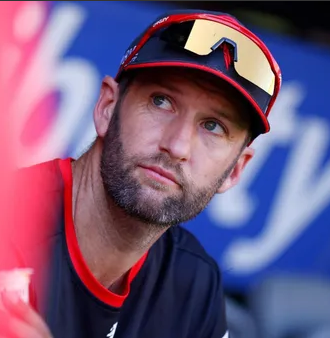
1. High-Profile Domestic Free Agents
- Adam Zampa: After parting ways with the Melbourne Renegades, the Australian leg-spinner enters open market negotiations as one of the most sought-after domestic assets.
- Josh Inglis: Out of contract with the Perth Scorchers, Inglis represents a premium wicketkeeper-batter option, though Test commitments may impact his availability window.
2. International Marquee Targets
Direct negotiation empowers franchises to structure deals tailored to player schedules. Top international stars, including Ben Stokes, Finn Allen, Tim Seifert, and Jamie Overton, can now negotiate directly for specific tournament windows rather than committing to rigid draft tiers.
Salary Cap Concessions and Strict Replacement Rules
To safeguard squad depth and compensate teams affected by inter-club transfers, Cricket Australia introduced targeted roster mechanisms:
The Transfer Concession Allowance
When a club loses a highly paid contracted player to a rival franchise through a trade or mutual release, CA will provide a salary cap concession of approximately A$52,000. To trigger this benefit, the player’s new contract with their receiving club must be valued at A$360,000 or higher.
Tightened Local Replacement Rules
To protect player pathways and prevent mid-season squad bloat, replacement regulations have been revised:
- Pre-Season Injuries: Contracted players ruled out prior to the tournament opening match can be replaced immediately.
- In-Season Replacements: Mid-tournament local replacements are now permitted only after a club loses three contracted players to injury or international duties.
- The Wicketkeeper Exception: If a squad loses both nominated squad wicketkeepers, an emergency specialist replacement can be signed immediately, regardless of total team injury tallies.
Frequently Asked Questions
Why did Cricket Australia remove the BBL overseas player draft?
Cricket Australia removed the overseas draft to provide franchises with maximum contracting flexibility. The draft created pay parity issues where lesser-known overseas recruits earned significantly more than leading domestic Australian stars. Direct negotiations allow clubs to spend efficiently based on player availability and tactical roster needs.
How does the BBL contracting rules overhaul impact player salaries?
The overhaul allows top domestic Australian players and elite international stars to negotiate higher paydays. By reducing the required marquee players from six to three, clubs can consolidate salary cap funds (A$3.18M total) to pay top earners significantly higher individual retainers.
Are BBL clubs still required to sign overseas players?
No, franchises are no longer required to sign any overseas players. While international stars will continue to play pivotal roles in the league, clubs have full discretion to fill their rosters entirely with domestic talent if they choose.
What are the new marquee player requirements for WBBL teams?
WBBL clubs must maintain a minimum of three marquee players in Year 1, with each earning at least A$53,000. In Year 2, the minimum marquee requirement drops to two players, while the top four earners must collectively receive over A$400,000 from the A$772,000 salary cap.
How does the new mid-season replacement player rule work?
During the season, a club can only sign a local replacement player after losing at least three contracted players to injuries or national duties. The only exception occurs if a club loses both of its nominated wicketkeepers, allowing an immediate specialist replacement.
Navigating the New Era of BBL Roster Construction
The BBL contracting rules overhaul represents a pivotal pivot point for Australian cricket. By eliminating forced overseas draft mechanics and empowering clubs to distribute salary cap funds dynamically, Cricket Australia has strengthened both domestic player value and franchise autonomy.
Key Takeaways for League Followers and Analysts
- Direct Free Agency Returns: Open market negotiations replace rigid draft tiers, allowing tailored contracts for global and local stars.
- Domestic Player Compensation: Top Australian players stand to capture a larger percentage of total franchise salary caps.
- Staggered Multi-Year Transition: Marquee floors decrease from three players in Year 1 to two players in Year 2, maximizing long-term financial adaptability.
- Controlled Replacement Regulations: Mid-season roster additions require strict three-player injury thresholds, barring emergency wicketkeeper scenarios.
As the contracting embargo lifts, franchise list managers face an immediate strategic challenge: balance high-priced marquee acquisitions with resilient squad depth to contend for upcoming Big Bash titles.
Read more sports news and latest updates
Read more cricket news and latest updates