Argentina vs Cape Verde:
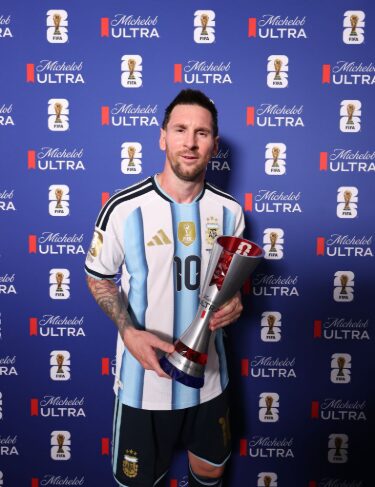
Lionel Messi has been in blistering form during the 2026 tournament
Knockout football at the international level rarely respects reputations, and the defending world champions learned that lesson the hard way in Florida. Under the oppressive evening heat of Miami, a resilient Argentina squad scraped past a relentless Cape Verde side in an extra-time classic. What was billed on paper as a routine progression for the soccer heavyweights transformed into a 120-minute test of pure survival, highlighting both the magical predictability of Lionel Messi and the tactical vulnerabilities of a team trying to defend its global throne.
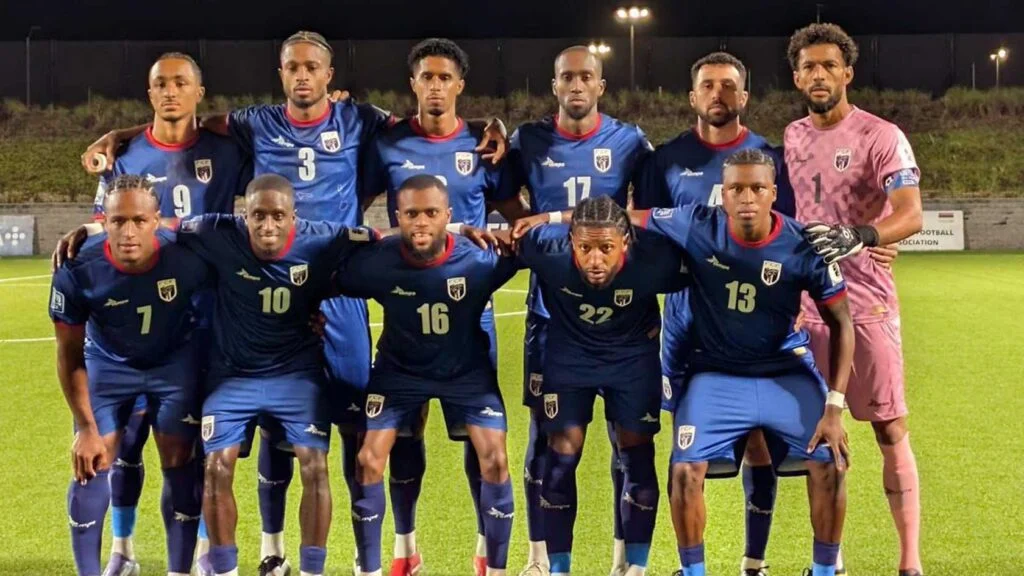
For Cape Verde, their historic campaign came to an agonizing end, but not before they pushed the reigning world champions to the absolute brink.
For Argentina, the victory secure passage to the Round of 16, yet it leaves manager Lionel Scaloni with plenty of homework ahead of their next challenge. Let’s break down exactly how this dramatic encounter unfolded, look at the key tactical choices, examine the record-breaking milestones, and analyze what this means for the remainder of the tournament.
The Backdrop: A Milestone Night Under Intense Pressure
The match at Miami Stadium carried immense historical weight before a ball was even kicked. It marked Lionel Scaloni’s 100th international match in charge of the Argentine national team—a legendary tenure defined by a Copa América trophy, a Finalissima victory, and the iconic world’s championship 2022. Yet, instead of an easy celebratory night, Scaloni spent the match pacing his technical area with a furrowed brow, wiping away sweat in the sapping South Florida humidity.
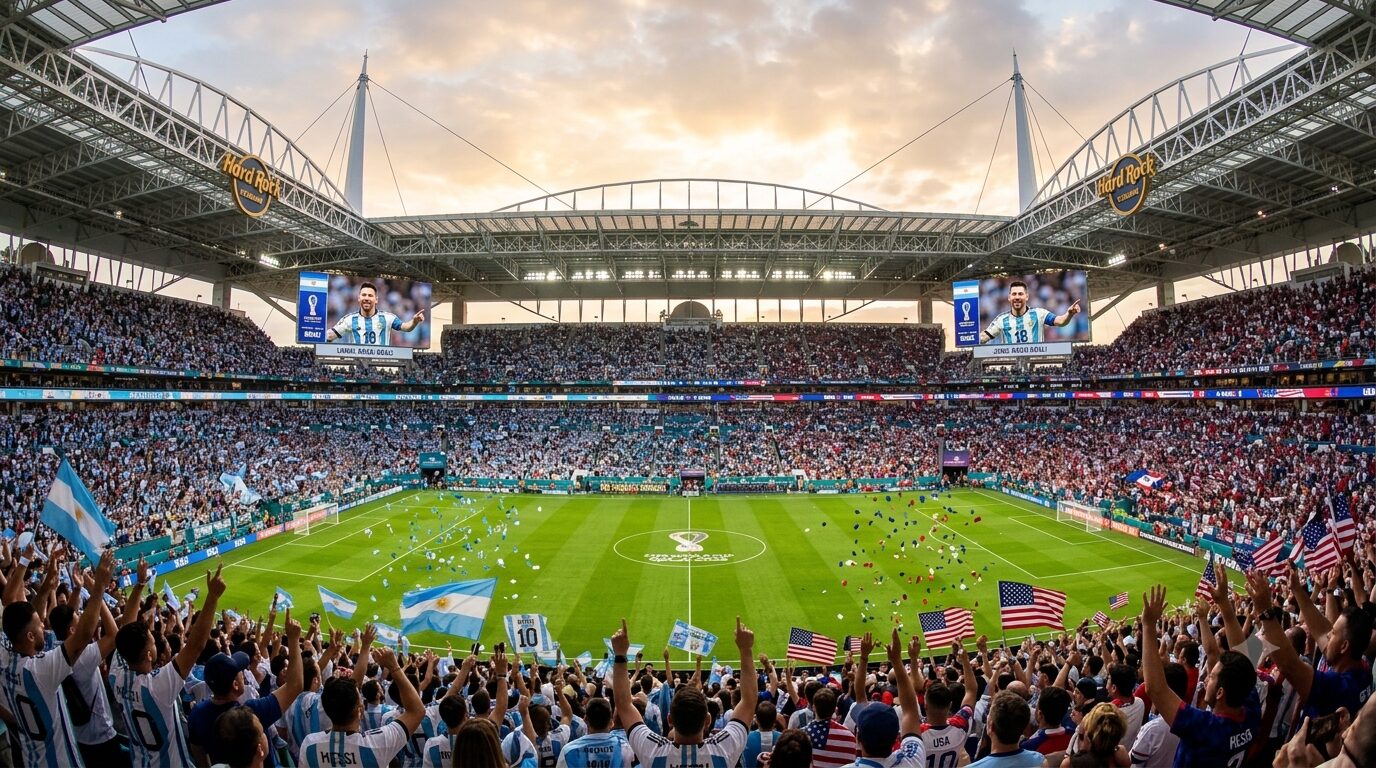
The atmosphere inside the stadium felt more like Buenos Aires than Miami. Over 65,000 fans packed the stands, creating a vibrant sea of sky blue and white shirts. The local crowd greeted Messi’s every touch with deafening roars, treating the local Inter Miami superstar like a returning deity. However, Cape Verde’s manager, Bubista, had made it clear before the game that his squad viewed this monumental clash as “the game of their lives.” The tiny island nation had already defied all expectations by holding European champions Spain, Uruguay, and Saudi Arabia to draws in an incredibly tough Group H. They entered the Round of 32 with absolutely nothing to lose and a blueprint for causing maximum disruption.
Match Breakdown: A Five-Goal Thriller in Miami
First-Half Magic: Messi Breaks the Ice
Argentina started the game eager to establish their signature possession rhythm, moving the ball horizontally to stretch Cape Verde’s compact 4-5-1 defensive block. The breakthrough arrived courtesy of a sublime connection between Manchester United’s Lisandro Martínez and Lionel Messi.
Martínez drove forward from his central defensive position and delivered a crisp, line-breaking pass directly into the path of Messi. The 39-year-old icon showcased his timeless quality, collecting the ball with a feather-like first touch that completely took two defenders out of the play. Without breaking stride, Messi unleashed a delicate, lofted finish over the oncoming Cape Verde goalkeeper, Vozinha, to open the scoring.
The goal sent the stadium into raptures and secured several milestones:
- It marked Messi’s 20th career World Cup goal.
- It was his 7th goal in just four matches during this tournament.
- He extended his unique record of scoring in eight consecutive World Cup games.
- The strike gave him a temporary two-goal advantage over France’s Kylian Mbappé in the race for the tournament’s top scorer.
The Second-Half Twist: The Blue Sharks Strike Back
While many expected Argentina to cruise after taking the lead, Cape Verde looked rejuvenated after the halftime break. Adjusting their tactical shape to press higher up the pitch, they began forcing uncharacteristic turnovers from the Argentine midfield.
In the 60th minute, the unexpected happened. Cape Verde’s talismanic winger, Ryan Mendes, found space on the right flank and picked out Deroy Duarte with a perfectly weighted low cross. Duarte timed his run beautifully, striking a crisp, low drive past a diving Emiliano “Dibu” Martínez into the bottom corner.
Suddenly, the score was level at 1-1, and the defending champions looked genuinely rattled. Argentina pushed hard for a late winner in normal time, but they met an inspired Vozinha. The 40-year-old Cape Verde goalkeeper, who had already built a massive internet following after his heroic performance against Spain, won a dramatic one-on-one duel against Messi to deny the Argentine captain a certain second goal. Minutes later, Irish-born defender Pico Lopes made a spectacular sliding intervention to stop Enzo Fernández from scoring a tap-in, sending the match into a grueling extra-time period.
Regular Time Statistics:
- Possession: Argentina 64% | Cape Verde 36%
- Shots on Target: Argentina 7 | Cape Verde 3
- Scoreline: 1 - 1 (Proceeded to Extra-Time)
Extra-Time Drama: Blow for Blow
The physical toll of the intense Miami heat became glaringly obvious as extra time got underway, forcing both managers to rely on deep squad depth and pure grit. Argentina struck first, finding a breakthrough just two minutes into the first period of extra time. Following a corner kick that wasn’t properly cleared by the Cape Verde defense, the ball fell kindly to Lisandro Martínez, who hammered a rising half-volley into the roof of the net to put Argentina back in front 2-2.
Yet again, the Blue Sharks flatly refused to back down. In the second half of extra time, they produced a true highlight-reel moment. Left-back Sidny Lopes Cabral drove forward with the ball, cut inside onto his stronger foot, and unleashed a ferocious strike from distance that rocketed directly into the top-right corner of the net. It was easily one of the most spectacular goals of the tournament, leaving Dibu Martínez completely stranded and leveling the score at 2-2.
The Decisive Moment: Heartbreak for Cape Verde
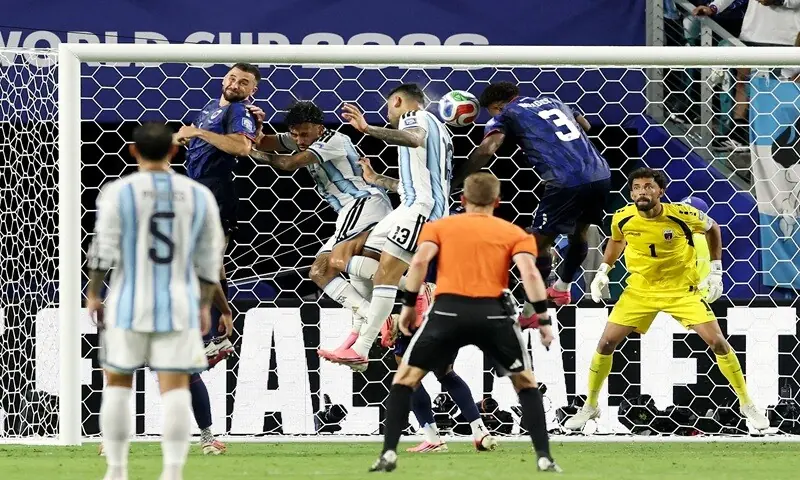
With a high-stakes penalty shootout looming, Argentina’s set-piece quality finally broke the deadlock for good. Messi stepped up to deliver an in-swinging corner kick deep into the Cape Verde penalty box. Argentine center-back Cristian Romero leaped highest to meet the cross, directing a powerful header toward goal. The ball took a wicked deflection off Cape Verde defender Diney Borges, completely wrong-footing Vozinha as it rolled over the goal line.
Match Timeline & Goals:
[11'] Argentina Goal: Lionel Messi (Assisted by Lisandro Martínez) — 1-0
[60'] Cape Verde Goal: Deroy Duarte (Assisted by Ryan Mendes) — 1-1
[92'] Argentina Goal: Lisandro Martínez — 2-1
[104'] Cape Verde Goal: Sidny Lopes Cabral — 2-2
[113'] Argentina Goal: Own Goal by Diney Borges (Deflected from Cristian Romero's header) — 3-2
Even after falling behind 3-2, Cape Verde refused to surrender, mounting a furious final assault in the closing seconds of the game. Lopes Cabral very nearly scored his second equalizer of the night with another spectacular long-range blast, but a spectacular, fingertip save from Dibu Martínez flipped the ball safely over the crossbar to preserve Argentina’s hard-fought victory.
Tactical Analysis: Strengths and Vulnerabilities
Where Argentina Struggled
Scaloni’s 100th game highlighted several tactical concerns that elite opponents will look to exploit later in the tournament. Argentina’s defensive transition looked uncharacteristically sluggish, especially when tracking back against Cape Verde’s direct, overlapping wing-backs. The space left behind by Argentina’s attacking full-backs gave Ryan Mendes and Sidny Lopes Cabral ample room to dictate play on the counter.
Furthermore, the central midfield trio struggled to control the tempo of the game once Cape Verde increased their physical intensity in the second half. The sapping humidity clearly drained Argentina’s energy reserves, raising questions about whether the squad can maintain its high-press style as the tournament advances.
Cape Verde’s Brilliant Game Plan
Coach Bubista deserves immense praise for his tactical setup. Realizing that trying to match Argentina’s technical skill head-on would be a mistake, he implemented a highly effective mid-block system designed to choke the half-spaces where Messi and Enzo Fernández typically thrive. By keeping their defensive lines incredibly tight, Cape Verde successfully forced Argentina wide, making them rely on crosses rather than their preferred intricate passing combinations through the center of the pitch.
Looking Ahead: The Round of 16 Clash Against Egypt
With this exhausting victory behind them, Argentina will travel to Atlanta to face Egypt on Tuesday. While a matchup against Egypt appears favorable on paper for the reigning world champions, this close call against Cape Verde serves as a stark warning that no knockout game can be taken for granted.
Egypt brings a highly disciplined defensive setup and a lethal counter-attacking threat that could pose serious problems if Argentina leaves similar gaps at the back. Scaloni will likely consider rotating some of his tired players to inject fresh energy into the side and ensure his squad is fully prepared for another high-intensity tactical battle.
Frequently Asked Questions
How many World Cup goals has Lionel Messi scored?
Following his opening goal against Cape Verde, Lionel Messi has scored 20 career World Cup goals, further cementing his legacy as one of the greatest players in football history.
Who will Argentina play next in the 2026 World Cup?
Argentina will face Egypt in the Round of 16. The high-stakes knockout match is scheduled to take place on Tuesday in Atlanta.
How many matches has Lionel Scaloni managed for Argentina?
The thrilling match against Cape Verde marked Lionel Scaloni’s 100th international fixture as the manager of Argentina, celebrating an incredibly successful tenure that began back in 2018.
What stadium hosted the Argentina vs Cape Verde match?
The Round of 32 clash was held at Miami Stadium in Miami, Florida, drawing a passionate crowd of over 65,000 fans.
Has Cape Verde ever qualified for the FIFA World Cup before?
No, the 2026 tournament marks Cape Verde’s first-ever appearance at a FIFA World Cup, making their spectacular run to the knockout stages a genuine historic fairytale.
Who scored the winning goal for Argentina against Cape Verde?
The decisive match-winner was officially recorded as an own goal by Cape Verde’s Diney Borges, which occurred after Argentine defender Cristian Romero’s powerful header took a heavy deflection off him following a Messi corner.
Conclusion
Argentina’s dramatic 3-2 extra-time victory over Cape Verde will go down as an absolute classic of the 2026 World Cup. It showcased the thin margins of error that define knockout football on the world stage. While the Blue Sharks won the hearts of neutral fans worldwide with their fearless, never-say-die performance, the defending champions proved they have the elite resilience required to grind out a victory even when they aren’t playing at their absolute best. As the Albiceleste march onward to Atlanta to face Egypt, they will need to quickly tighten up their defensive transitions and adapt to the rising pressure of the tournament if they hope to lift the iconic trophy once again.
What do you think was the turning point in Argentina’s thrilling extra-time victory? Do you think their defensive vulnerabilities against Cape Verde will cost them in the next round against Egypt? Let us know your thoughts and tactical predictions in the comments section below, and be sure to share this breakdown with your fellow football fans!
Read more football news and latest updates