


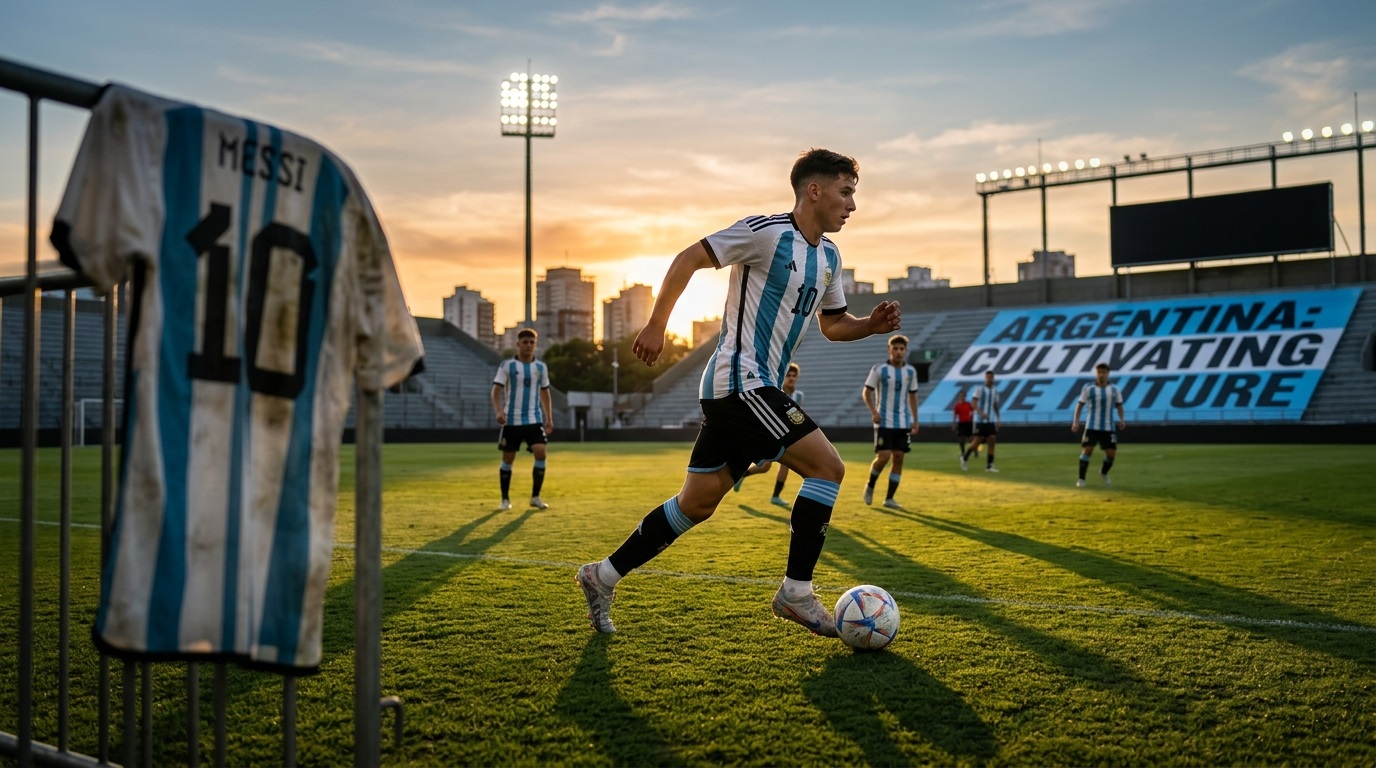
Argentina National Team Rebuild: Lionel Messi vacated the legendary number 10 jersey after 21 extraordinary years carrying his nation’s footballing identity. The end of this historic era presents an immediate structural challenge: executing a full Argentina national team rebuild while maintaining elite competitive standards. Navigating a major squad transition demands clear vision, long-term planning, and swift adaptation across every level of the international football setup.
Winning three major trophies—including the 2022 World Cup—helped establish a golden era defined by tactical flexibility and individual brilliance. However, remaining at the top of world football requires continuous structural renewal. Rebuilding the squad means replacing iconic veterans, updating tactical schemes, and giving emerging young talents clear operational roles.
Understanding how the Argentina national team rebuild will unfold requires analyzing seven core strategic factors that define this crucial transitional period.
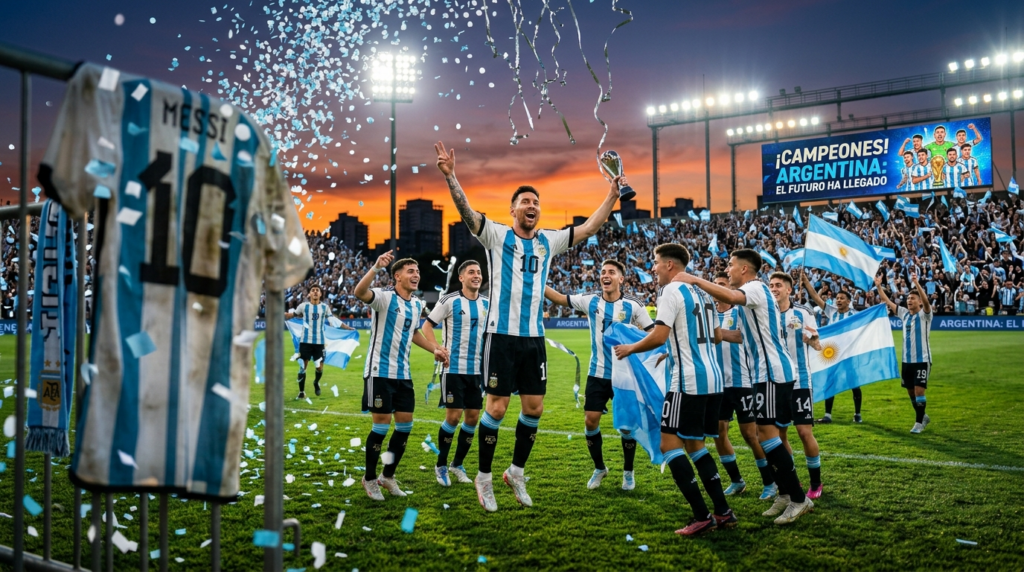
1. Tactical Evolution: Moving Beyond the Messi-Centric System
For over fifteen years, Argentina’s tactical setup evolved specifically to maximize Lionel Messi’s creative vision and spatial freedom. Under Lionel Scaloni, “Scaloneta 1.0” utilized disciplined mid-blocks and asymmetrical possession structures designed to create space for Messi between opponent lines.
Without an individual playmaker attracting double coverage, the Argentina national team rebuild demands a shift toward a collective pressing model. Replacing individual genius with coordinated team movements allows the squad to maintain offensive pressure while securing defensive stability.
Key Tactical Adjustment: The primary tactical focus shifts from isolating a single playmaker to building high-volume overloads in wide channels, sustained counter-pressing, and rapid vertical transitions.
- Higher Defensive Line: Compressing central zones by pushing line heights up by 10 to 15 meters during possession phases.
- Rotational Width: Utilizing fluid overlapping runs from full-backs rather than depending on inverted playmakers.
- Dynamic Rest Defense: Ensuring central midfielders cover transition zones quickly during opponent counter-attacks.
2. Managing Managerial Stability with Lionel Scaloni
A successful Argentina national team rebuild relies heavily on managerial continuity and clear direction from the coaching staff. Lionel Scaloni transformed the national squad into a disciplined, cohesive unit after taking charge in 2018.
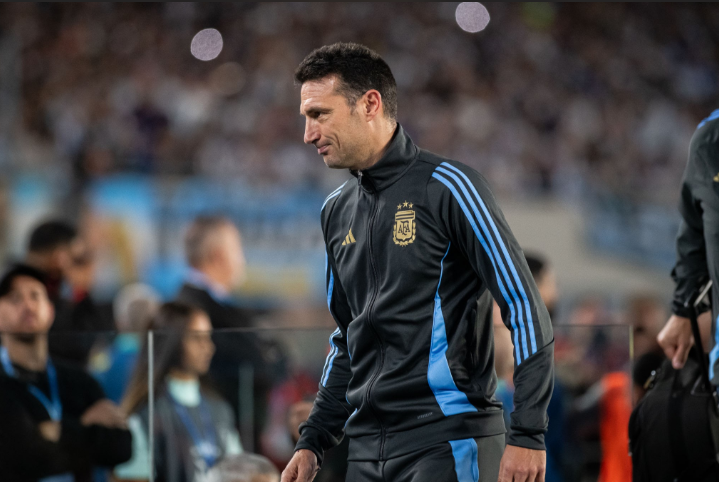
Maintaining momentum requires clear strategic management as key figures step aside. Scaloni’s proven ability to adjust tactics mid-game and integrate young players will decide how smooth this transition turns out to be.
[ Scaloni Era Milestones ]
├── 2021: Copa América Champion (Ended 28-year trophy drought)
├── 2022: FIFA World Cup Victory (Qatar)
└── Post-Messi Era: Transition to a high-tempo pressing structure
3. The Roster Transition Matrix: Managing Squad Succession
A central priority during the Argentina national team rebuild is managing the squad’s overall age profile. Relying heavily on aging veterans risks reducing physical intensity, whereas changing too many players at once risks losing organizational memory and composure.
| Position | Departing/Aging Veterans | Established Core Anchors | Emerging Youth Successors |
| Goalkeeper | Emiliano Martínez (34+) | Juan Musso | Leandro Brey |
| Central Defense | Nicolás Otamendi (Retired) | Cristian Romero, Lisandro Martínez | Aaron Anselmino, Valentin Gómez |
| Central Midfield | Leandro Paredes (Transition) | Enzo Fernández, Alexis Mac Allister | Nico Paz, Máximo Perrone |
| Attacking Wings | Lionel Messi (Retired) | Nicolás González | Franco Mastantuono, Gianluca Prestianni |
| Striker | Ángel Di María (Retired) | Lautaro Martínez, Julián Álvarez | Giuliano Simeone, Alejo Véliz |
4. Restructuring Midfield Control and Distribution
Midfield dominance remains vital throughout the Argentina national team rebuild. The established pairing of Enzo Fernández and Alexis Mac Allister provides technical quality, tactical intelligence, and international experience.
                  [ Defensive Line ]
                          │
                  ┌───────┴───────┐
                  │ Enzo Fernández│ (Deep-Lying Playmaker)
                  └───────┬───────┘
                          │
          ┌───────────────┴───────────────┐
          │                               │
┌─────────┴──────────┐          ┌─────────┴──────────┐
│ Alexis Mac Allister│          │     Nico Paz       │
│ (Box-to-Box Link)  │          │ (Advanced Creator) │
└────────────────────┘          └────────────────────┘
Integrating energetic young midfielders allows Argentina to control tempo while offering strong defensive coverage. Combining physical work rate with crisp distribution keeps the team competitive across high-intensity fixtures.
- Enzo Fernández: Directs build-up play from deep positions, connecting defense to attack efficiently.
- Alexis Mac Allister: Drives forward in central spaces, breaking opponent lines with off-ball movement.
- Nico Paz: Supplies ball-carrying ability, sharp vision, and long-range shooting threats.

5. Primary Attacking Leadership: Expanding Roles for Álvarez and Martínez
In the post-Messi era, scoring responsibilities fall directly on Julián Álvarez and Lautaro Martínez. The Argentina national team rebuild centers on turning both center-forwards into high-volume attacking leaders.
Key Striker Profiles
- Julián Álvarez: Offers relentless pressing, clever spatial movement, and dynamic runs into wide channels. Moving into a primary focal role lets him exploit spaces behind defensive lines effectively.
- Lautaro Martínez: Brings clinical finishing, strong interior hold-up play, and natural leadership. Serving as captain at club level brings invaluable experience to the frontline.
Tactical Solution: Deploying Álvarez and Martínez together in a fluid two-striker formation helps offset lost playmaking output, keeping opposing center-backs under constant physical and tactical pressure.
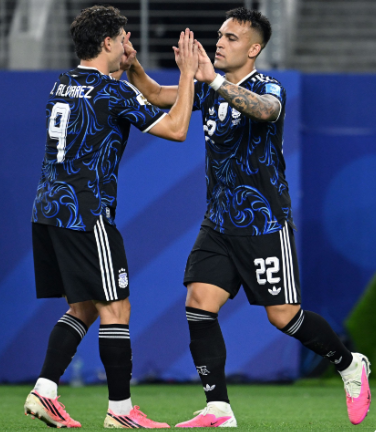
6. Scouting Argentina’s Emerging Youth Pipeline
A sustainable Argentina national team rebuild requires successfully integrating talent from top domestic academies and European clubs. Scouting reports highlight several key prospects prepared for increased international minutes:
- Franco Mastantuono: A gifted left-footed playmaker capable of unbalancing defenses with sharp dribbling and incisive passing.
- Nico Paz: A versatile midfielder who excels at driving through central channels under heavy defensive pressure.
- Giuliano Simeone: A high-energy winger who brings intense defensive tracking, speed, and direct wing play.
7. Defensive Modernization: Recovery Speed and Physical Control
Modern international football demands quick central defenders capable of operating effectively in high-line systems. While Cristian Romero and Lisandro Martínez establish a elite pairing, expanding defensive depth remains critical during an Argentina national team rebuild.
Building a resilient defensive unit requires pairing athletic recovery with technical discipline:
- High Recovery Speed: Central defenders must cover deep spaces efficiently when opponents launch quick counter-attacks.
- Aerial Dominance: Winning aerial duels during set-piece situations helps protect against physically aggressive opponents.
- Composure Under Pressure: Defending comfortably in 1v1 scenarios allows full-backs to join attacking moves freely.
Frequently Asked Questions
How does Lionel Messi’s retirement impact the Argentina national team rebuild?
Lionel Messi’s retirement shifts Argentina from a system centered on individual playmaking to a high-tempo, collective pressing approach. The team now relies on balanced squad depth, dynamic midfield movement, and shared offensive responsibilities across the entire starting eleven.
Who will replace Lionel Messi as Argentina’s main playmaker?
No single player directly replaces Messi’s unique skillset. Instead, young playmakers like Franco Mastantuono and Nico Paz share creative duties alongside established central midfielders Enzo Fernández and Alexis Mac Allister.
Is Lionel Scaloni staying to guide the Argentina national team rebuild?
Lionel Scaloni remains key to managing squad updates and maintaining competitive consistency. His leadership is vital for integrating emerging youth prospects while maintaining tactical stability across major international tournaments.
Which young players are crucial to the Argentina national team rebuild?
Key prospects include Franco Mastantuono, Nico Paz, Giuliano Simeone, Aaron Anselmino, and Valentin Gómez. These players provide the athletic work rate, technical quality, and tactical flexibility required for top-level international football.
Can Julián Álvarez and Lautaro Martínez play together effectively?
Yes, deploying Álvarez and Martínez together in a fluid two-striker formation creates consistent attacking pressure. Álvarez provides tireless pressing and channel runs, while Martínez offers clinical finishing and interior hold-up play.
Executing a successful Argentina national team rebuild requires balancing tactical updates, strategic player rotation, and strong management. While replacing a generational icon like Lionel Messi presents a challenge, establishing a cohesive tactical structure ensures Argentina remains a dominant force on the global stage.
By developing dynamic youth prospects, updating defensive line mechanics, and utilizing fluid attacking partnerships like Álvarez and Martínez, the national team can build a bright future while maintaining its winning standard.
To stay informed on international football developments, squad depth changes, and match analysis, follow our sports coverage and subscribe to our sports newsletter for deep analytical insights.
Read more football news and latest updates

Leave a Reply