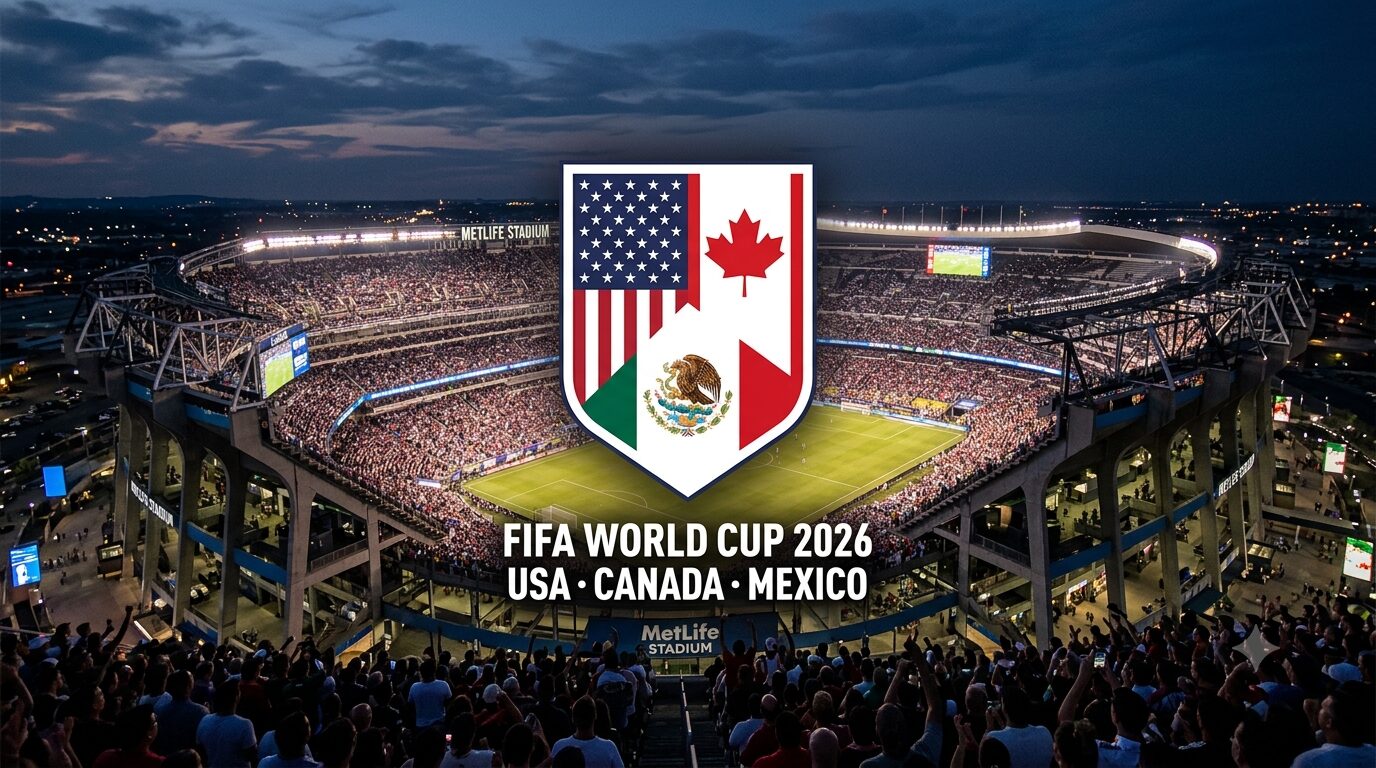
2026 FIFA World Cup Schedule: Match Dates, Kickoff Times & VenuesThe global football landscape is witnessing its most monumental transformation yet. The 2026 FIFA World Cup marks a historic paradigm shift, expanding into a massive 48-team tournament hosted jointly across three nations: the United States, Mexico, and Canada. With an unprecedented 104 matches replacing the traditional 64-game structure, keeping track of every kickoff time, venue, and matchup is vital for fans across the globe.
Navigating this colossal tournament structure requires a clear layout of the multi-city pipeline. Whether you are charting the path of your favorite national team from the opening whistle in Mexico City to the ultimate final in East Rutherford, this comprehensive, fully updated guide covers everything you need to know about the tournament’s framework, chronological schedule phases, host stadiums, and knockout paths.
Tournament Evolution: Navigating the 48-Team Format
To appreciate the vastness of the 2026 schedule, one must understand how the structural changes impact the operational flow of the tournament. The tournament footprint is divided into specialized geographical regions to minimize extensive transcontinental flights during the initial phases.
Group Stage Mechanics
Instead of the previous eight groups of four teams, the expanded tournament features 12 groups of four teams. The qualification path to the knockout bracket has evolved significantly:
- The Top Two: The first and second-place finishers from all 12 groups advance directly.
- The Best Third: The eight best third-place teams across all groups earn a coveted spot in the knockout field.
- The Elimination: Only 16 teams are sent home at the conclusion of the group stage, leaving 32 teams to battle under single-elimination rules.
The Knockout Blueprint
Because the field yields 32 advancing teams rather than 16, FIFA has introduced a brand-new round: the Round of 32. This adds an entire layer of do-or-die drama to the calendar, extending the total tournament duration and increasing the physical demands on rosters, which can now tap into deeper individual player depth.
2026 World Cup Schedule: Key Chronological Phases
The multi-week festival of football progresses through distinct tournament blocks. Below is the overarching structural timeline of how the tournament plays out across the host cities.
1. The Group Stage Cluster (June 11 – June 27)
The tournament bursts into life simultaneously across North America. The action kicks off on June 11 at the iconic Mexico City Stadium (Estadio Azteca), where co-hosts Mexico opened their campaign against South Africa. The opening matchday block runs through June 17, giving way to consecutive matchday sequences where up to four matches are played per day to settle the 12 groups.
2. The Knockout Gauntlet (June 28 – July 15)
- Round of 32 (June 28 – July 3): 32 teams square off across the continent’s elite arenas, trimming the field by half over six intense days of play.
- Round of 16 (July 4 – July 7): Moving into the traditional holiday week in the United States, the final 16 teams face off to determine who books a ticket to the ultimate quarterfinal hubs.
- Quarterfinals (July 9 – July 11): The competitive tension reaches its peak as the remaining eight elite squads converge on specific primary venues, including Boston, Los Angeles, Miami, and Kansas City.
- Semifinals (July 14 – July 15): The two high-stakes matches that decide the finalists are held in major logistical epicenters: Dallas Stadium and Atlanta Stadium.
3. The Grand Finale Weekend (July 18 – July 19)
- Third-Place Playoff (July 18): Hosted at Miami Stadium, offering a bronze medal showcase for the semifinalists who fell just short.
- The World Cup Final (July 19): The tournament culminates at the New York New Jersey Stadium (MetLife Stadium) in East Rutherford, New Jersey, bringing a dramatic close to the expanded tournament in front of a global audience of billions.
Master Arena Catalog: The 16 Host Cities & Venues
Matches are distributed logically across three regional zones (West, Central, and East) to organize team bases and reduce radical time-zone hops.
United States Venues (78 Total Matches)
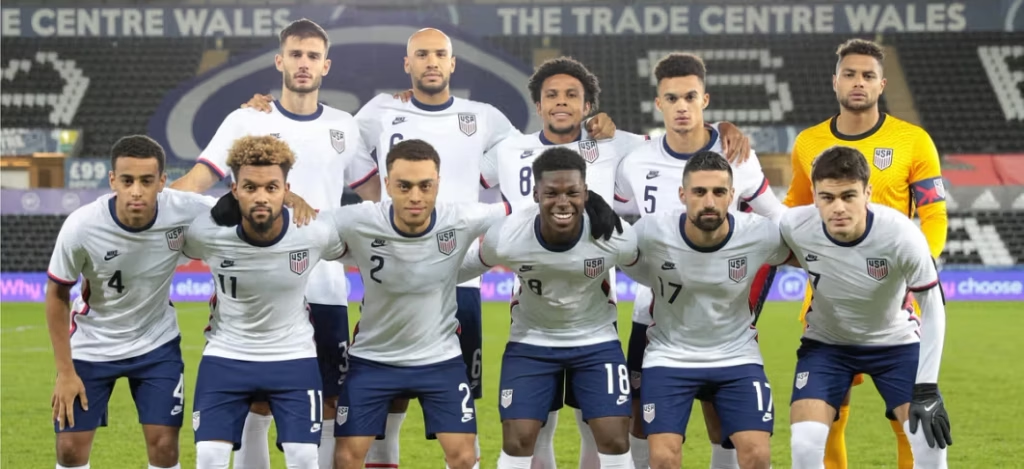
The United States serves as the primary operational backbone for the tournament, hosting all matches from the quarterfinals onward.
- New York New Jersey Stadium (MetLife Stadium – East Rutherford, NJ): The crown jewel venue selected to host the World Cup Final on July 19.
- Dallas Stadium (AT&T Stadium – Arlington, TX): Boasting massive seating capacity and advanced retractable roof technology, this hub hosts a semi-final and key knockout games.
- Atlanta Stadium (Mercedes-Benz Stadium – Atlanta, GA): Selected for the second crucial semifinal match due to its high capacity and hyper-modern infrastructure.
- Los Angeles Stadium (SoFi Stadium – Inglewood, CA): The cutting-edge West Coast centerpiece that hosted the USMNT’s highly anticipated opening fixture.
- Miami Stadium (Hard Rock Stadium – Miami Gardens, FL): Selected for multiple group stage games, knockout rounds, and the third-place match.
- Other Essential US Venues: Boston Stadium (Gillette Stadium), Seattle Stadium (Lumen Field), Houston Stadium (NRG Stadium), Philadelphia Stadium (Lincoln Financial Field), Kansas City Stadium (Arrowhead Stadium), and the San Francisco Bay Area Stadium (Levi’s Stadium).
Mexico Venues (13 Total Matches)
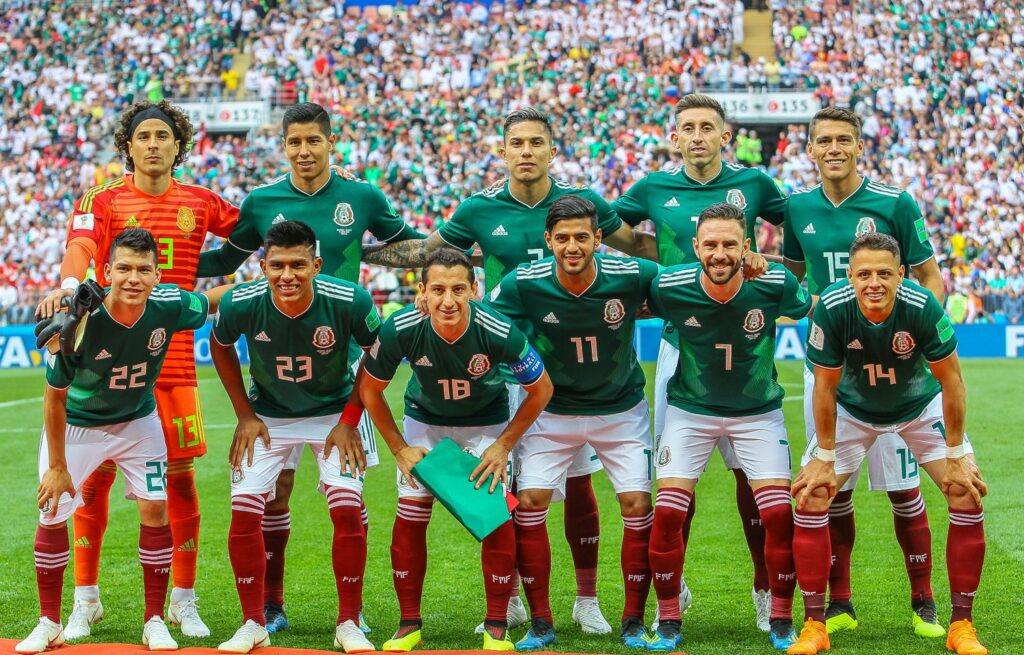
Mexico brings a deep footballing heritage to the tournament across three legendary stadiums:
- Mexico City Stadium (Estadio Azteca): The historic venue that hosted the opening ceremony and opening match on June 11.
- Estadio Guadalajara (Estadio Akron – Zapopan): A highly aesthetic, modern bowl hosting key group stage fixtures.
- Estadio Monterrey (Estadio BBVA – Guadalupe): Nestled against a dramatic mountain backdrop, this venue provides a spectacular setting for early matches.
Canada Venues (13 Total Matches)
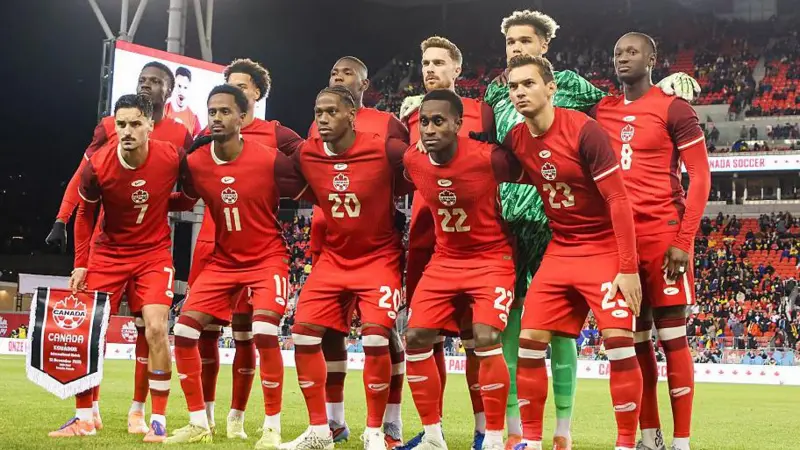
Canada acts as a critical co-hosting pillar, offering world-class facilities in two major metropolises:
- Toronto Stadium (BMO Field): Expanded to meet FIFA standards, this venue anchors eastern group fixtures.
- Vancouver Stadium (BC Place): Equipped with a retractable roof and iconic design, it anchors western group matches and early knockout drama.
Frequently Asked Questions
How many teams are playing in the 2026 FIFA World Cup?
The 2026 edition features 48 teams, an expansion from the 32-team format utilized from 1998 through 2022. This permits more nations from every global confederation to qualify.
Where and when is the 2026 World Cup Final?
The final is scheduled for Sunday, July 19, 2026, at the New York New Jersey Stadium (MetLife Stadium) in East Rutherford, New Jersey, kicking off at 3:00 PM local time (EDT).
How does the new group stage advancement work?
Teams are divided into 12 groups of four. The top two teams from each group, alongside the eight best third-place finishers across the entire tournament, advance to a new single-elimination Round of 32.
Are matches grouped geographically to prevent heavy travel?
Yes. FIFA structured the draw and the match schedule into regional clusters (West, Central, and East regions) to limit long-distance coast-to-coast flights for teams during the group stages.
How many total matches are played in this tournament?
Due to the expansion to 48 teams and the addition of the Round of 32 knockout layer, the total number of tournament matches has increased from 64 to 104.
The 2026 FIFA World Cup represents a monumental milestone in sporting history. With 104 matches spreading high-octane football across Canada, Mexico, and the United States, staying ahead of the scheduling pipeline ensures you will not miss a single moment of history. Bookmark this page as your ultimate tournament companion, clear your calendar for the spectacular knockout rounds ahead, and prepare to witness the coronation of a new world champion in New York New Jersey.
Stay tuned for live updates, group table fluctuations, and analytical breakdowns as the tournament progresses toward the grand finale.
Read more football news and latest updates