Spain vs Austria World Cup 2026:
The knockout stages of the 2026 FIFA World Cup deliver unique drama, high-stakes pressure, and tactical chess matches that define a nation’s footballing legacy. In the Round of 32, a fascinating European battle unfolded at the Los Angeles Stadium in Inglewood, California, as three-time European champions Spain squared off against an aggressive, well-drilled Austrian side.
With both teams eyeing a spot in the later rounds of this historic tournament, the match promised a contrast of styles: Spain’s progressive, possession-heavy dominance versus Austria’s high-pressing, intense transitional game. As the first 45 minutes concluded, Spain asserted their authority with a 1-0 halftime lead, leaving football enthusiasts and analysts dissecting a masterclass in modern tactical football.
The Road to the Round of 32: Context and Stakes
The expansion of the 2026 FIFA World Cup introduced the Round of 32, adding an extra layer of elimination jeopardy right out of the group stage. For Spain, the tournament represented a chance to reclaim global dominance under manager Luis de la Fuente. Having implemented a more direct and fluid style compared to the classic Tiki-Taka of the past, Spain entered the knockout phase as one of the tournament favorites.
Austria, guided by their strategic blueprint of collective pressing and rapid transitions, advanced from a highly competitive group stage. Known for their tactical discipline and physical endurance, the Austrian squad presented a significant hurdle for Spain’s fluid ball circulation. The encounter at Inglewood’s state-of-the-art arena became a true test of structural flexibility for both managers.
Tactical Formations and Key Lineup Adjustments
Both managers made deliberate, calculated adjustments to their starting elevens ahead of kickoff, reflecting the specific demands of a knockout match.

Spain’s Structural Changes
Luis de la Fuente reverted to a setup designed to unlock low defensive blocks while retaining maximum defensive security against counter-attacks. Spain rolled out a dynamic 4-3-3 formation with key personnel rotations:
- The Full-Back Rotation: Pedro Porro returned to the starting lineup at right-back, offering explosive overlapping runs and width, which forced Marcos Llorente to start from the bench.
- Midfield Redesign: Dani Olmo made his return to the attacking midfield role, replacing the more conservative Mikel Merino. This move injected verticality, creative passing lanes, and half-space exploitation alongside the brilliant Pedri and the anchoring presence of Rodri.
- The Front Three: With dynamic winger Nico Williams still sidelined due to a leg injury, Alex Baena and the teenage phenom Lamine Yamal flanked the experienced Mikel Oyarzabal, who spearheaded the attack.
Austria’s Strategic Counter-Measures
Austria countered with a compact, flexible system aiming to congest the central channels and force Spain wide. They implemented three major changes to their lineup, introducing Kevin Danso, the highly-rated youngster Paul Wanner, and physical forward Michael Gregoritsch to the starting squad, while veteran Marko Arnautovic remained on the bench as an impact substitute.
First Half Analysis: Spain’s Structural Dominance
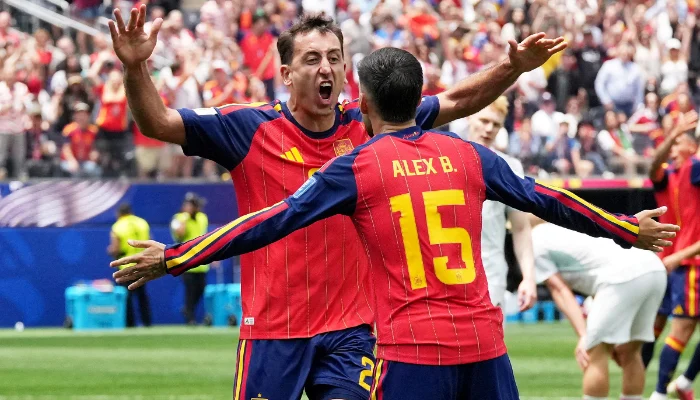
The opening 45 minutes saw Spain establish a clear territorial chokehold on the match. Dictating the tempo from the initial whistle, Luis de la Fuente’s men registered an impressive 64% of the ball possession.
Controlling the Rhythm via Rodri and Pedri
The midfield duo of Rodri and Pedri proved instrumental in bypassing Austria’s initial press. Rodri acted as the team’s operational anchor, consistently dropping between or just ahead of central defenders Aymeric Laporte and Pau Cubarsi. This positioning allowed full-backs Marc Cucurella and Pedro Porro to push high up the pitch, effectively pinning the Austrian wingers back into a defensive five-man backline.
Pedri and Dani Olmo occupied the spaces between Austria’s midfield and defensive lines. By constantly rotating positions and executing quick, one-touch passing sequences, they disrupted Austria’s defensive shape, making it incredibly difficult for Nicolas Seiwald and Xaver Schlager to track their movements.
Breaking the Deadlock: The 36th-Minute Breakthrough
Despite Spain’s territorial dominance, Austria’s defensive block stood firm for the opening half-hour. The breakthrough finally arrived in the 36th minute, originating from a textbook sequence of wing play and spatial overloading.
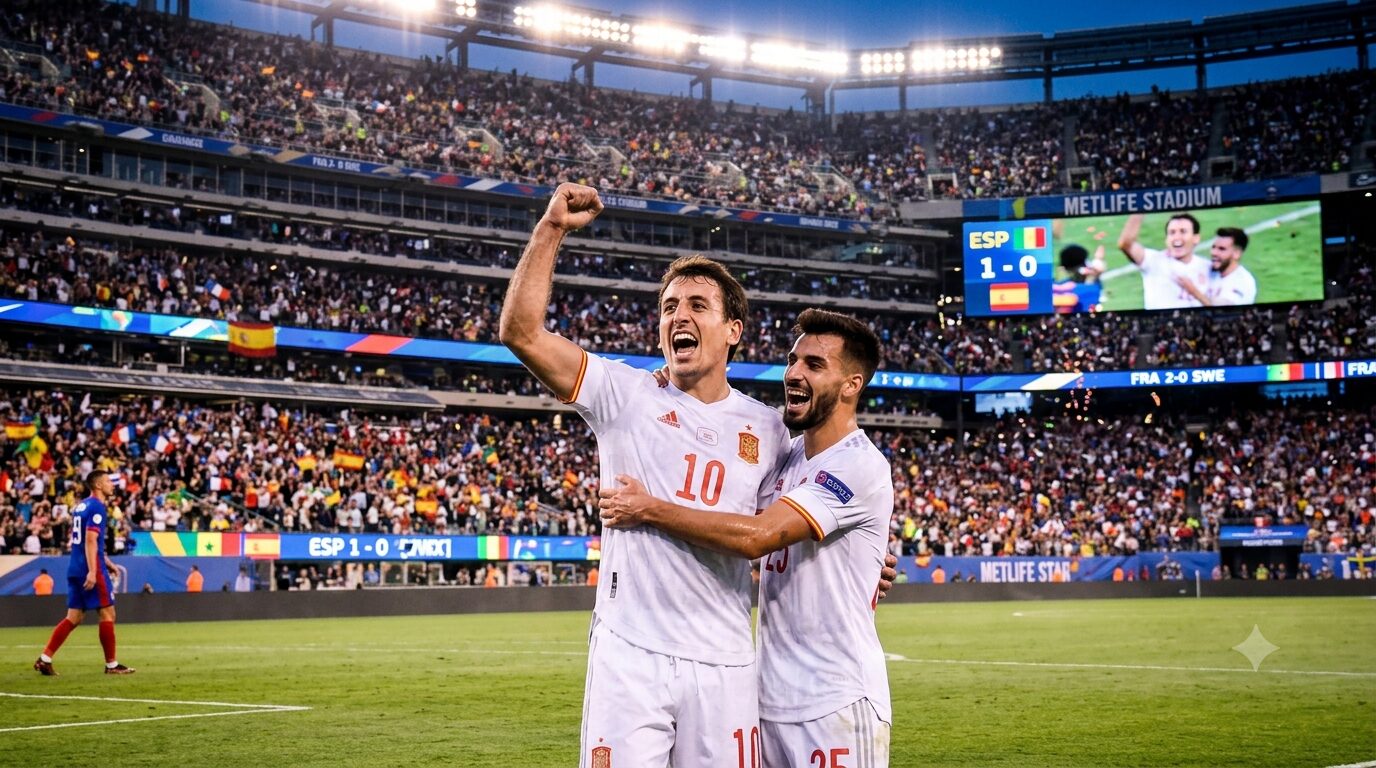
Left-back Marc Cucurella, exploiting space generated by Alex Baena’s inverted run, advanced deep into the final third. Cucurella delivered a pinpoint, low-driven cross flashing across the face of the six-yard box. Anticipating the trajectory perfectly, Mikel Oyarzabal made a sharp darting run ahead of his marker, Kevin Danso, and calmly slotted the ball past Austrian goalkeeper Alexander Schlager.
Stat Check: This crucial goal marked Mikel Oyarzabal’s third goal of the 2026 FIFA World Cup, underscoring his vital role as a clutch finisher for the national team.
Statistical Breakdown of the First Half
The statistical narrative of the first half clearly highlighted the tactical story on the pitch:
| Statistical Metric | Spain | Austria |
| Ball Possession | 64% | 36% |
| Total Shot Attempts | 11 | 2 |
| Shots on Target | 6 | 0 |
| Corner Kicks | 4 | 1 |
| Pass Accuracy | 89% | 76% |
Spain’s defensive structure, anchored by the teenage sensation Pau Cubarsi and the experienced Aymeric Laporte, limited Austria to just two speculative, off-target attempts. Unai Simon remained largely untested in the Spanish goal, thanks to the effective counter-pressing executed by Spain immediately after turning over possession.
Key Tactical Battles and Individual Performances
Lamine Yamal vs. David Alaba
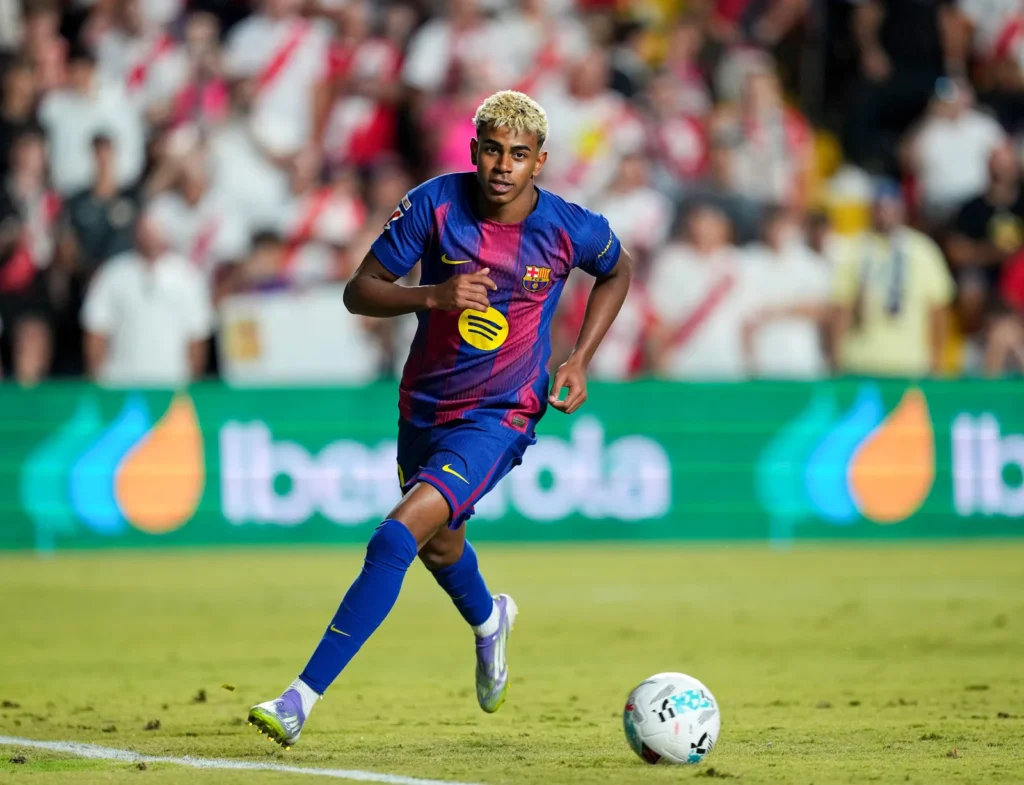
The battle on Spain’s right wing featured a fascinating clash of generations. The youthful exuberance and trickery of Lamine Yamal tested the veteran leadership and positioning of David Alaba. Yamal’s ability to isolate defenders in 1v1 situations forced Austria to constantly slide a secondary midfielder over for double-coverage, creating space for Dani Olmo to exploit centrally.
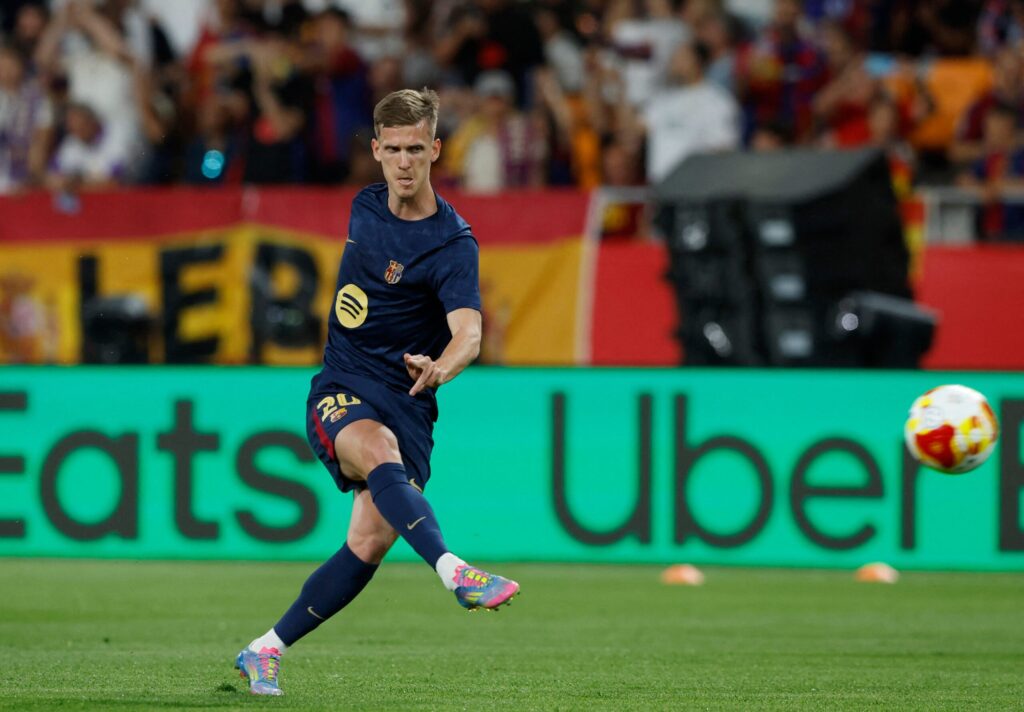
Marcel Sabitzer’s Transitional Challenge
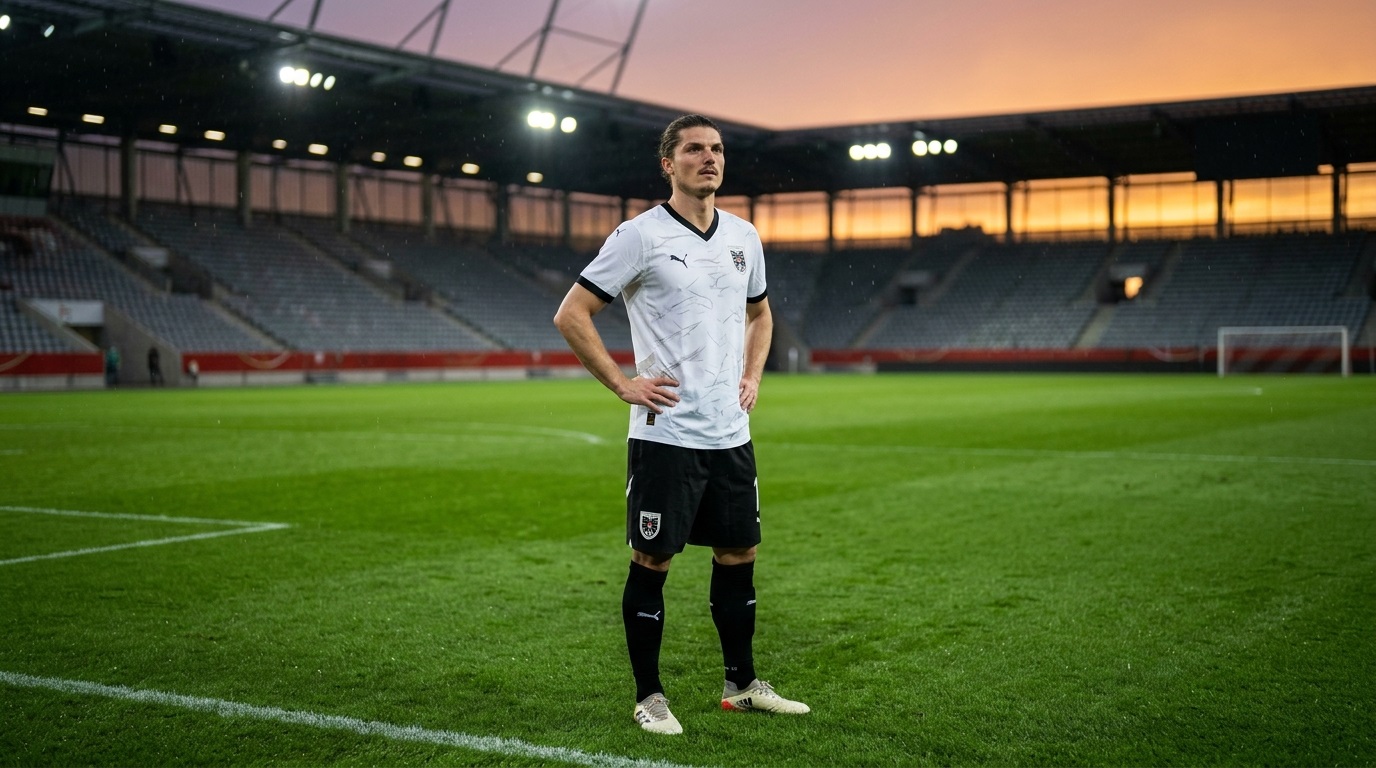
Marcel Sabitzer remained the focal point of Austria’s creative transition plans. However, with Rodri tightly monitoring his movements and restricting his time on the ball, Sabitzer struggled to find the progressive passing angles needed to release Michael Gregoritsch into open space.
Frequently Asked Questions
What was the score at halftime in the Spain vs Austria World Cup 2026 match?
Spain led Austria 1-0 at halftime during their Round of 32 matchup at the Los Angeles Stadium.
Who scored the opening goal for Spain?
Mikel Oyarzabal scored the opening goal in the 36th minute, converting a low cross from left-back Marc Cucurella.
Why did Nico Williams miss the match?
Nico Williams was left out of the starting lineup as he continued his recovery from a leg injury.
What were the key lineup changes made by Spain?
Luis de la Fuente brought Pedro Porro back at right-back and started Dani Olmo in the attacking midfield role, replacing Marcos Llorente and Mikel Merino respectively.
Where was the Round of 32 match played?
The match took place at the Los Angeles Stadium in Inglewood, California.
The first half of the Spain vs Austria Round of 32 clash provided a tactical exhibition of controlled possession and intelligent spacing by La Roja. By adjusting their midfield configuration and capitalizing on wide overloads, Spain successfully broken through a resilient Austrian defense while completely neutralizing their counter-attacking threat.
As the teams head into the second half, Austria faces a demanding task. To turn the tide, they must adjust their pressing triggers and take more risks in transition. For Spain, maintaining their technical precision and defensive concentration will be the key to securing their ticket to the Round of 16.
Read more football news and latest updates