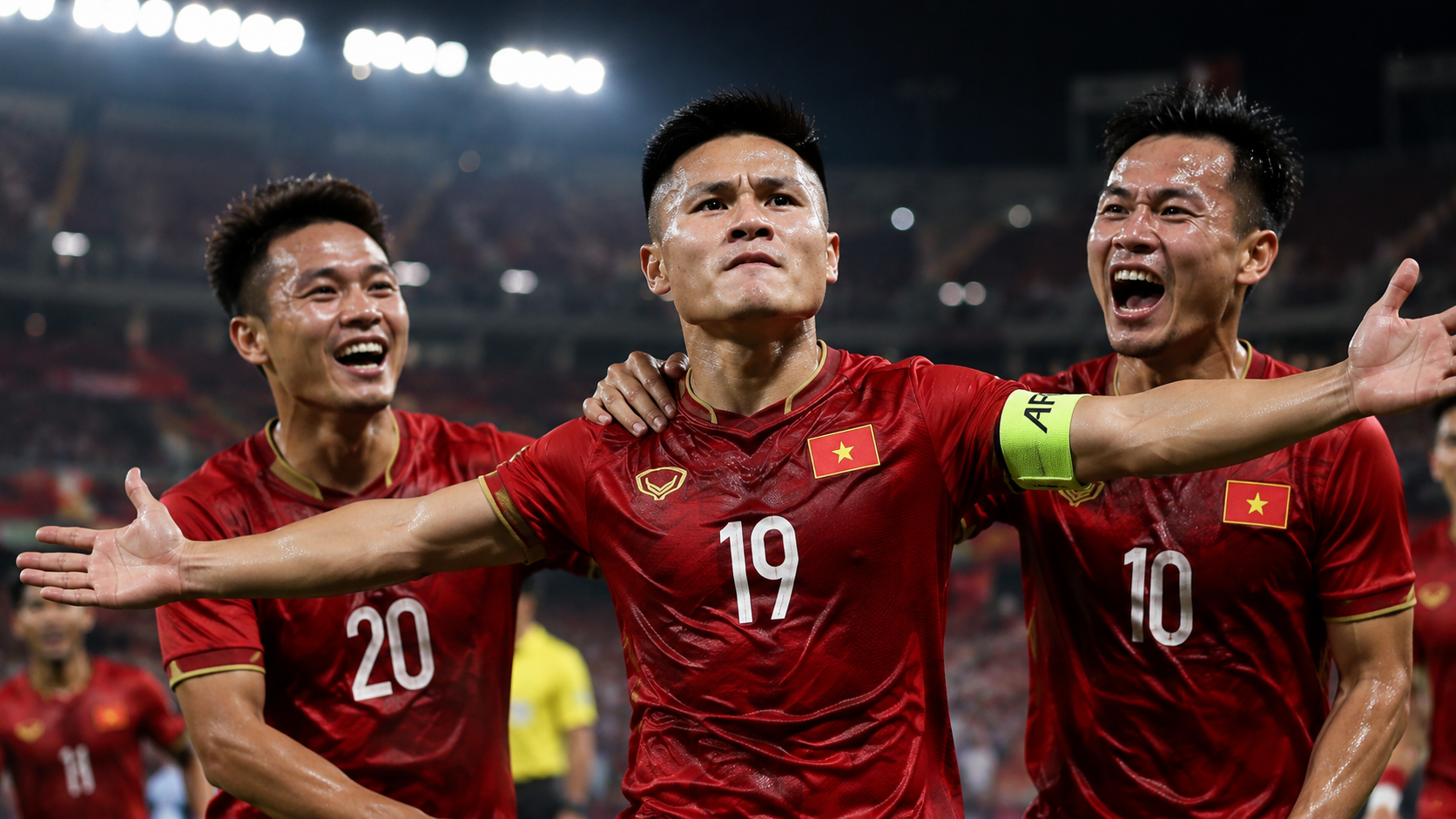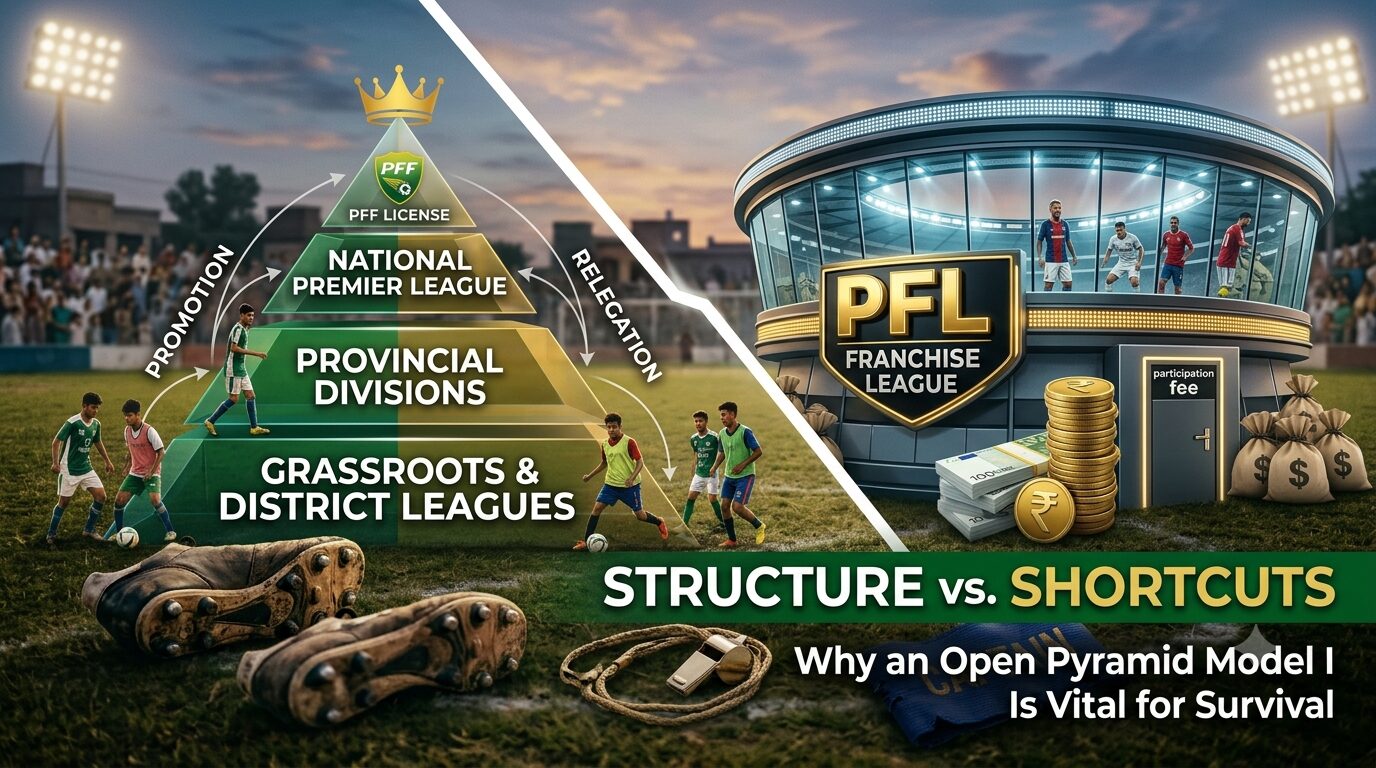
The unsanctioned 2021 Pakistan Premier League, launched under Ashfaq Hussain, collapsed abruptly after just a dozen matches.
Pakistan Football League System: Why a Bottom-to-Top Pyramid Model Is Essential for Survival For decades, domestic football governance in Pakistan has oscillated between administrative crises and short-sighted league concepts. While cricket achieved massive commercial success using a franchise-based framework, applying the exact same formula to domestic football has hindered structural progress.
The lack of a consistent, multi-tiered domestic hierarchy with open promotion and relegation leaves local talent without a clear pathway to professional development. To build a sustainable ecosystem capable of producing international-level athletes, sports administrators must look past quick commercial fixes and construct a structured, bottom-to-top Pakistan football league system.
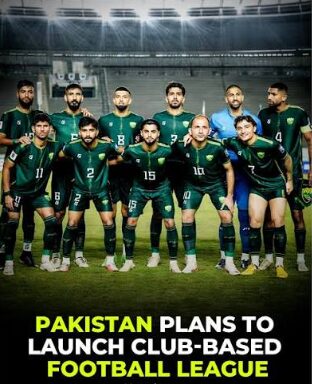
The Historical Failure of Temporary Football Frameworks
Administrative Instability and Aborted Competition
Attempts to establish top-flight football in Pakistan have consistently suffered from political interference and administrative dysfunction. In 2021, an unsanctioned iteration of the Pakistan Premier League (PPL) was launched amidst severe governance disputes, including a takeover of the national federation headquarters that prompted FIFA intervention and suspension.
+-------------------------------------------------------------------+
|               CHRONOLOGY OF DOMESTIC FOOTBALL CRISES              |
+-------------------------------------------------------------------+
| 2018: Judicial intervention in PFF elections leads to FIFA review |
| 2021 (Jan): FIFA installs Normalisation Committee (NC)            |
| 2021 (Mar): Non-sanctioned faction seizes PFF headquarters        |
| 2021 (Aug): Unrecognized 'PPL' launched with 12 teams             |
| 2021 (Nov): Unsanctioned league collapses after ~12 matches       |
| 2022-2026: Extended lack of an active, recognized domestic league |
+-------------------------------------------------------------------+
The 2021 tournament featured a mix of eight departmental entities and four private clubs—such as Karachi United, Lyallpur FC, Huma FC, Chaman FC, and Muslim Club. However, because the tournament operated outside global regulatory frameworks, it collapsed after just a dozen matches. This left domestic players without a reliable competitive platform for years.
Understanding the “Bottom-to-Top” Football Pyramid League System”
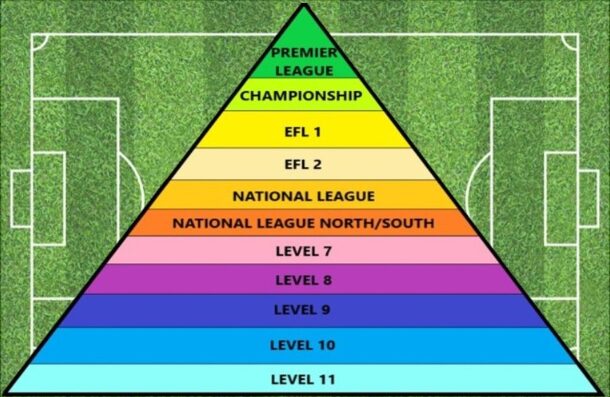
A traditional bottom-to-top football pyramid system is built on an interconnected framework of divisions bound together by promotion and relegation. Lower-tier leagues run first or concurrently, establishing a clear pipeline through which top-performing clubs ascend based purely on sporting merit.
                      / \
                     /   \
                    / TOP \  <-- Elite National Division (10-12 Clubs)
                   /-------\
                  / SECOND  \ <-- Regional / Championship Division
                 /-----------\
                / LOCAL BASE  \ <-- Grassroots / District Competitions
               /---------------\
Case Study: The Sri Lankan Tiered Hierarchy
Sri Lanka faced similar administrative turmoil and FIFA suspensions in recent years. However, Sri Lankan football authorities adopted a structured, bottom-to-top approach to restart their domestic calendar:
- Sri Lanka Champions League (SCL): Serves as the second-tier feeder tournament, operating from November through March.
- Sri Lanka Super League (SSL): Functions as the premier division, featuring 10 top-flight clubs competing across a dedicated three-to-four-month window (July–October).
- Inter-League Connectivity: Teams move between tiers via earned promotion and merit-based relegation, ensuring high competitive stakes throughout both levels.
By building from the second tier upward, the system establishes operational stability before running elite competitions.
The Flaws of the Franchise Model for Football
The Misleading Success of Cricket Franchises
A common misconception among local sports enthusiasts is that a condensed, four-to-six-week franchise league—similar to the Pakistan Super League (PSL) in cricket—can solve the domestic football crisis.
However, football player development requires continuous, long-term match exposure. Professional coaches emphasize that developing elite tactical awareness and physical endurance requires a 6-to-9-month calendar where each club plays roughly 30 competitive matches per season.
| Feature | Closed Franchise League | Open Pyramid System |
|---|---|---|
| Season Duration | Short (4 to 6 weeks) | Extended (6 to 9 months) |
| Matches per Team | Low (8 to 12 games) | High (25 to 35 games) |
| Sporting Mobility | Closed (No relegation) | Open (Promotion & Relegation) |
| Youth Investment | Low (Focus on short-term event) | High (Mandatory academies) |
| Primary Beneficiary | Event promoters & broadcasters | Grassroots players & local clubs |
In established European football systems—such as Sweden’s Allsvenskan, where elite Pakistani international players compete—the top tier features 16 clubs playing 30 league matches spanning from March to November. This sustained structure provides the match engine necessary for continuous high-level talent production.
Cautionary Lessons from the Indian Super League (ISL)
The financial history of the Indian Super League demonstrates the structural risks of closed, fee-heavy franchise models in South Asia.
+-------------------------------------------------------------------+
|               ISL FINANCIAL DISTORTION MODEL (2014-2025)          |
+-------------------------------------------------------------------+
| Annual Franchise Participation Fees (₹12 Cr - ₹18 Cr / year)      |
|                                 ↓                                 |
| Player Wage Inflation (Up to 90% of Club Revenue Spent on Payroll)|
|                                 ↓                                 |
|Extreme Capital Deficit for Youth Academies & Infrastructure (<10%)|
|                                 ↓                                 |
| Stagnant National Team Development & Systemic Vulnerability       |
+-------------------------------------------------------------------+
From 2014 through 2025, franchises paid heavy annual participation fees ranging between ₹12 crore and ₹18 crore. This artificial commercial structure led to severe wage inflation:
- High Expenditure on Wages: Top domestic players secured contracts exceeding €200,000 to €330,000 annually.
- Neglect of Youth Infrastructure: Clubs spent upwards of 90% of their annual operating budgets on player wages, transfer fees, and franchise participation dues.
- Academy Deficits: Less than 10% of total club revenue was reinvested into youth development systems and academy infrastructure.
When private funding guarantees shifted in 2026, the league faced severe financial adjustments. Franchise participation fees had to be sharply reduced, player salary caps were enforced, and operational control was restructured back toward the participating clubs. The period highlighted that inflated short-term spending without deep roots in youth development fails to advance national team performance on the international stage.
Building a Sustainable Domestic Roadmap
To establish a functioning domestic football environment, football administrators must prioritize structural sustainability over short-term exhibition events.
  +---------------------------------------------------------------+
  |            STRATEGIC ROADMAP FOR DOMESTIC FOOTBALL            |
  +---------------------------------------------------------------+
  |  1. Establish District & Provincial Feeder Leagues            |
  |  2. Launch Sanctioned 2nd Division Championship               |
  |  3. Form a 12-to-16 Team National Top-Flight Division        |
  |  4. Implement Strict Club Licensing & Youth Mandates          |
  +---------------------------------------------------------------+
1. Establish District and Provincial Feeder Leagues
The foundation must rest on organized local competitions. District associations require standardized calendars to ensure young talent plays regular competitive matches year-round.
2. Form a Sanctioned Second Division
Before launching a flashy top-tier tournament, a functional second division should be organized. This provides a clear bridge between regional clubs and the national stage.
3. Implement an Open 12-to-16 Team Premier Tier
A premier division operating over a six-month calendar allows clubs to build sustained fan bases, generate localized sponsorship revenue, and provide players with adequate recovery and development cycles.
4. Enforce FIFA and AFC Club Licensing Criteria
Participation must depend on meeting infrastructure and developmental benchmarks rather than buying entry through franchise fees. Key requirements should include:
- Operating dedicated Under-15 and Under-18 academy teams.
- Contracting qualified, licensed coaching staff.
- Maintaining or leasing standard playing facilities.
Frequently Asked Questions
1. What is a “bottom-to-top” football league system?
A bottom-to-top league system is a tiered hierarchy where lower divisions are established first to create a competitive base. Clubs earn their way into higher divisions through promotion and relegation based on sporting performance.
2. Why does a franchise model fail long-term in domestic football?
Franchise models rely on closed systems with high entry fees and short tournament windows. They tend to prioritize brief entertainment over extended player development, often starving youth academies of capital due to inflated operational costs.
3. How long should a professional football league season last?
A standard professional football season should run between 6 and 9 months, providing each participating club with roughly 25 to 30 competitive matches to ensure proper physical and tactical development.
4. What role do departmental teams play in domestic football?
Departmental teams historically provided employment for players, but they often lack broad fan bases, youth academies, and traditional home-and-away stadium setups. Transitioning toward community-based private clubs is considered vital for modernizing the game.
5. Why is promotion and relegation necessary for local football?
Promotion and relegation create competitive stakes at both ends of the table. They prevent meaningless late-season matches, incentivize continuous investment in squad quality, and give lower-tier community clubs a pathway to top-flight success.
6. How does club licensing improve domestic football standards?
Club licensing forces teams to meet specific administrative, financial, structural, and youth-development criteria to compete. This ensures long-term operational stability and prevents financially unstable entities from entering top-tier leagues.
Conclusion
Quick fixes and commercial franchise tournaments cannot substitute for a properly structured domestic football system. For football in Pakistan to build a sustainable future, administrators must commit to constructing an open, multi-tiered pyramid connected by promotion and relegation.
By shifting focus away from short-term exhibition leagues and investing in an extended, merit-based competition calendar, sports authorities can create a genuine development pathway for local talent. Football stakeholders, club owners, and administrators must unite behind a long-term vision—building a league structure that prioritizes grass-roots growth over financial shortcuts.
Read more football news and latest updates