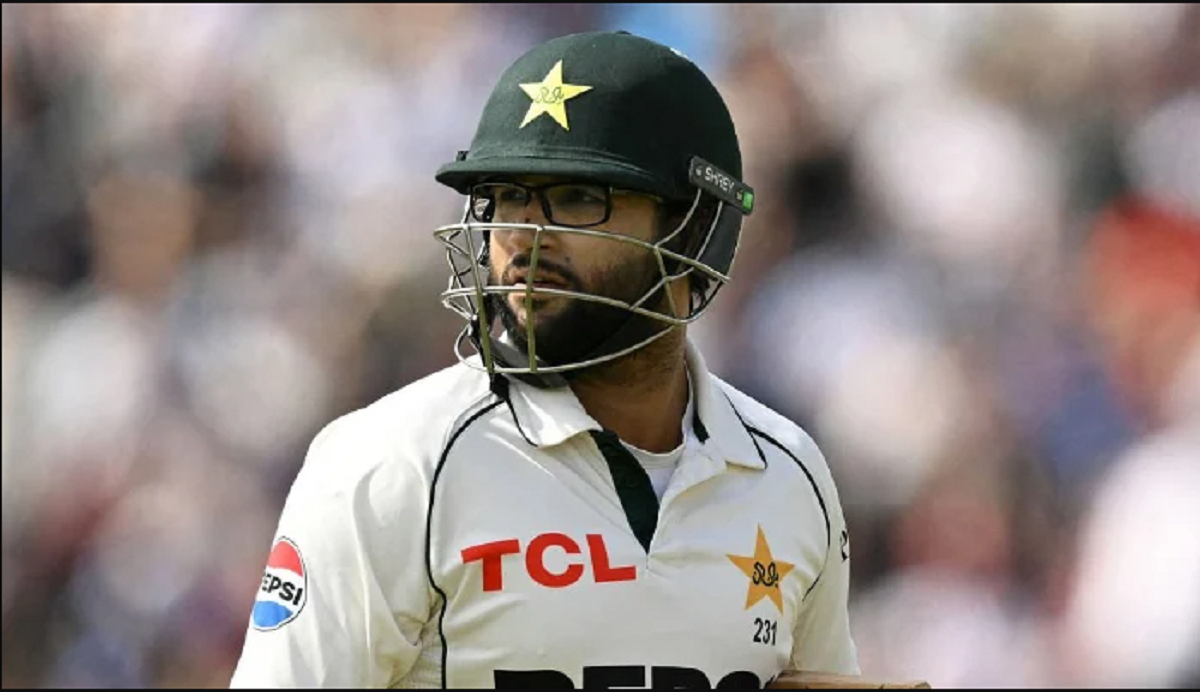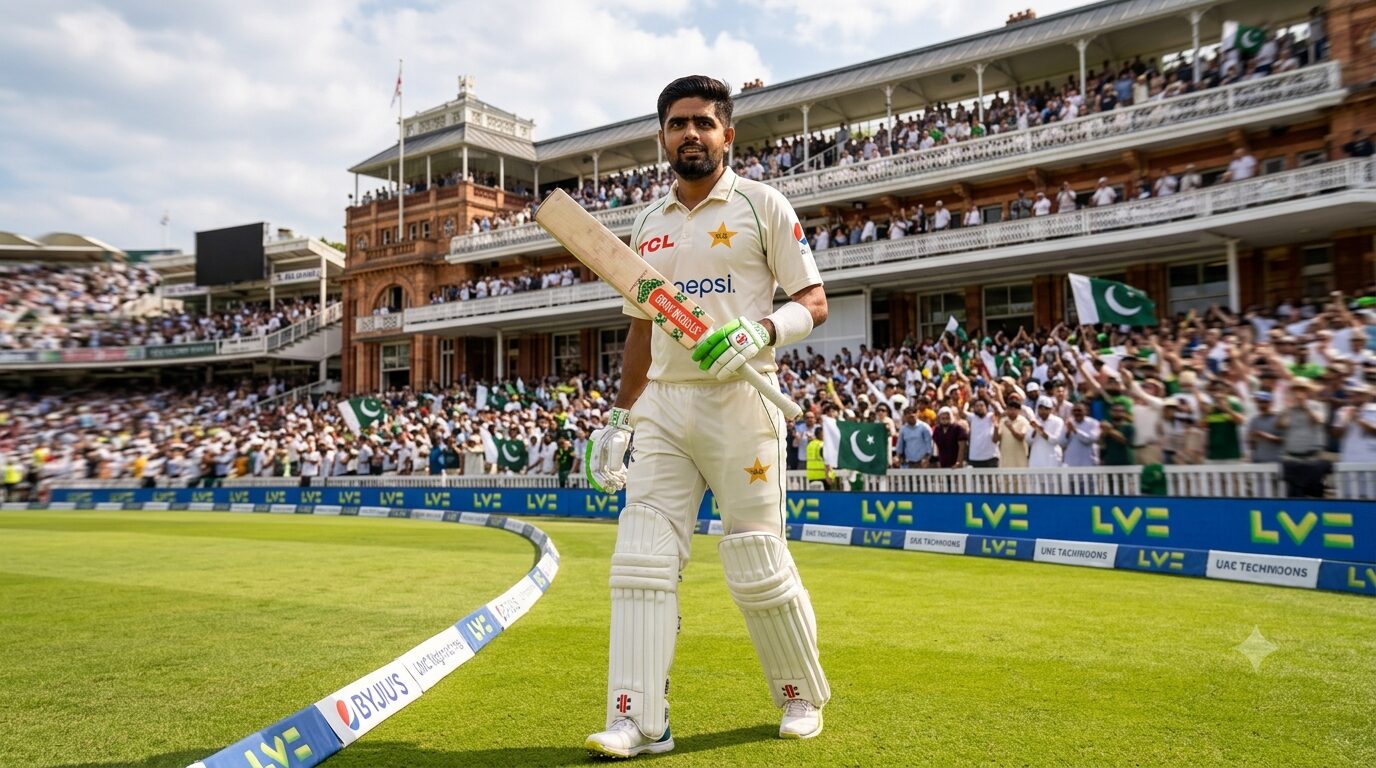
In a definitive move that signals a tactical recalibration within Pakistan cricket, the Pakistan Men’s National Selection Committee has officially announced the return of Babar Azam as the Test captain for the upcoming international red-ball calendar. The star batter will guide the national team through two of the most physically and tactically punishing assignments in modern cricket: consecutive away Test series against the West Indies and England.
This leadership transition marks a critical turning point for a team searching for stability, tactical consistency, and red-ball authority on foreign soil. Announced during an official press conference at the Gaddafi Stadium in Lahore, the decision shifts the strategic direction of the national side as they prepare to face vastly different playing conditions across the Caribbean and the United Kingdom.
The Core Announcement: Squad Breakdowns and Logistics
The Pakistan Men’s National Selection Committee detailed a comprehensive strategy designed to maximize squad depth while managing player workloads across two highly demanding tours. Rather than naming a single blanket roster for both series, the selectors opted for tailored squad sizes tailored to the specific logistical and tactical needs of each tour.
Roster Composition by Tour
- West Indies Test Series: A streamlined 16-member squad has been selected to travel to the Caribbean. This leaner group reflects the need for specialized spin and fast-bowling combinations capable of exploiting slow, low-bouncing, yet occasionally abrasive West Indian tracks.
- England Test Series: The roster expands to a 17-member squad for the United Kingdom leg of the tour. The extra slot provides crucial backup insurance for the seam-bowling department, acknowledging the severe physical toll that long, grueling sessions in cool, damp British conditions can extract from fast bowlers.
The formal press conference in Lahore confirmed that the decision-making process centered around providing Babar Azam with an optimal balance of seasoned veteran presence and explosive youth. By establishing the leadership hierarchy well in advance, the Pakistan Cricket Board (PCB) aims to allow the squad to focus purely on tactical execution, technical drills, and mental preparation before departing.
The Strategic Shift: Analyzing the Return of Babar Azam

Reappointing Babar Azam as the red-ball leader is more than a simple changing of the guard; it represents a return to a proven system of centralized accountability. Managing a cricket team across distinct formats requires a rare combination of personal batting form and tactical authority. The selection committee’s decision highlights several critical realities currently facing the national team:
1. Re-establishing Middle-Order Stability
A captain must lead by example, and Babar’s personal track record in the longest format remains a cornerstone of the team’s batting infrastructure. By grounding the leadership structure in a player who occupies a crucial anchor position in the top-to-middle order, the team gains a psychological safety net. When the captain can reliably absorb pressure against a moving ball, it infuses the rest of the batting lineup with confidence.
2. Tactical Continuity in Selection
Overseas tours are notoriously unforgiving to fractured dressing rooms or uncertain leadership. The decision to hand Babar the reins provides the team with a singular, clear voice in selection meetings, tactical debriefs, and on-field adjustments. His deep familiarity with both the core veterans and the emerging prospects ensures a smoother transition when implementing complex game plans.
3. Restoring Player Confidence
Modern red-ball cricket demands absolute clarity of roles. Under shifting leadership structures, younger players can easily grow anxious about their status within the side. Babar’s return establishes an environment where role definitions are clear, giving batsmen and bowlers the peace of mind required to execute long-term strategies over five days of intense play.
Decoding the Challenges: Caribbean Slow Burn vs. English Swing
To truly appreciate the magnitude of the task ahead for Babar Azam, one must examine the vastly contrasting environments his team will navigate. Winning away from home requires elite adaptability, and these two tours sit at opposite ends of the tactical spectrum.
+-----------------------------------------------------------------------+
|                       PAKISTAN TOUR COMPARISON                        |
+------------------------------------+----------------------------------+
| WEST INDIES TOUR                   | ENGLAND TOUR                     |
+------------------------------------+----------------------------------+
| • 16-Member Roster                 | • 17-Member Roster               |
| • Dry, abrasive outfields          | • Lush, damp outfields           |
| • Low bounce, spinning tracks      | • Pronounced late aerial swing   |
| • Slow-burn attritional cricket    | • High-tempo, aggressive play    |
| • Focus on reverse swing & spin    | • Focus on conventional swing    |
+------------------------------------+----------------------------------+
The West Indian Landscape
Test cricket in the Caribbean has evolved into a war of attrition. The pitches typically lack the fierce, rhythmic pace of the 1980s, shifting instead toward dry, abrasive surfaces that offer significant assistance to spinners as the match progresses.
- The Tactical Blueprint: Babar must manage his bowling resources to extract reverse swing from an older ball while trusting his spinners to hold an exact, restrictive line.
- The Batting Challenge: Batsmen cannot simply coast along on the true bounce of the surface. They must show immense patience, use their feet decisively against slow bowling, and wait out long, disciplined spells from the West Indian seamers.
The English Crucible
Conversely, touring England tests a player’s technical fundamentals like nowhere else on earth. The combination of Duke cricket balls, lush green outfields, and shifting atmospheric conditions means the ball can swing conventionally for hours at a time.
- The Tactical Blueprint: Field placements must be highly aggressive, with deep slip cordons and catching positions designed to capitalize on early-morning moisture or overhead cloud cover.
- The Batting Challenge: Footwork must be precise. Batsmen must play late, master the art of leaving the ball outside the off-stump, and show the resilience needed to counter sudden bursts of late, devastating aerial movement.
Tactical Blueprints for the National Selection Strategy
The differences between a 16-member and a 17-member squad reveal a deliberate structural philosophy from the selection committee. By examining the tactical needs of overseas campaigns, we can see exactly how these units are designed to operate:
Building a Bulletproof Batting Order
To win a Test match, a team must consistently post scores that allow its bowlers to hunt for 20 wickets without defensive pressure. The batting strategy under Babar’s renewed leadership will focus on building big opening partnerships to protect the middle order from the brand-new ball.
- Surviving the New Ball: The openers must blunt the opposition’s initial attack, taking the sting out of the fresh seamers and wearing down the new ball.
- Anchoring the Middle Innings: Once the shine is off, the middle order can actively look to rotate strike and build massive partnerships.
- Accelerating Past the 80-Over Mark: A settled batting lineup can capitalize on a tiring bowling attack, driving the score forward to dictate the terms of the match.
Optimizing Rotational Seam Assets
The additional player carried in the 17-member squad for England is a clear nod to the physical demands of modern fast bowling. Babar and the team management will need to execute a strict rotational policy to keep their premier quicks fresh.
Workload Management Rule: No single fast bowler should be expected to bowl high-intensity 20-over spells in back-to-back Test matches without adequate recovery windows. The extra seamer allows Pakistan to rotate their attack seamlessly, ensuring the bowling unit maintains its penetrative edge throughout the entire tour.
FAQs: Inside Pakistan’s Red-Ball Strategy
Why did the selection committee decide to bring back Babar Azam as Test captain?
The committee prioritized long-term tactical stability, dressing room unity, and proven individual performance on foreign soil. Babar’s deep understanding of the current player pool and his elite status as a premier red-ball batsman make him the ideal figure to anchor the leadership structure during these highly demanding away tours.
What is the tactical reasoning behind naming squads of different sizes for the two tours?
The 16-member squad for the West Indies is structured for a more compact, spin-and-attrition style of play on slower wickets. The 17-member squad for England adds crucial depth to the fast-bowling department, providing essential insurance against injuries and the heavy physical workloads brought on by long bowling spells in swing-friendly English conditions.
How do playing conditions differ between the West Indies and England?
West Indian pitches generally tend to be slower, drier, and lower in bounce, which brings spinners and reverse-swing specialists into play as the match wears on. England features cooler, damper conditions with lush outfields that preserve the shine of the ball, leading to sustained conventional swing and dynamic seam movement throughout the day.
Which young prospects are most likely to benefit from Babar Azam’s return to leadership?
Emerging top-order batsmen and young seamers stand to gain the most. Babar’s calm, deliberate leadership style provides a reassuring presence for younger players, offering them clear role definitions and the operational security they need to perform without fear of immediate dropped status.
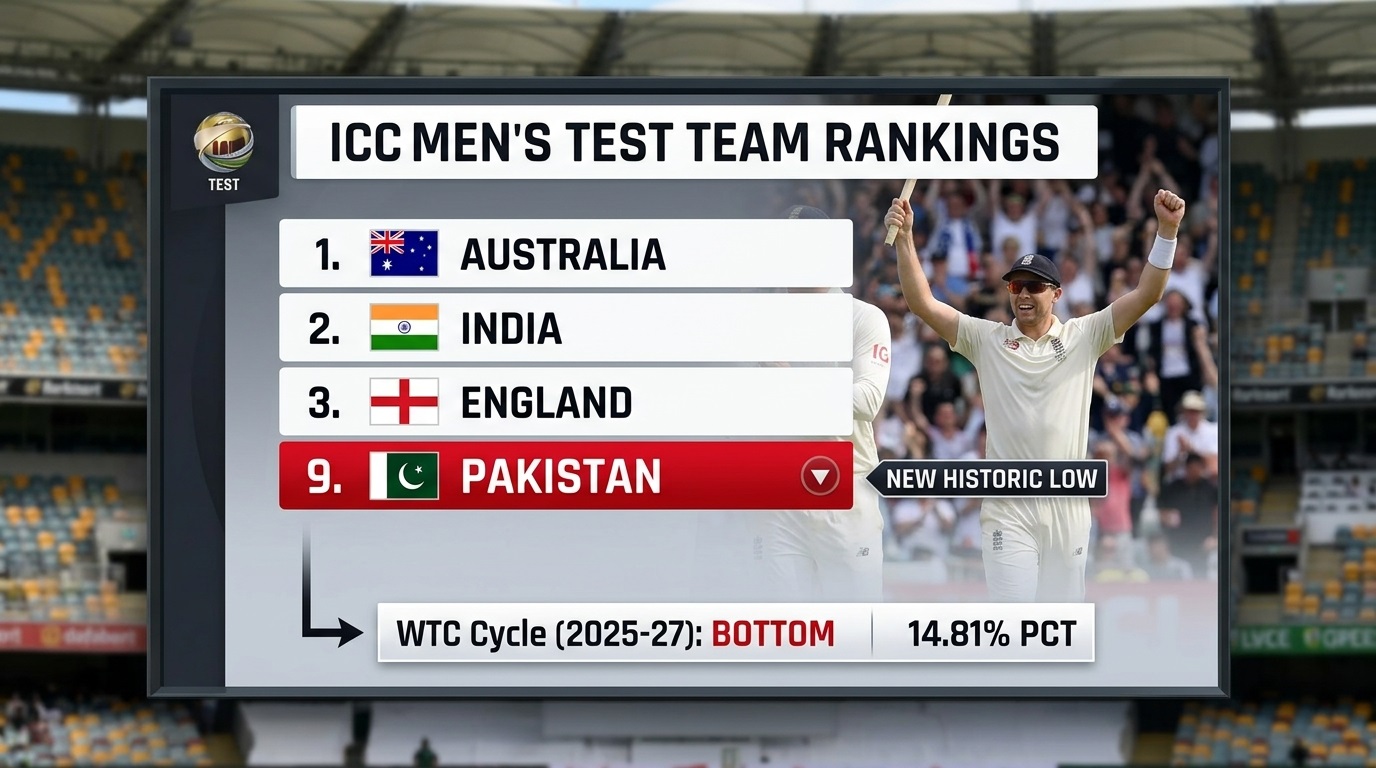
How critical are these tours for Pakistan’s standing in the World Test Championship?
These away series are absolutely vital. Winning matches away from home yields crucial premium points in the World Test Championship table. Securing strong results in both the Caribbean and England would dramatically boost Pakistan’s chances of qualifying for the championship final.
Conclusion
The Pakistan Men’s National Selection Committee’s decision to entrust Babar Azam with the Test captaincy for the dual tours of the West Indies and England represents a bold, calculated bet on experience, class, and structural stability. By matching a 16-member squad for the Caribbean with an expanded 17-member contingent for the UK, the selectors have given their returning leader a versatile toolkit designed to handle two very different cricketing challenges.
As the team puts the final touches on its preparation at Gaddafi Stadium, the focus shifts entirely from off-field speculation to on-field execution. With a balanced mix of seasoned veterans and hungry young talent, Babar Azam has a prime opportunity to redefine his leadership legacy and guide Pakistan back to the top tier of international red-ball cricket.
What are your predictions for the upcoming away series? Do you think the squad selections match the unique challenges of the Caribbean and English pitches? Join the conversation in the comments section below and share this deep dive with your fellow cricket fans!
Read more cricket news and latest updates