The debate surrounding international cricket infrastructure reached a critical flashpoint as major Asian cricketing nations expressed grave reservations over venue readiness for upcoming multi-sport events. Asian Games 2026 cricket venue concerns have united the Asian Cricket Council (ACC)—led by frontline voices from the Pakistan Cricket Board (PCB) and the Board of Control for Cricket in India (BCCI)—in demanding urgent oversight.
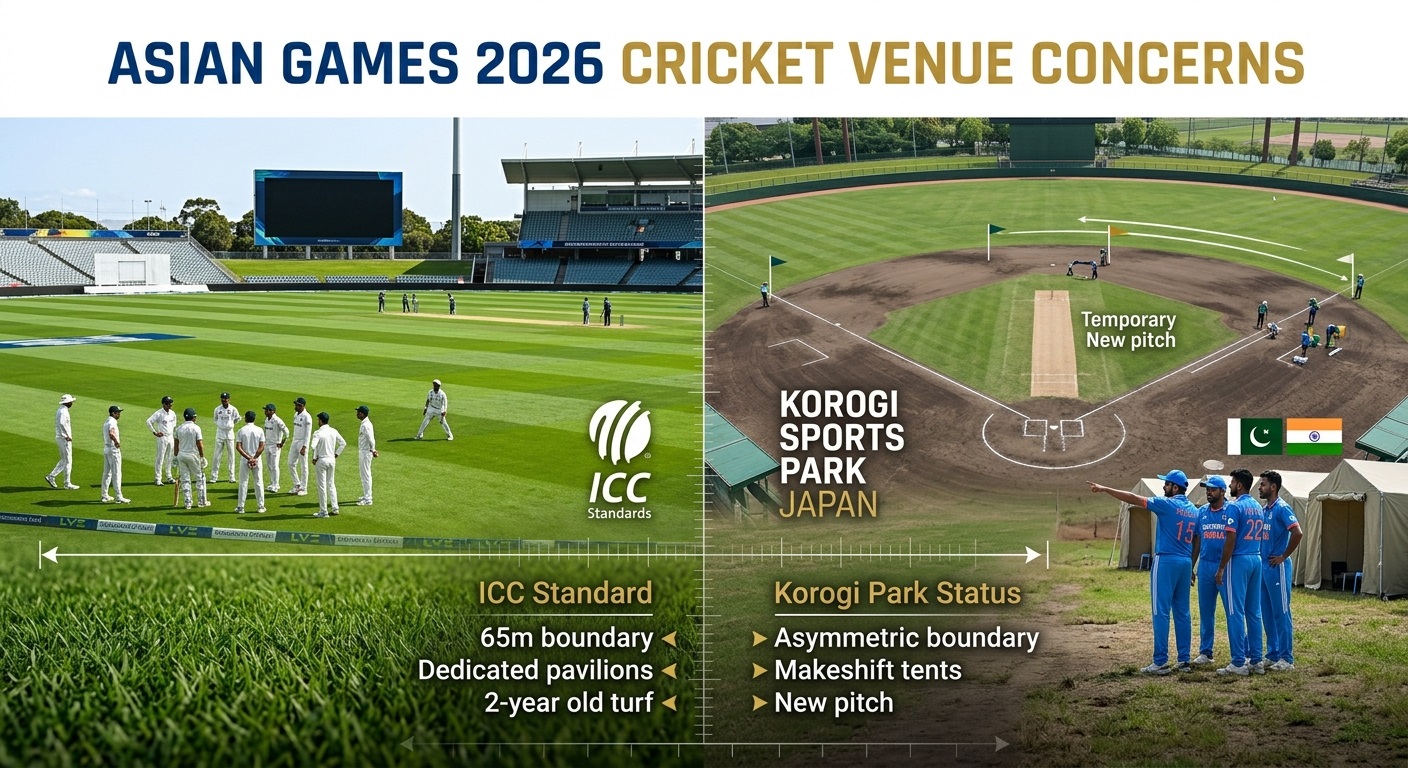
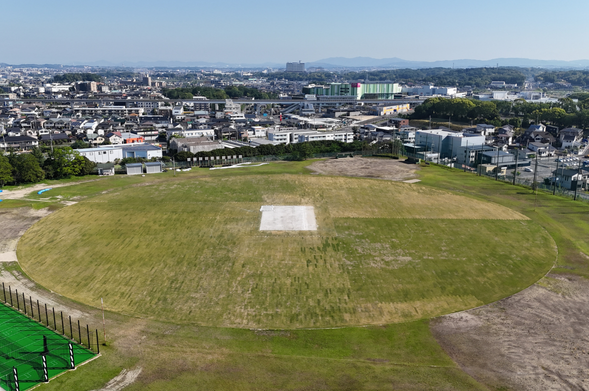
Asian Games 2026 cricket venue concerns center around Korogi Sports Park in Nagoya, Japan, where makeshift facilities and untested pitches pose operational risks for elite international teams.
+-----------------------------------------------------------------------------------+
|                        GOVERNANCE & ESCALATION PATHWAYS                           |
+-----------------------------------------------------------------------------------+
|  [PCB / BCCI]  --->  [Asian Cricket Council]  --->  [Organizing Committee / OCA]  |
|  (Initial Flag)        (Joint Inspection)            (Facility Rectification)     |
+-----------------------------------------------------------------------------------+
The Origin of Asian Games 2026 Cricket Venue Concerns
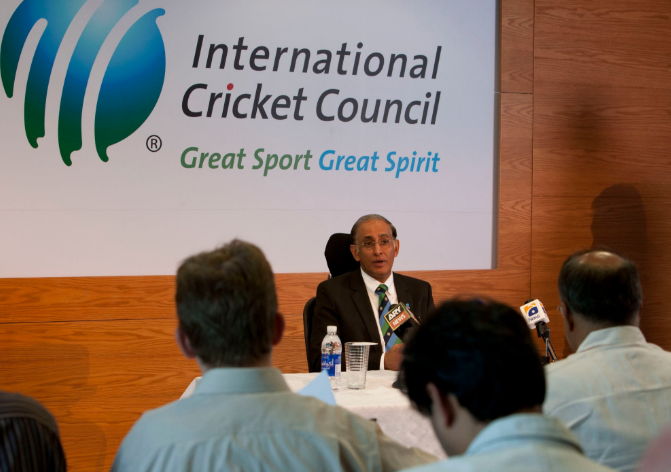
Tensions surfaced during an executive meeting of the Asian Cricket Council, where member boards gathered to review logistics for the upcoming Aichi-Nagoya Games. The PCB was the first governing body to formally flag reservations regarding the designated venue in Nagoya.
The facility in question, Korogi Sports Park, operated primarily as a baseball ground prior to its conversion into a cricket venue. Converting baseball diamonds to international cricket outfields presents severe spatial and structural challenges.
Key Takeaway: Repurposing baseball parks for international cricket routinely results in asymmetric boundary lines, inadequate bowler run-up areas, and outfield conditions that do not conform to International Cricket Council (ICC) safety guidelines.
Primary technical deficiencies identified at Korogi Sports Park include:
- Untested Turf: The pitch was laid recently and has seen negligible match usage prior to international competition.
- Absence of Dedicated Dressing Rooms: Current infrastructure lacks climate-controlled, secure player lockups and team briefing rooms.
- Uncertain Pitch Conditions: Pitch compaction and grass density remain unverified for top-tier competitive play.
Detailed Infrastructure Deficiencies at Nagoya
To understand why Asian Games 2026 cricket venue concerns have escalated rapidly, one must examine the gap between ICC international venue standards and the current state of Korogi Sports Park.
Pitch Maturity and Agronomy Risks
A professional cricket pitch requires extensive settling, compaction, and clay-to-silt stabilization over multiple seasons to ensure consistent bounce and prevent dangerous soil disintegration.
An unproven pitch laid months prior to a major tournament introduces unpredictable behavior, such as variable bounce, seam movement caused by loose soil, and early pitch deterioration.
PITCH MATURATION TIMELINE vs. KOROGI PARK REALITY
+-----------------------+----------------------------------+------------------------+
| Stage                 | Requirement                      | Korogi Park Status     |
+-----------------------+----------------------------------+------------------------+
| Soil Compaction       | 12-18 months of settling         | Under 6 months         |
| Root System Bonding   | Deep perennial grass root matrix | Surface-level turf     |
| Match Testing         | Minimum 5-10 full matches        | Single trial tournament|
+-----------------------+----------------------------------+------------------------+
Player Accommodation and Village Logistics
Infrastructure concerns extend beyond the boundary ropes into the official athlete villages. According to guidance shared by the Olympic Council of Asia (OCA), athletes across badminton, football, cricket, and softball will be housed in shared twin rooms in Nagoya.
An official confirmed the operational friction: “The rooms are very compact. When a single player unzips a full cricket kit bag containing bats, pads, helmets, and catching gear, floor space is completely exhausted.”
Unified Response: PCB, BCCI, and ACC Action Plan
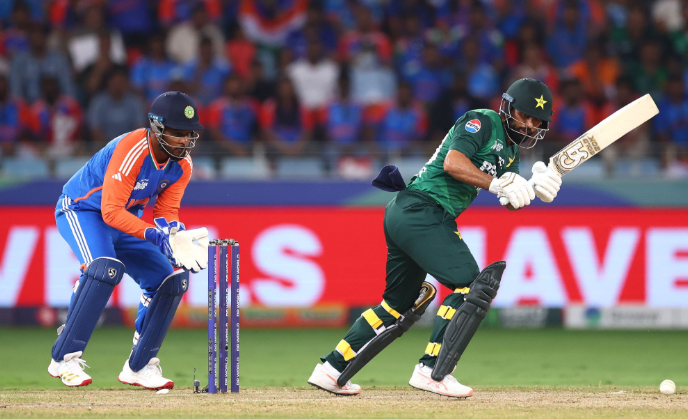
Despite ongoing geopolitical rivalries, the PCB and BCCI have aligned on athlete safety and event integrity. Following the PCB’s initial intervention, the BCCI reached out to the International Olympic Committee (IOC) and the local organizing committee to request immediate intervention.
The IOC subsequently advised national boards to coordinate directly with the Asian Games Organizing Committee to establish an expert inspection delegation.
Infrastructure Standards Gap Matrix
| Evaluation Parameter | ICC International Standard | Korogi Sports Park Current Status | Operational Impact |
| Pitch Construction | Fully settled clay block; tested over 1+ years | Newly laid turf; tested in only one minor event | High risk of dangerous bounce and pitch breakdown |
| Dressing Facilities | 30+ person capacity, private showers, recovery space | Makeshift tents / basic public park structures | Inadequate recovery, security, and tactical prep |
| Athlete Village Housing | Spacious twin rooms with designated storage | Compact twin rooms with restricted floor space | Logistics friction with large equipment bags |
| Boundary Dimensions | Minimum 59–64 meters from center pitch | Asymmetric due to baseball outfield geometry | Distorted match dynamics and safety concerns |
Institutional Mandate for the ACC Inspection Team
The Asian Cricket Council has authorized a technical delegation to conduct a full audit of Korogi Sports Park. The team will evaluate facilities using a clear compliance checklist.
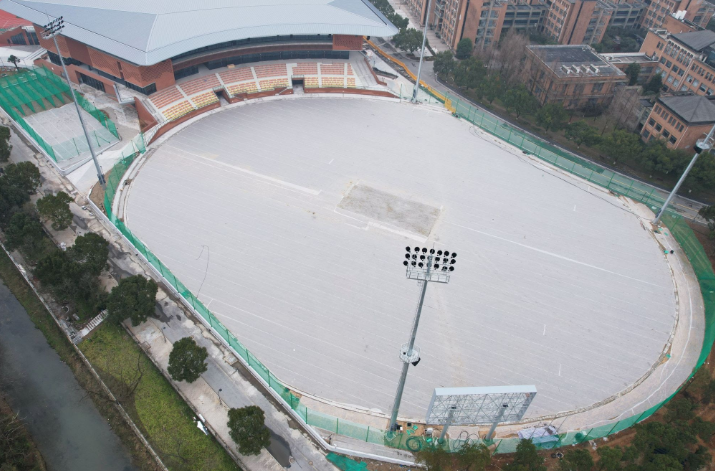
- Sub-Surface Soil Testing: Measuring bulk density and moisture retention across all match and practice tracks.
- Outfield Leveling Audit: Ensuring smooth transitions between former baseball dirt cutouts and outfield grass.
- Player Safety Inspection: Checking boundary cushion clearance, fence distances, and run-up friction levels.
- Temporary Infrastructure Verification: Assessing plans for air-conditioned modular dressing units, media centers, and medical facilities.
Warning: Proceeding with international fixtures on an unverified pitch exposes elite players to serious injury risks from unpredictable ball bounce.
Strategic Recommendations for the Organizing Committee
To resolve Asian Games 2026 cricket venue concerns before competition commences, the local organizing committee should implement three key remedies:
- Install Drop-In Pitches: Utilizing pre-cultivated drop-in pitch modules managed by experienced curators ensures predictable bounce and structural integrity.
- Construct Modular Team Suites: Replacing public park shelters with heavy-duty, climate-controlled modular structures provides proper dressing rooms and recovery areas.
- Diverted Equipment Storage: Establishing dedicated storage lockers on ground level near team transport hubs relieves spatial strain in athlete housing.
Frequently Asked Questions
What are the main Asian Games 2026 cricket venue concerns raised by member boards?
The primary concerns focus on Korogi Sports Park in Nagoya, featuring an untested pitch laid over a former baseball venue, makeshift dressing facilities, irregular boundary geometry, and tight athlete accommodation units that struggle to house full cricket kit bags comfortably.
Why did the PCB and BCCI raise concerns regarding the Nagoya cricket facility?
The PCB first flagged the issue at an Asian Cricket Council meeting due to athlete safety risks, unverified pitch quality, and inadequate facilities. The BCCI supported these observations and engaged the International Olympic Committee to push for venue rectifications.
How does a converted baseball field impact professional cricket matches?
Baseball fields feature asymmetric outfields, differing soil profiles, and dirt cutouts that create uneven surfaces for fielding. Without extensive modification, bowler run-ups and boundary distances fail to meet international regulations, compromising match fairness and player safety.
What action is the Asian Cricket Council taking to address venue standards?
The ACC is deploying a specialized technical team to inspect Korogi Sports Park in Nagoya. The team will audit pitch compaction, drainage, outfield safety, dressing facilities, and auxiliary space to ensure compliance before official fixtures begin.
How do room sizes at the Asian Games athlete village affect cricket teams?
Cricket gear requires significant storage space for kit bags, bats, pads, and medical equipment. The compact twin rooms in Nagoya leave minimal standing space once equipment is unpacked, causing logistical challenges for players and support staff.
Has the International Olympic Committee responded to board complaints?
Yes, the IOC acknowledged communications from cricket governing bodies and advised national boards and the ACC to consult directly with the Asian Games Organizing Committee to implement necessary facility adjustments.
The heightening Asian Games 2026 cricket venue concerns emphasize the need for professional infrastructure as cricket expands into multi-sport global events. The joint initiative by the PCB, BCCI, and ACC underlines a clear message: international cricket demands verified playing surfaces, professional team amenities, and functional player housing. Addressing these infrastructural gaps at Korogi Sports Park will protect athlete well-being and preserve the integrity of the tournament.
Stay informed on international cricket developments, venue inspections, and Asian Cricket Council announcements by following our dedicated sports coverage.
Read more sports news and latest updates
Read more cricket news and latest updates