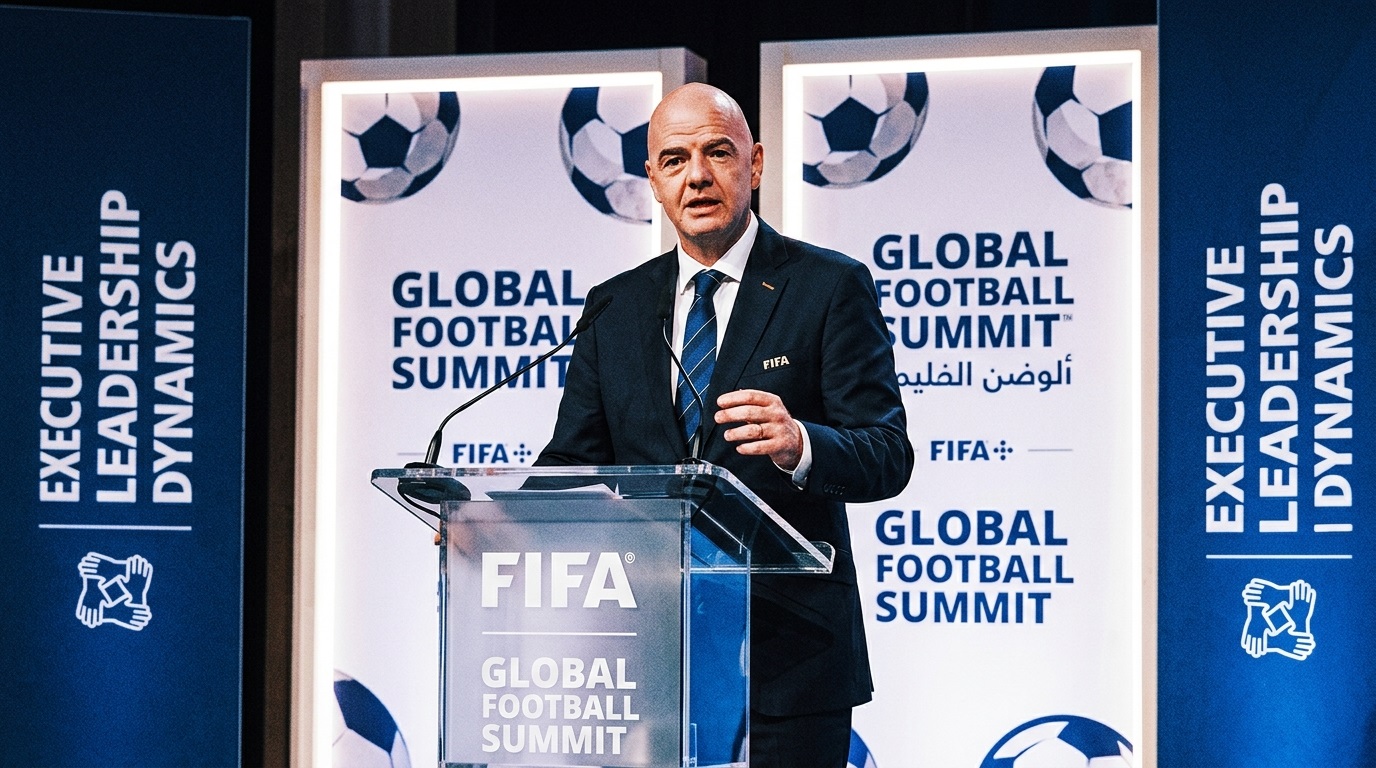
FIFA Governance Reform Analysis Examines: An unprecedented wave of opposition has emerged within global football governance. A coalition of World Cup winners, international champions, and official FIFA Legends has issued an open demand for immediate structural change at football’s global governing body. The movement highlights a growing divide between institutional decision-makers and the athletes who define the sport on the pitch.
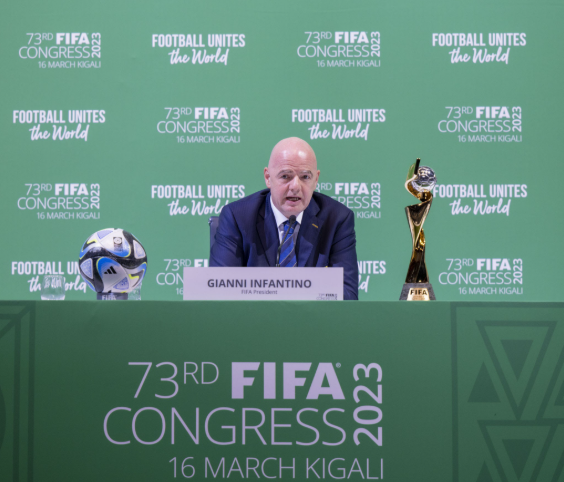
The friction follows mounting criticism over executive commercial initiatives, leading regional confederations to evaluate formal accountability mechanisms ahead of upcoming presidential election cycles.
The player coalition—which includes French World Cup champions Emmanuel Petit, Bixente Lizarazu, and Robert Pires, along with American icon Briana Scurry, England international Lucy Bronze, Didier Drogba, Juan Sebastián Verón, Claudio Pizarro, David James, and Emmanuel Adebayor—signals a shift in sports diplomacy. Athletes traditionally appointed for global promotional campaigns are now using their visibility to challenge central administrative policy.
The Commercial Catalyst: Privatization and Tournament Rights
The immediate driver of current friction stems from institutional proposals regarding tournament commercialization. Central to the dispute was a plan to establish an independent commercial entity intended to manage FIFA tournament broadcast and commercial assets, with up to 20 percent sold to private equity investors.
Traditional Revenue Model                 Proposed Commercial Restructuring
┌─────────────────────────────┐           ┌─────────────────────────────┐
│ FIFA General Secretariat    │           │ Independent Commercial Corp │
│ Direct Commercial Control   │ ───────►  │ 20% Private Equity Equity   │
│ Statutory Member Oversight  │           │ Investor Board Seats        │
└─────────────────────────────┘           └─────────────────────────────┘
While supporters argued the structure would generate unprecedented capital allocations for global football development, critics across regional confederations raised major structural concerns:
- Erosion of Confederation Authority: Regional bodies, including UEFA, the Asian Football Confederation (AFC), and CONCACAF, voiced reservations that private capital involvement would bypass established democratic checks.
- Schedule Expansion Pressure: Financial models tied to private equity investment typically require increased match volume, accelerating calendar congestion and athlete fatigue.
- Loss of Public Governance Transparency: Shifting core tournament assets into semi-private entities risks shielding commercial revenue distribution from public disclosure.
Although the private equity initiative was ultimately shelved under mounting pressure, the debate exposed deeper friction regarding institutional decision-making.
Technical Breakdown: FIFA Governance and No-Confidence Mechanics
Under the official FIFA Statutes, executive power is centralized within the Office of the President and the FIFA Council. However, accountability mechanisms exist within statutory frameworks to address widespread administrative friction.
Statutory Governance vs. Player Reform Demands
| Governance Dimension | Current FIFA Framework | Proposed Player & Fan Model |
| Voting Power | 211 Member Associations (One vote per nation) | Direct representation seats for players and fan trusts |
| Commercial Approvals | FIFA Executive Management & Council ratification | Mandatory consultative review by player unions (FIFPRO) |
| Presidential Accountability | Mandatory election cycles every 4 years | Formal statutory review processes and direct recall pathways |
| Ambassadorial Role | Honorary non-voting promotional representation | Active voting capacity on technical and ethics committees |
Confederation Alignment and Decision-Making Pathways
Regional confederations hold significant institutional influence during administrative disputes. When confederation leadership aligns, statutory mechanisms can alter executive trajectories.
- Confederation Consensus: Regional bodies representing key tournament revenue streams coordinate policy positions ahead of FIFA Congress assemblies.
- Statutory Motion Submission: Member associations can submit formal agenda items requesting governance reviews or amendments to electoral protocols.
- Congress Floor Voting: Any major structural reform requires clear majorities among the 211 voting member nations, making global consensus-building essential.
Player Representation: Moving Beyond Ambassadorial Roles
For decades, international football federations relied on legendary athletes primarily as brand ambassadors. The recent statement by global icons highlights a transition toward active institutional advocacy.
Stage 1: Honorary Representation ──► Stage 2: Public Policy Statements ──► Stage 3: Structural Voting Power
      Exhibition matches & PR           Open letters on governance        Formal Council seats & veto rights
In their collective statement, the player group emphasized that structural reform requires granting active participants direct input into institutional planning:
“Power has blurred the current leadership’s ability to distinguish between its own interests and what is best for football. Those who step onto the pitch and those who sit in the stands deserve a genuine voice to help reshape football’s future together.”
This statement marks an unprecedented moment where former FIFA Legends actively challenge central governance practices, calling for formalized representation within global decision-making bodies.
Strategic Roadmap for Football Governance Accountability
To rebuild trust among member associations, players, and global supporters, sports governance analysts outline four key pillars for structural modernization:
Priority Reform Directives
- Establish Direct Player Representation: Grant formal voting seats on the FIFA Council to certified player representatives to ensure balance between commercial expansion and athlete wellness.
- Implement Commercial Oversight Commissions: Create independent advisory panels comprising member associations, player unions, and financial auditors to evaluate future media rights monetization models.
- Standardize Calendar Impact Assessments: Require mandatory rest-period benchmarks prior to approving changes to international competition schedules or tournament expansions.
- Enhance Decision-Making Transparency: Publish complete transcripts and voting records for major commercial decisions discussed during FIFA Congress sessions.
Frequently Asked Questions
What triggered the recent backlash against FIFA leadership?
The backlash escalated following an administrative proposal to create an independent commercial entity for FIFA tournament rights and sell a 20 percent stake to private equity investors. The plan raised widespread concerns over decision-making transparency and calendar expansion.
What is the goal of the FIFA governance reform analysis?
The analysis evaluates institutional decision-making, commercial rights strategies, and voting mechanics within world football’s governing body, exploring pathways to grant players and fans formal governance input.
Can regional confederations remove a sitting FIFA President?
Regional confederations can influence leadership trajectories by coordinating voting blocs across the 211 member associations during a FIFA Congress or introducing formal motions under statutory guidelines.
Which players joined the call for governance reform?
The coalition includes World Cup champions Emmanuel Petit, Bixente Lizarazu, Robert Pires, and Briana Scurry, along with Lucy Bronze, Didier Drogba, Juan Sebastián Verón, Claudio Pizarro, David James, and Emmanuel Adebayor.
How do FIFA Legends currently participate in governance?
Historically, FIFA Legends served non-voting ambassadorial roles, promoting football initiatives worldwide. The current reform movement calls for transitioning these figures into active policy-making roles with direct representation on administrative committees.
The unified stance taken by World Cup winners and global football icons represents a critical juncture in sports management. As commercial investments and tournament calendars expand, the demand for transparent governance, player wellness protections, and fan representation has become paramount. Realigning institutional leadership with the core values of the sport remains essential for long-term stability across global football.
To stay informed on international sports administration developments and regulatory policy updates, explore our growing coverage of sports governance analyses and global football policy breakdowns.
Read more football news and latest updates