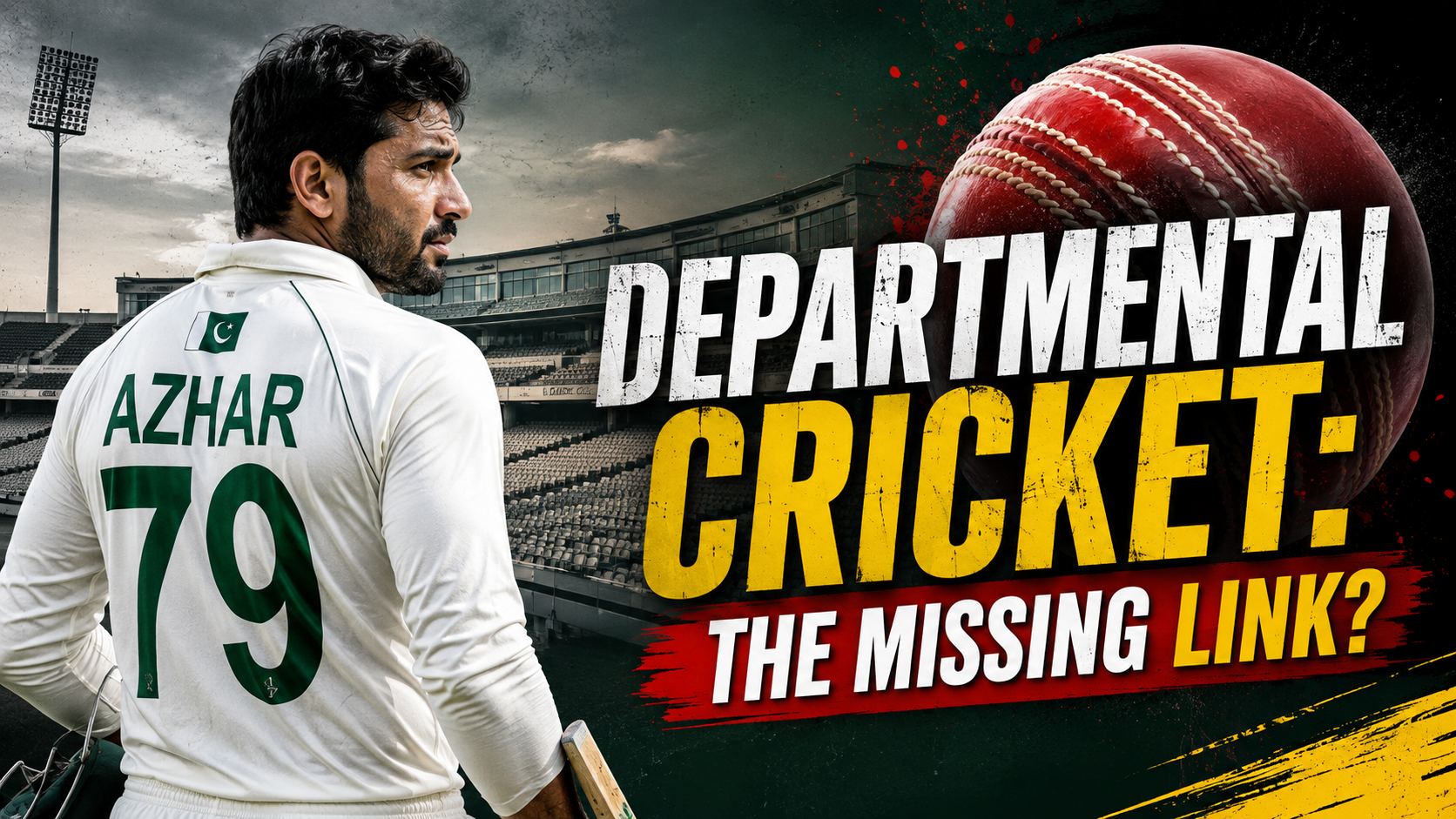
The departmental cricket shutdown remains the single biggest reason behind Pakistan’s ongoing struggle in Test cricket, according to former national team captain Azhar Ali. The veteran top-order batter, who represented Pakistan in 97 Test matches, explicitly linked the team’s international slump to the domestic structural changes that removed corporate and departmental teams. Describing departmental cricket as the primary “nursery for the national side,” Azhar warned that dismantling this financial and technical safety net stripped away essential player development layers.
Following their 2-0 away Test series win against Sri Lanka in July 2023, the Pakistan national team has managed just one red-ball series victory—a home win over England in October 2024. Across the last 18 Test matches, Pakistan has suffered 13 defeats, including away losses to Australia, South Africa, and Bangladesh, alongside unexpected home setbacks. Azhar believes this drop in performance directly correlates with the departmental cricket shutdown and its lingering disruption to the domestic ecosystem.
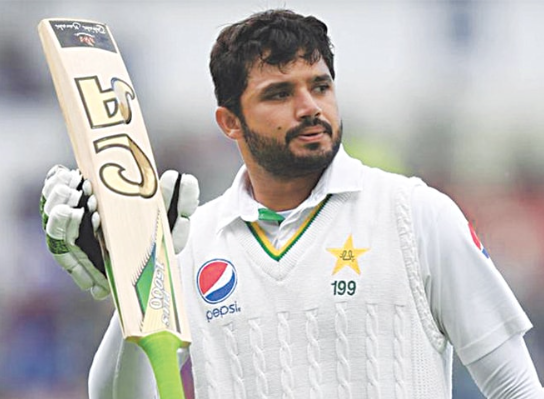
Understanding the Impact of the Departmental Cricket Shutdown
The departmental cricket shutdown originally took effect in 2019 under a domestic overhaul driven by then-Prime Minister Imran Khan, aiming to replace corporate units with a six-team regional model. While the system experienced a partial return during the 2023–24 domestic season, recent administrative decisions by the Pakistan Cricket Board (PCB) have once again alienated major institutions. Most recently, long-running teams like WAPDA and Sahir Associates were removed ahead of the 2026–27 season after the PCB tripled participation fees.
                 CHRONOLOGY OF PAKISTAN DOMESTIC SYSTEM
┌──────────────────────────────────────────────────────────────────────────┐
│ 2019: departmental cricket shutdown enacted; 6 regional teams setup      │
│ 2023: Departmental cricket reinstated into domestic circuit (2023-24)    │
│ 2026: PCB raises participation fees threefold; key departments exit      │
└──────────────────────────────────────────────────────────────────────────┘
Azhar Ali highlighted that the departmental cricket shutdown cut off crucial financial security for young domestic players. Departments historically offered regular monthly contracts, even for Grade 2 setups paying PKR 30,000 to 40,000 monthly, allowing players from modest backgrounds to dedicate themselves fully to the sport.
Why the Departmental Cricket Shutdown Weakened Red-Ball Development
- Loss of On-Field Mentorship: The departmental cricket shutdown removed international veterans from dressing rooms where young players previously learned game awareness and match-management skills.
- Player Migration and Exodus: Without departmental salaries, several promising domestic cricketers abandoned their careers in Pakistan to play in overseas leagues or seek employment abroad.
- Erased Talent Pathways: Regional associations often lacked the funding and infrastructure to sustain hundreds of non-contracted players across all provinces.
“Department cricket is a big need for Pakistan. I was moulded in department cricket, as so many others have been. At times, no one in the regions used to pay us any heed whatsoever. But the departments gave us salaries and financial security, and stuck with us. It’s very important in Pakistan’s cultural and economic reality.”
— Azhar Ali, Former Pakistan Test Captain
The departmental cricket shutdown created an immediate gap between regional domestic cricket and the demands of five-day international matches. Without steady departmental matches, domestic batters faced far fewer overs per season against high-quality bowling attacks.
Test Match Record Since the Departmental Cricket Shutdown
The statistical record highlights the performance drop during the period following the departmental cricket shutdown. High volatility in top-order stability and an inability to take 20 wickets consistently reflect the reduced match-readiness of incoming international players.
| Test Assignment / Series | Series Outcome | Key Tactical Observation |
| Sri Lanka Away (2023) | Won 2-0 | Clean sweep built on veteran spinner performances |
| Australia Away (2023–24) | Lost 3-0 | Top-order struggles against sustained high pace |
| Bangladesh Home (2024) | Lost 2-0 | Historical home series defeat due to middle-order collapses |
| England Home (2024) | Won 2-1 | Spin-tailored pitches yielding home victory |
| Overall Post-Shutdown Record | 13 Defeats in 18 Tests | High rate of losses across domestic transition years |
PCB Administrative Instability and System Changes
Beyond the departmental cricket shutdown, Azhar criticized the PCB’s tendency to alter domestic tournament structures every year. Constant shifts between regional formats, hybrid systems, and departmental models prevent long-term player evaluation.
             DOMESTIC SYSTEM INSTABILITY VS PLAYER GROWTH
┌──────────────────────────────────────────────────────────────────────────┐
│ Frequent Structure Changes -> Unstable Contracts -> High Player Turnover │
│ Stable Multi-Year Structure -> Secure Income -> Long-Term Skill Mastery  │
└──────────────────────────────────────────────────────────────────────────┘
Azhar argued that no cricket system can succeed without multi-year continuity. When rules, team compositions, and financial terms change annually, players and coaches spend more time adapting to administrative shifts than refining red-ball skills.
Comparing Regional Models vs Departmental Realities
Proponents of the 2019 departmental cricket shutdown aimed to copy Australia’s six-team Sheffield Shield model. However, cricket analysts and former players point out that Australia’s state system relies on robust regional funding, club contracts, and government backing—elements that differ significantly from Pakistan’s sports economy.
Key Differences in Domestic Infrastructure
- Australia Model: High state funding, full-time contracts for all state squad members, established grade-cricket pathways.
- Pakistan Departmental Model: Direct corporate sponsorship, full-time employment, year-round salary guarantees outside match fees.
- Pakistan Regional Model: Variable match-fee payouts, lack of non-season retainer contracts, limited regional sponsor investment.
Because regional associations in Pakistan often struggle to secure independent corporate sponsorships, the departmental cricket shutdown removed the primary source of private capital from domestic cricket.
Player Financial Security: The Core Economic Factor
For young cricketers across Pakistan, playing in Grade 1 or Grade 2 departmental setups provided a sustainable career path. Parents were willing to support a child’s cricketing ambition because major banks, utility providers, and services offered real job positions.
Following the departmental cricket shutdown, young talent faced an all-or-nothing scenario. Those who missed out on the small pool of central regional contracts were left without income, driving many away from professional cricket entirely.
Azhar noted that this financial pressure directly impacted the quality of Test players entering the national team. Without the safety net of departmental employment, players could not afford to spend years developing their red-ball technique in long-format domestic competitions.
Long-Term Solutions for Pakistan Red-Ball Cricket
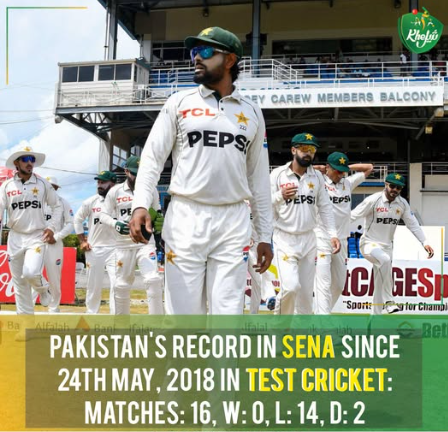
To recover from the setback caused by the departmental cricket shutdown, Azhar Ali and domestic experts advocate for a clear set of structural reforms:
- Commitment to a Hybrid Model: Permanently integrate corporate departments alongside regional associations to ensure both geographic representation and corporate funding.
- Lower Barrier of Entry for Departments: Reduce steep entry and participation fees so institutions like WAPDA can continue supporting sports teams.
- Minimum 3-Year System Guarantee: Maintain a single domestic structure for at least three to five years without major alterations.
- Focused Red-Ball Contracts: Offer specific multi-day cricket retainers to encourage young batters and bowlers to prioritize Test match preparation over short-format franchise leagues.
9. Frequently Asked Questions (FAQs)
What caused the departmental cricket shutdown in Pakistan?
The departmental cricket shutdown occurred in 2019 under a PCB domestic overhaul intended to replace corporate teams with a purely regional six-team structure modeled after Australian domestic cricket.
Why does Azhar Ali link the departmental cricket shutdown to Test losses?
Azhar Ali states that departmental cricket provided financial security and peer-to-peer mentorship from international veterans, both of which were lost after the departmental cricket shutdown.
Was departmental cricket ever brought back after 2019?
Yes, departmental cricket was reinstated for the 2023–24 season. However, recent rule changes and increased participation fees led legacy departments to exit again in 2026.
Which major teams left domestic cricket after the 2026 PCB fee increase?
WAPDA and Sahir Associates were removed from the PCB domestic season after declining to accept new regulatory terms and higher participation fees.
How many Test matches has Pakistan lost recently?
Pakistan has lost 13 of its last 18 Test matches, suffering away series losses in Australia and South Africa, as well as a home series defeat to Bangladesh.
How did the departmental cricket shutdown affect young players?
Without monthly salaries from departments, many young cricketers could not afford to continue playing in Pakistan, with several leaving the country to seek opportunities abroad.
Azhar Ali’s assessment of the departmental cricket shutdown highlights how domestic structural choices impact international performance. By stripping away corporate job security and generational knowledge transfer, the domestic game lost its strongest talent incubator. For Pakistan to rebuild its standing in World Test Championship cycles, the PCB must establish a stable domestic system that protects player livelihoods and restores the full strength of its departmental pipeline.
What are your thoughts on the departmental cricket shutdown? Should the PCB fully restore corporate teams? Share your views in the comments below!
Read more sports news and latest updates
Read more cricket news and latest updates