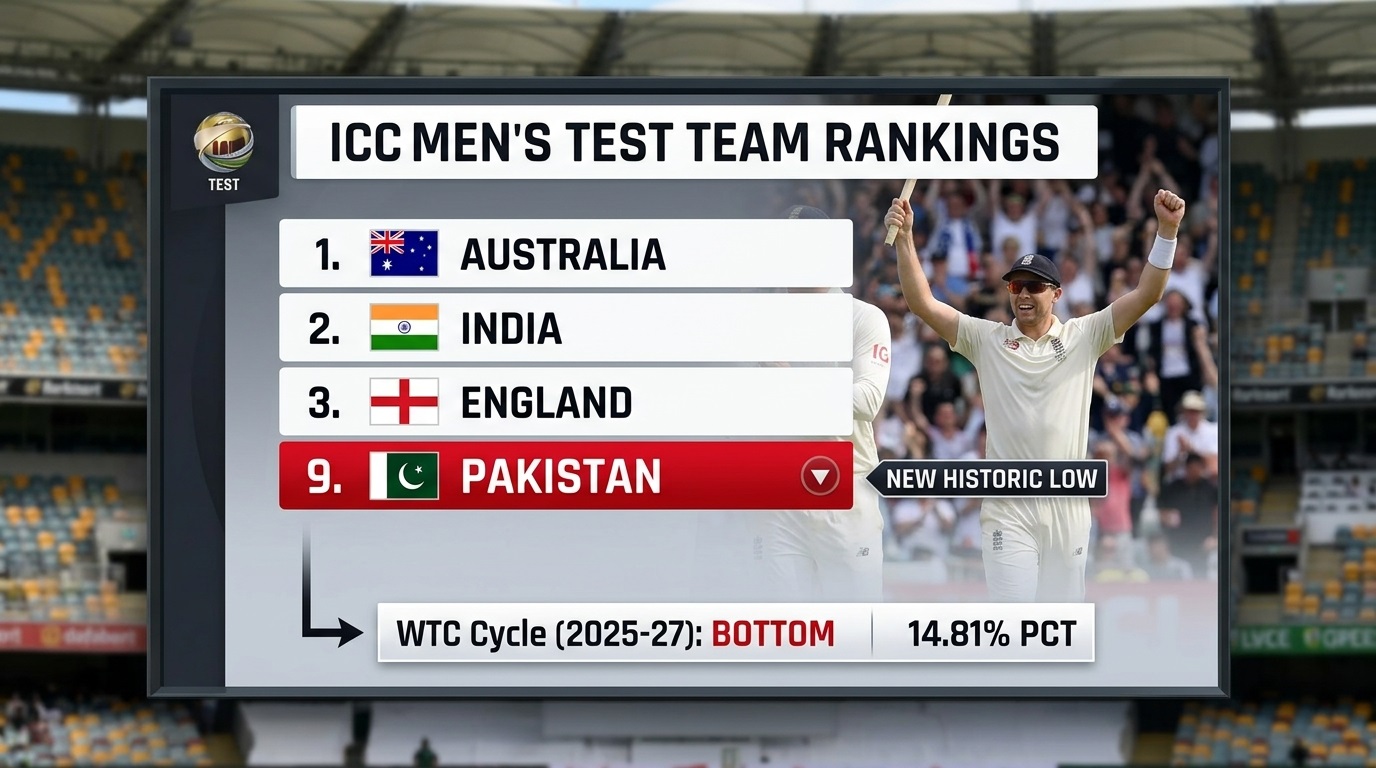
Pakistan cricket modern era: The landscape of international cricket has evolved drastically over the last decade. Teams are playing with an unprecedented level of aggression, utilizing advanced data analytics, and prioritizing hyper-specialized fitness regimens. Yet, while global giants continuously push the boundaries of scoring rates and tactical versatility, the Pakistan national cricket team seems anchored to an outdated blueprint.
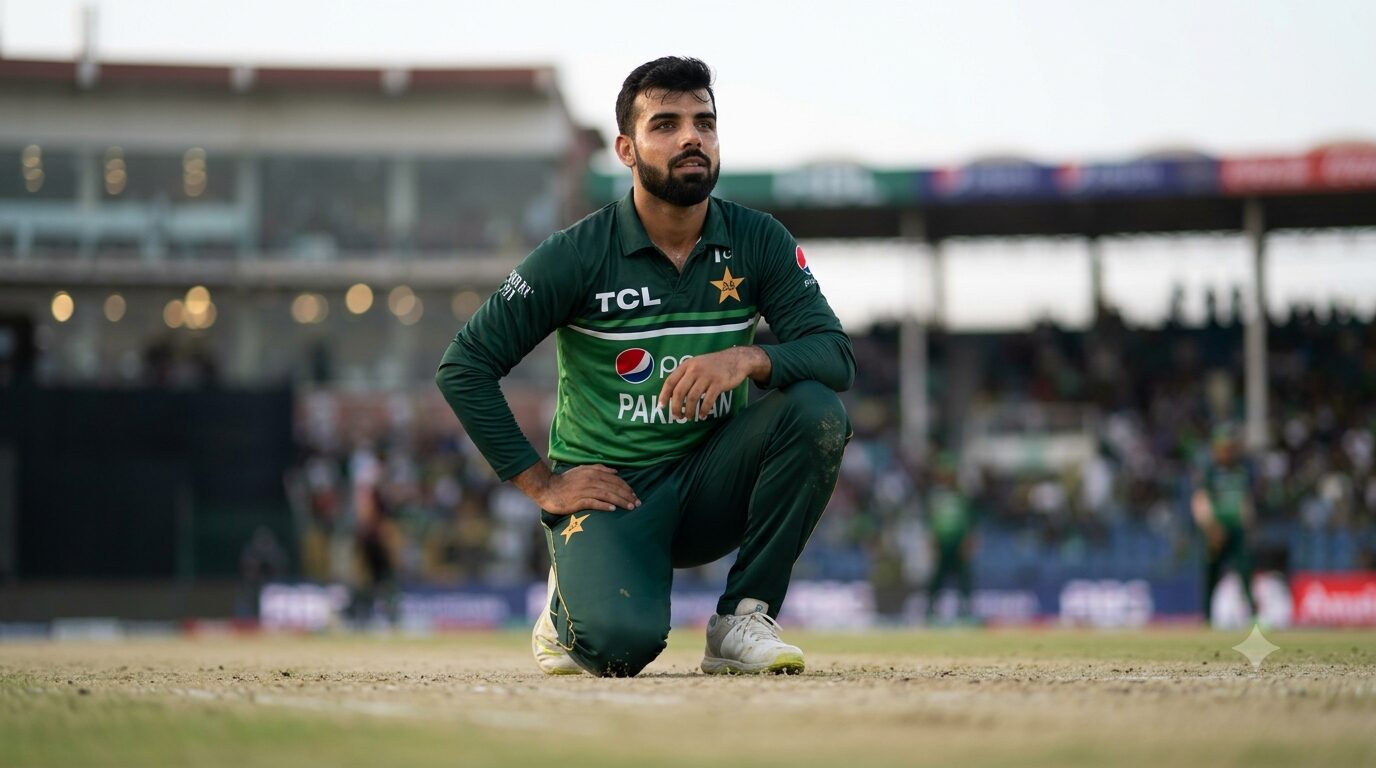
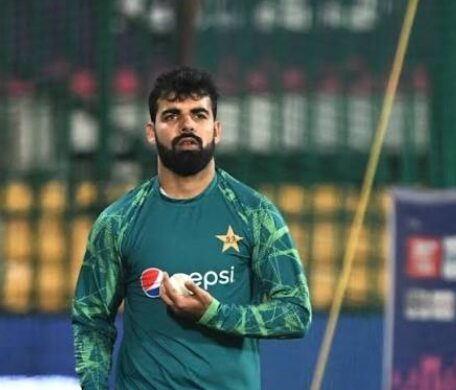
The Green Shirts have failed to capture a major global trophy since their historic 2017 ICC Champions Trophy triumph. This title drought has sparked countless debates among analysts and fans alike. Breaking the silence on this systemic stagnation, star all-rounder Shadab Khan recently shared a refreshingly blunt assessment of where the national setup is stumbling and what it truly takes to catch up.
Pakistan cricket Modern era:
The Core Problem: A Lack of Tactical Evolution
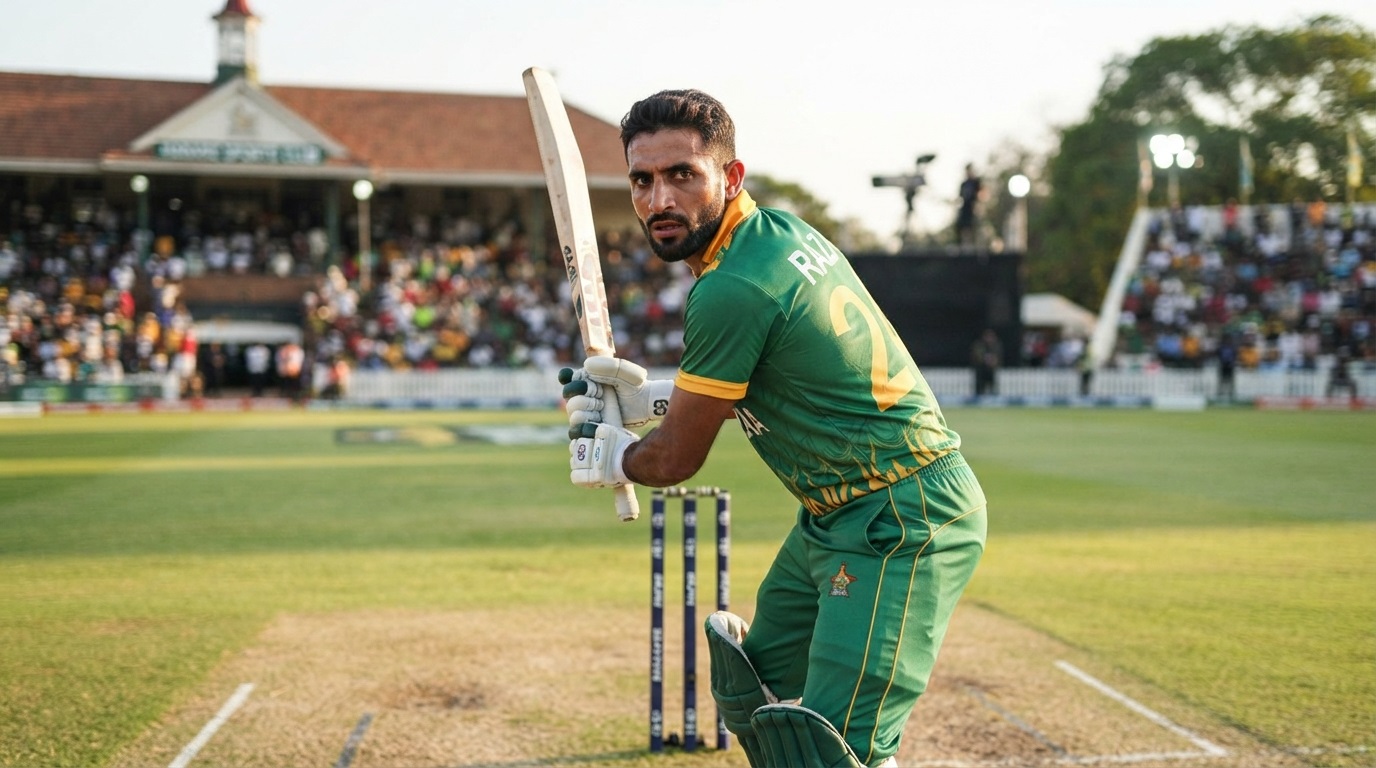
According to Shadab Khan, Pakistan’s primary obstacle isn’t a lack of raw athletic talent; rather, it is a failure to match the rapid tactical acceleration of the modern era. Across all three formats, the global baseline for strike rates, power-hitting, and dynamic fielding has risen dramatically. Pakistan, by contrast, has frequently relied on conservative anchor roles and traditional formulas that no longer yield consistent victories.
The first step toward fixing a problem is admitting it exists. Shadab khan highlighted that a culture of self-awareness has finally started to take root within the national dressing room.
“I feel we are quite far behind the way modern-day cricket is being played, and we still haven’t caught up to it,” Shadab openly admitted. “I think we first need to accept that, and only then can we try to adapt to it.”
This admission of a structural deficit represents a massive shift. For years, Pakistani cricket management often masked tactical shortcomings behind individual flashes of brilliance. By explicitly acknowledging this lag, the current generation of players is laying the necessary groundwork for long-term reform.
Navigating the Road to Systemic Recovery
Fixing deep-seated structural issues within a national sports system cannot happen overnight. Trying to completely overhaul a team’s playing style in a single series often leads to erratic performances and a loss of player confidence.
Shadab advocates for a measured, evolutionary blueprint over radical, sudden changes.
- The Staged Approach: Rebuilding tactical infrastructure must be treated like climbing a staircase—taking one calculated step at a time.
- Avoiding Unforced Errors: Rushing the transition or demanding players completely change their natural instincts overnight inevitably leads to catastrophic missteps.
- Systemic Realignment: Modernization requires aligning domestic cricket conditions, coaching standards, and data usage with international benchmarks.
Deconstructing the Overwhelming Weight of the India-Pakistan Rivalry
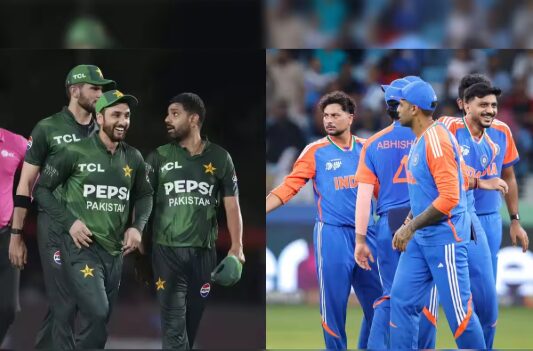
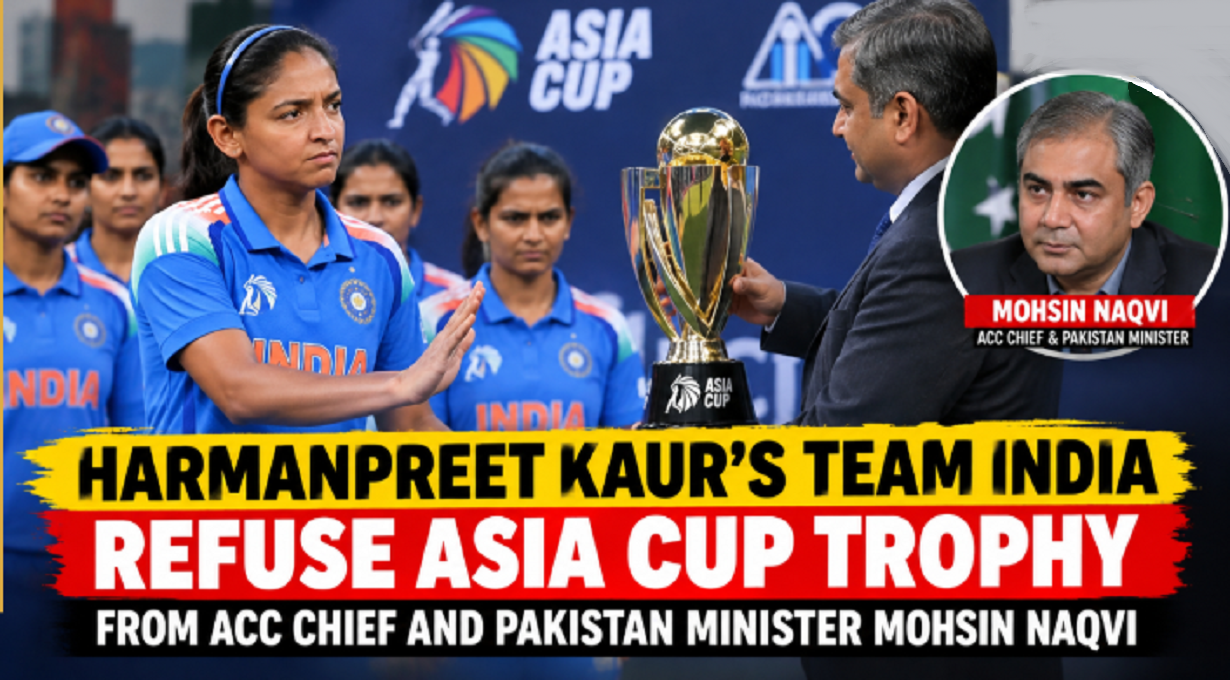
Another critical element holding the team back is the psychological toll of high-stakes matches, most notably the fierce rivalry against India.
Since Pakistan’s historic 10-wicket thrashing of India during the 2021 ICC Men’s T20 World Cup, their fortunes against their neighbors have completely inverted. The Green Shirts have dropped 11 out of their subsequent 12 white-ball encounters against India.
According to Shadab, the sheer emotional intensity surrounding these fixtures frequently disrupts emotional stability and warps the team’s broader tournament strategy.
| The Rivalry Mindset Pitfall | The High-Performance Reality |
| Viewing the India match as the definitive metric of a tournament’s success or failure. | Treating every single group-stage match with identical tactical focus and preparation. |
| Letting a singular emotional result derail subsequent tactical planning. | Keeping long-term tournament qualification goals completely separate from individual match outcomes. |
| Playing under extreme, paralyzing fear of public backlash. | Implementing a process-driven approach focused strictly on execution. |
“Sometimes it feels like if you win the India match, you’ve won the World Cup, and if you lose it, you’ve lost the World Cup,” Shadab reflected. He emphasized that treating it as “just another match” is crucial for emotional stability and consistent execution.
A New Era of Leadership: Babar Azam Returns to the Helm
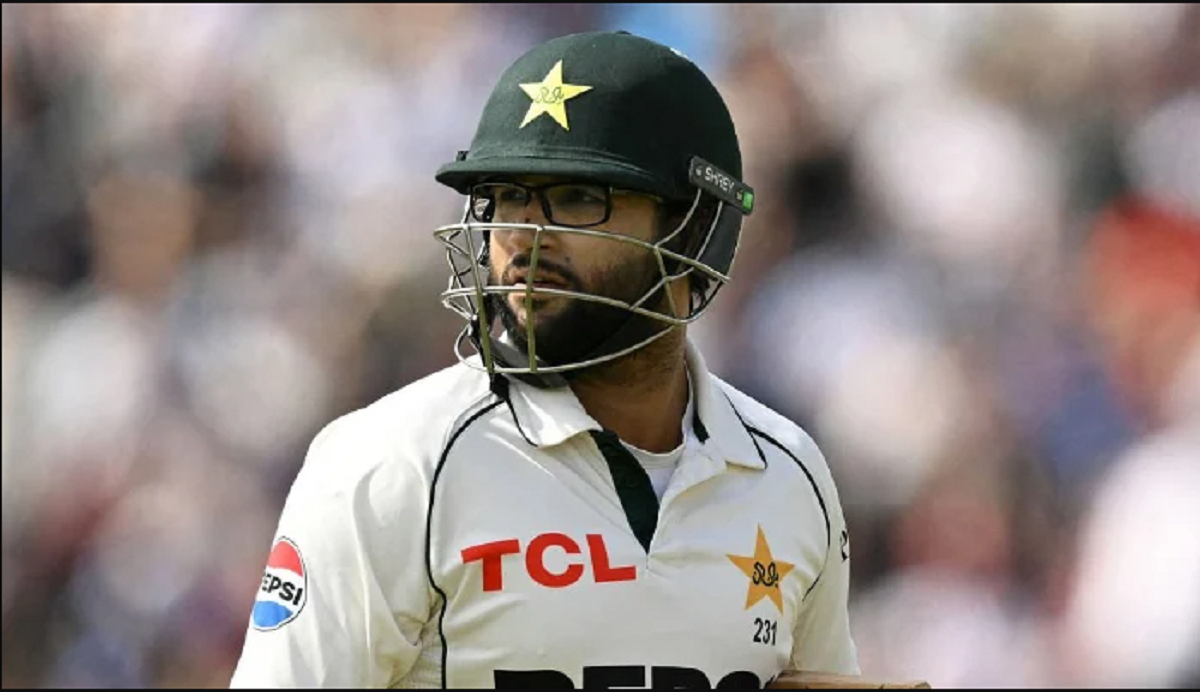
In a bid to restore stability to the Test format, the Pakistan Cricket Board recently initiated a significant leadership transition. Star batsman Babar Azam has returned to guide the Test squad, replacing Shan Masood following a challenging away series defeat against Bangladesh.

Babar’s second stint as Test captain begins immediately with a crucial two-match away series against the West Indies. This change signals a desire for proven leadership to anchor a transitioning squad.
Shadab expressed full confidence in his longtime teammate’s capacity to guide the team back to winning ways:
“I think this will be a good change for Pakistan. Best wishes to him and the whole team that they win in the West Indies,” Shadab noted, underscoring the collective hope that fresh leadership can help translate tactical theory into on-field victories.
9. Frequently Asked Questions
What exactly does “modern-day cricket” mean in this context?
Modern-day cricket refers to the highly aggressive, analytically driven style of play dominant in global cricket today. It prioritizes rapid scoring rates (strike rates), fearless power-hitting from the very first ball, highly flexible bowling variations, and exceptional athletic standards in the field.
Why has Pakistan struggled to adapt to modern cricket tactics?
The delay stems from a combination of factors: domestic pitches that do not replicate international bounce and speed, conservative tactical philosophies at the management level, and a slower integration of advanced data analytics compared to teams like England or Australia.
How does the India vs. Pakistan rivalry affect tournament outcomes?
The immense media and public pressure can create an all-or-nothing psychological environment. If the team wins, complacency can creep in; if they lose, the intense criticism often dampens morale for the remainder of a tournament.
What role will Babar Azam play in modernizing the Test team?
As captain, Babar Azam is tasked with instilling a more proactive mindset in the longer format. This involves balancing traditional defensive techniques with aggressive field settings and encouraging bat-speeds that keep the scoreboard moving.
Can domestic cricket structure solve this modern-day deficit?
Yes, domestic reform is vital. Preparing faster pitches, utilizing modern analytical tools at the grass-roots level, and ensuring domestic coaches teach modern game scenarios are essential steps to prepare young talent for international demands.
10. Conclusion
Pakistan cricket finds itself at an undeniable crossroads. The raw pace, natural spin variations, and batting talent remain as abundant as ever. However, as Shadab Khan accurately pointed out, talent without modern application is no longer enough to win on the global stage.
The path forward requires a unified commitment to tactical evolution, a healthy psychological detachment from external pressures, and a patient, step-by-step rebuilding of the team’s foundational philosophy. With an acceptance of these flaws and a reset under Babar Azam’s leadership, the Green Shirts possess every tool necessary to bridge the gap and reclaim their status as elite world competitors.
What do you think is the single most important change Pakistan cricket needs to make to catch up? Let us know your thoughts in the comments below!
Read more cricket news and latest updates