


World Cup Transfer Fees Reach 3 Billion Record High: The international football transfer market experienced an unprecedented financial surge following the conclusion of the FIFA World Cup. Global football governing body FIFA confirmed that international transfer spending topped previous historical records during the mid-year window, propelled primarily by elite international performers.
According to FIFA’s official mid-year report, players who competed at the tournament generated over $3.3 billion in World Cup transfer fees during the summer window. This figure represents over a third of the total $9.89 billion spent globally across all international men’s football transfers. Over 260 tournament participants representing 47 nations secured transfers to new clubs, proving that modern recruitment strategies remain heavily influenced by top-tier international competitions.


+-----------------------------------------------------------------------+
|                 GLOBAL SUMMER TRANSFER WINDOW AT A GLANCE             |
+------------------------------------+----------------------------------+
| Total Global Expenditure           | $9.89 Billion                    |
| World Cup Player Share             | $3.30 Billion (33.3% of Total)    |
| Total Men's International Transfers| 12,500+ Registered Deals         |
| Transferred World Cup Players      | 260+ Players across 47 Nations    |
| Top Spending National Association  | English Clubs ($3.02 Billion)    |
+------------------------------------+----------------------------------+
Understanding how this market capital flows requires evaluating player valuation inflation, league-specific spending power, and the surging growth of the women’s transfer ecosystem.
The Economic Engine Behind World Cup Player Valuations
International tournaments serve as global micro-samples that dramatically shift financial market dynamics. When players perform under intense global scrutiny, acquiring clubs frequently assign a premium valuation to their demonstrated resilience and peak athleticism.


Key Financial Insight: The “Tournament Premium Effect” routinely inflates short-term player valuations by 20% to 40% immediately following a successful World Cup campaign, driving urgency among top European suitors.
The primary factors accelerating World Cup transfer fees include:
- Scouting Risk Reduction: Direct competition against elite national teams acts as a stress-test for talent, confirming a player’s ability to execute under pressure.
- Commercial & Branding ROI: Acquiring a standout international star boosts shirt sales, global sponsorship reach, and social media engagement overnight.
- Squad Upgrading Urgency: Clubs competing across multiple domestic and European competitions leverage post-tournament momentum to secure immediate tactical depth.
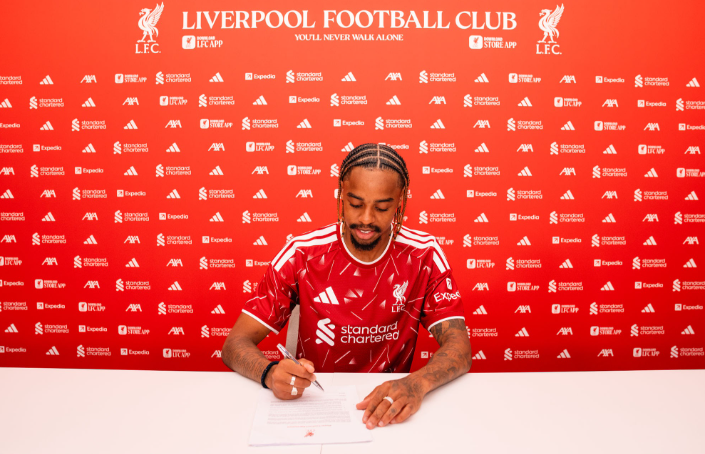
The summer window saw Spain’s World Cup-winning campaign directly impact high-level club recruitment. Premier examples included Spain midfielder Rodri’s major transition from Manchester City to Barcelona, alongside French winger Bradley Barcola’s move from Paris Saint-Germain to Liverpool.

Global Spending Distribution & League Breakdown
While transfer activity occurred across all continents, financial capital remained heavily concentrated within traditional European powerhouses. English clubs led all international markets, spending $3.02 billion on men’s international transfers alone.
| League / Country Jurisdiction | Total Summer Spending | Share of World Cup Transfer Fees | Primary Strategic Focus |
| English Premier League | $3.02 Billion | ~42% | Immediate starter acquisitions & marquee depth |
| Spanish La Liga | $890 Million | ~21% | Elite tactical anchors & tournament winners |
| Italian Serie A | $640 Million | ~12% | Value acquisitions & structured loan-to-buys |
| German Bundesliga | $510 Million | ~9% | Young international talent development |
| Rest of the World | $4.83 Billion | ~16% | Emerging market exports & regional building |
The dominance of English clubs reflects their unmatched broadcasting revenues and commercial scale. By absorbing over 30% of total global transfer spending, English teams continue to set price benchmarks across European football.
Exponential Growth in Women’s Football Transfers
The summer window delivered historic structural milestones for women’s professional football. Total international transfer spending in the women’s game more than doubled compared to 2025, reaching $28.6 million.
Key indicators of this expansion include:
- Record Transaction Volume: FIFA recorded 1,406 international transfers in women’s professional football, representing a 19.2% increase year-over-year.
- English Market Leadership: English women’s clubs accounted for $8.0 million in direct international transfer fees, setting the benchmark for commercial investment.
- Contract Professionalization: Longer multi-year contracts with defined release clauses are becoming standard practice, ensuring clubs receive proper transfer compensation when players move.
This growth highlights how women’s football is building a sustainable, multi-tiered transfer market where club investments generate measurable capital returns.
Mitigating Risk in Post-Tournament Transfers
While post-tournament transfer windows offer high-upside acquisitions, they also carry elevated financial risk. Clubs that overpay based on short tournament samples frequently struggle with long-term roster flexibility and profit-and-loss balances.
Strategic Framework for Football Directors
                       POST-TOURNAMENT SCOUTING PIPELINE
                                       │
     ┌─────────────────────────────────┴─────────────────────────────────┐
     ▼                                                                   ▼
[ SHORT-TERM TOURNAMENT DATA ]                         [ LONG-TERM DOMESTIC METRICS ]
  • High-intensity pressing                              • 30+ game consistency
  • Big-match performance                                • Tactical adaptability
  • Physical durability                                  • Wage-to-revenue fit
     │                                                                   │
     └─────────────────────────────────┬─────────────────────────────────┘
                                       ▼
                       [ COMBINED VALUATION AUDIT ]
                                       │
                      ┌────────────────┴────────────────┐
                      ▼                                 ▼
             { MARKET ALIGNMENT }             { INFLATION WARNING }
               Proceed to Bid                   Restructure / Walk
To optimize success, leading analytics departments deploy three crucial safeguards:
- Multi-Year Domestic Baseline: Weighting 30-game domestic season data over 6-game tournament bursts to evaluate true core capability.
- Tactical Fit Simulations: Modeling how a player’s physical and technical profile adapts to the club’s specific tactical system.
- Amortization Structuring: Spreading fixed transfer fees across 5-year contracts with conditional performance-based add-ons to protect capital.
Frequently Asked Questions
How much was generated in World Cup transfer fees during the summer window?
Over 260 players who competed at the FIFA World Cup generated more than $3.3 billion in international transfer fees during the summer window. This accounted for over one-third of the total $9.89 billion spent globally across all men’s international transfers.
Which country spent the most on international football transfers?
English clubs spent the most during the summer window, accounting for $3.02 billion in men’s international transfer fees and $8.0 million in women’s professional football transfers. This spending maintained England’s position as the dominant financial market in global club football.
Why do player transfer fees increase significantly after the World Cup?
Transfer fees spike after the World Cup due to increased global visibility, reduced perceived scouting risk, and immediate commercial demand. Performers prove their abilities on the highest international stage, prompting elite clubs to pay premium valuations to secure proven talent.
How many total international transfers were registered in the mid-year window?
FIFA registered more than 12,500 international transfers in men’s professional football during the mid-year window. This set a global record for both overall transaction volume and total financial expenditure in a single transfer period.
How rapidly is the women’s football transfer market growing?
The women’s football transfer market grew rapidly during the summer window. International transfer spending more than doubled year-over-year to $28.6 million across 1,406 registered transfers, marking a 19.2% increase in total movement over previous records.
How do elite clubs avoid overpaying for World Cup stars?
Elite clubs avoid overpaying by combining tournament analysis with multi-year domestic performance data. Scouting departments use advanced metrics, tactical fit simulations, and structured performance-add-ons within contract negotiations to mitigate short-term valuation inflation risks.
The record-breaking summer window confirmed that international tournaments remain the single largest economic accelerator in professional sports. With over $3.3 billion in World Cup transfer fees driving a total market spend of $9.89 billion, player valuations have reached historic levels across both men’s and women’s football.
Clubs that successfully navigate this environment will balance immediate tournament-driven ambition with rigorous data analysis, ensuring long-term financial stability while competing at the highest level.
Stay ahead of global football business trends by subscribing to our sports finance newsletter, downloading our quarterly transfer market analytics report, and sharing your analytical insights in the comments section below.
Read more football news and latest updates