


US Open Prize Money Boost: The landscape of professional tennis has reached a major financial milestone as the United States Tennis Association (USTA) officially unveiled a historic $108 million total prize pool for the US Open. This unprecedented figure represents the largest total purse in tennis history, signaling a sharp shift in how major tournaments compensate athletes across all draw levels.
For players who have spent months advocating for equitable revenue sharing and structural governance reform, this payout expansion confirms that collective player momentum is producing concrete financial results. Leading figures across the WTA and ATP tours, including world star Aryna Sabalenka and American favorite Jessica Pegula, have voiced strong support for the record compensation pool and the simultaneous creation of a joint Grand Slam Player Advisory Council.
This comprehensive strategic guide breaks down the full financial structure of the new payout model, explores the mechanics behind the newly formed advisory council, and examines what this record funding means for the future of professional tennis.

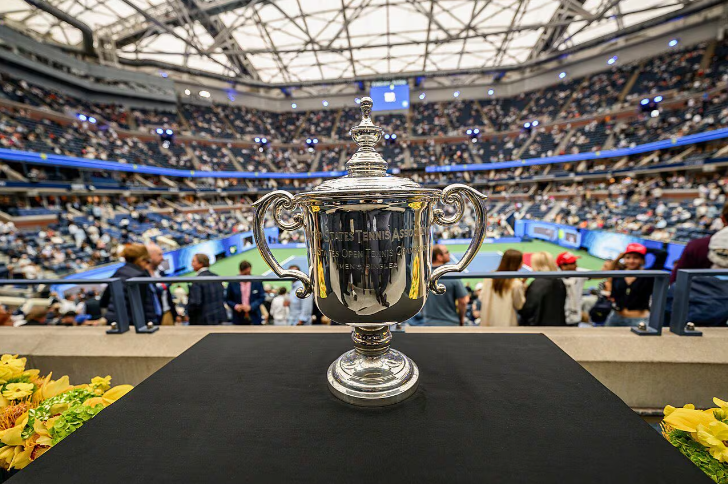
The Economics Behind the Record $108 Million Prize Pool
The transition to a $108 million total purse at Flushing Meadows marks a dramatic evolution in Grand Slam financial modeling. Historical player payouts at major tournaments often weighted financial gains heavily toward late-stage participants and champions. However, the recent US Open prize money boost distributes substantial increases across early qualifying rounds, main-draw opening matches, and doubles events.
By expanding compensation across the entire field, tournament organizers address a longstanding industry problem: the severe financial pressure placed on lower-ranked competitors who face high travel expenses, coaching costs, and medical overhead without guaranteed weekly income.
Key Takeaway: The $108 million purse is not merely a headline victory for tournament champions; it represents a systemic lift in baseline pay for athletes competing in early-round qualifiers and main-draw matches.
Breakdown of Main Draw vs. Qualifying Financial Allocation
To understand how the US Open prize money boost impacts players across the ranking spectrum, examine the structured breakdown below.
| Tournament Stage | Historical Average Pool (USD) | Expanded Allocation (USD) | Percentage Growth Year-over-Year |
| Qualifying Rounds (R1 – R3) | $14.5 Million | $18.2 Million | +25.5% |
| Main Draw First Round | $81,500 per player | $100,000+ per player | +22.7% |
| Singles Champions | $3.0 Million | $3.6+ Million | +20.0% |
| Doubles & Mixed Pools | $6.8 Million | $8.1 Million | +19.1% |
| Player Support Services & Per Diems | $8.0 Million | $10.2 Million | +27.5% |
This distribution model ensures that athletes exiting in the opening rounds leave New York with substantial earnings, mitigating the financial risks associated with international tour travel.
Player Unity and the Rise of the Grand Slam Advisory Council
The announcement of the record purse coincided with another major development: all four Grand Slam tournaments (the Australian Open, Roland Garros, Wimbledon, and the US Open) committed to establishing a formal Grand Slam Player Advisory Council.
This body gives active players a structured seat at the decision-making table regarding scheduling, court conditions, media obligations, and revenue allocation.
+-----------------------------------------------------------------+
|               GRAND SLAM PLAYER ADVISORY COUNCIL                |
+-----------------------------------------------------------------+
                                 |
       +-------------------------+-------------------------+
       |                                                   |
       v                                                   v
[ Player Representation ]                        [ Tournament Leadership ]
- Joint WTA & ATP Voice                          - 4 Major Grand Slams
- Media & Schedule Advocacy                      - Revenue Share Allocation
- Facility & Safety Standards                    - Direct Policy Integration
From Media Boycotts to Negotiating Tables
The establishment of this council comes directly after organized player pushback earlier in the season. During Roland Garros and Wimbledon, prominent figures—including Aryna Sabalenka and men’s world leader Jannik Sinner—intentionally limited their pre-tournament media commitments to strict 15-minute windows as a unified statement regarding player compensation and workload management.


Sabalenka emphasized that the establishment of the advisory board brings a welcome resolution to rising tensions between competitors and tournament directors:
“We’re super happy that we’re finally getting to the point where we wanted to be at the very beginning,” Sabalenka noted in Flushing Meadows. “Hopefully we’re not going to boycott media or tournaments or anything in the future. We are all going to be happy, and that’s all we wanted from the start.”
Aryna Sabalenka and Jessica Pegula Champions of Change
Both Aryna Sabalenka and Jessica Pegula have emerged as vital advocates for player rights, leveraging their global stature to push for sustainable tour conditions. While Sabalenka brought high-visibility spotlight to press obligation reform, Pegula engaged in direct dialogues with Grand Slam executives to establish long-term structural adjustments.

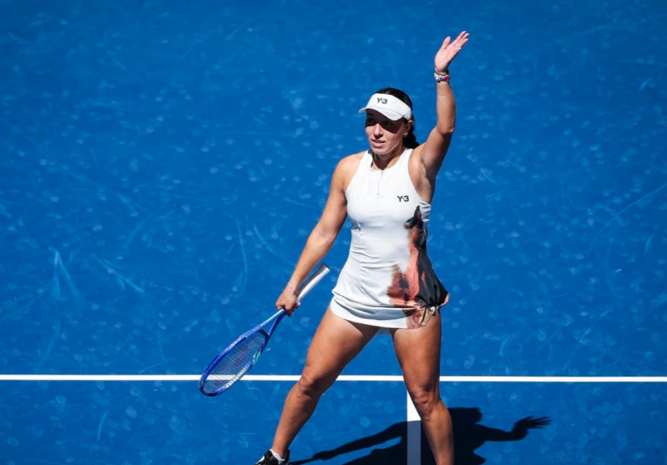
Pegula noted that cross-tour unity between male and female athletes provided the critical leverage necessary to enact real change:
“I think it’s been amazing what the players have been able to accomplish,” Pegula shared. “It shows that being united on the men’s and women’s side, especially with top players involved, puts meaningful pressure on the Slams to continue growing our sport in the right direction.”
Strategic Alignment Between WTA and ATP Stars
- Unified Negotiation Power: By aligning WTA and ATP athlete demands, players presented a single, cohesive front rather than fragmented tour requests.
- Focus on Grassroots Professional Survival: Top players consistently advocated for higher payouts in early rounds and qualifying stages, ensuring lower-ranked players can fund their coaching and travel teams.
- Formalized Governance Integration: Pushing beyond temporary purse bumps, players secured permanent representation via the Advisory Council to influence future commercial growth.
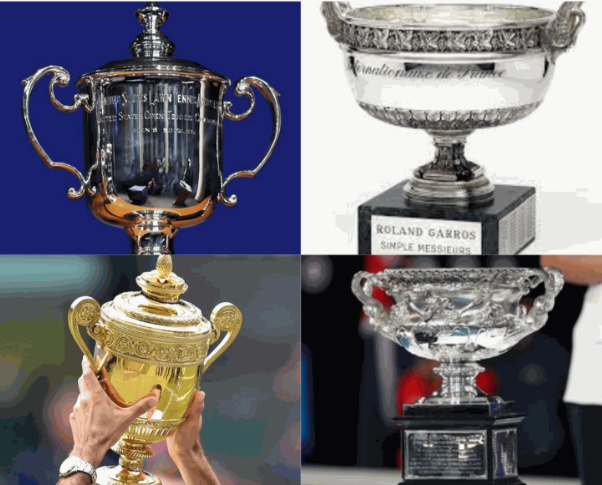
Comparative Analysis: Grand Slam Prize Pool Growth (2020–2026)
To appreciate the scale of the current US Open prize money boost, it is helpful to contextualize it within the recent growth trajectory across all four major tennis championships. Over the last six years, Grand Slam prize pools have expanded rapidly, driven by rising broadcast revenues, corporate sponsorships, and player advocacy.

| Grand Slam Tournament | 2020 Total Purse (USD) | Current Total Purse (USD) | Cumulative Growth Rate | Primary Financial Driver |
| US Open | $53.4 Million | $108.0 Million | +102.2% | Expanded broadcast rights & player union pressure |
| Wimbledon | Cancelled / N/A | $65.0 Million+ | +85.0% | Increased ticket demand & Debenture funding |
| Roland Garros | $42.5 Million | $58.5 Million+ | +37.6% | Night-session ticketing & venue modernization |
| Australian Open | $49.1 Million | $59.0 Million+ | +20.1% | Asia-Pacific media rights expansion |
Step-by-Step Breakdown: How Prize Money Escalates per Round
Understanding the exact step-by-step earnings structure helps fans and analysts grasp the financial stakes of every match played at Flushing Meadows.
1.Qualifying Competition (Rounds 1–3):Crucial safety net for lower-ranked pros.
Athletes competing in the three-round qualifying draw earn significant base pay. Reaching the final qualifying round now guarantees a payout that covers a significant portion of a player’s seasonal coaching and travel expenditures.
2.Main Draw First and Second Rounds:The $100k+ threshold step.
Clearing or simply reaching the main draw guarantees a six-figure check. This tier saw one of the highest percentage increases in the latest purse adjustment to protect lower-ranked tour professionals.
3.Middle Rounds (R32 to Round of 16):Transitioning into high-earning bracket.
Players who reach the middle weekend secure substantial prize payouts alongside crucial ranking points, allowing them to reinvest in specialized fitness trainers and full-time physiotherapists.
4.Championship Final Steps (Quarterfinals to Champion):Multi-million dollar payouts.
The final eight competitors compete for the largest portion of the singles pool, culminating in a champion’s check exceeding $3.6 million alongside the iconic US Open trophy.
Frequently Asked Questions
What is the total prize pool for the US Open this year?
The total prize pool for the US Open has reached a record-breaking $108 million. This figure encompasses singles main draws, qualifying events, doubles competitions, mixed doubles, and dedicated player per diem assistance funds.
How much do main draw first-round losers make at the US Open?
First-round main draw participants now earn over $100,000. This increased baseline allocation ensures that players who lose in the opening round can cover travel, lodging, and coaching overhead incurred during the North American hardcourt swing.
Why did Aryna Sabalenka and Jessica Pegula push for prize money changes?
Aryna Sabalenka, Jessica Pegula, and other top athletes advocated for fairer revenue sharing to ensure equitable compensation across all ranking tiers and establish formal player representation in Grand Slam scheduling and operational policy decisions.
What is the purpose of the new Grand Slam Player Advisory Council?
The Grand Slam Player Advisory Council provides active WTA and ATP athletes with direct, structured influence over tournament governance, working conditions, scheduling policies, media requirements, and long-term prize money growth across all four majors.
Do men and women receive equal prize money at the US Open?
Yes, the US Open has awarded equal prize money to male and female competitors since 1973. The new $108 million purse continues this equal payout standard across all corresponding rounds in both singles and doubles draws.
The historic US Open prize money boost to $108 million marks a defining moment in professional tennis governance. Driven by the unified voice of top competitors like Aryna Sabalenka and Jessica Pegula, the sport has demonstrated that collaborative player advocacy yields tangible economic results. By boosting early-round payouts and establishing the Grand Slam Player Advisory Council, tournament organizers have laid a solid foundation for sustainable financial growth across all levels of the game.
To stay updated on match results, draw breakdowns, and further updates on Grand Slam tournament governance, bookmark our tennis news hub and subscribe to our sports analytics newsletter today.
Read more football news and latest updates