


Pakistan is set to host the South Asian Games hosting schedule from April 3 to April 11, marking a monumental return of regional multi-sport competitions to the nation after 23 years. The decision was officially ratified by the Executive Committee of the South Asia Olympic Council during a high-level summit chaired by Pakistan Olympic Association President Arif Saeed.

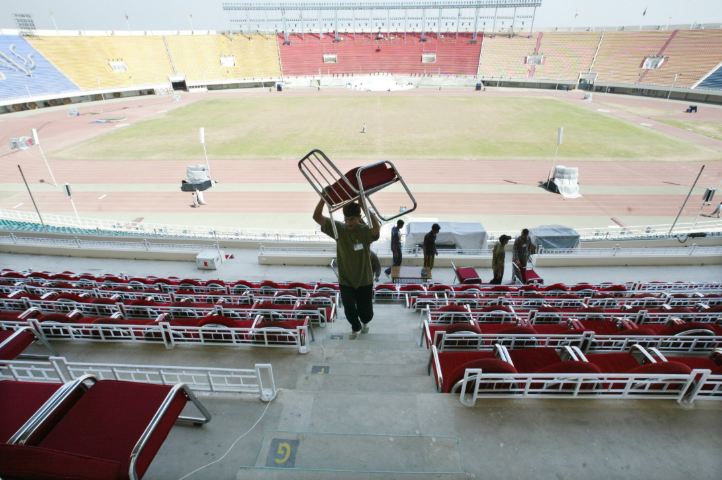
The upcoming games mark the third time Pakistan has taken on hosting duties for the region, having previously organized successful editions in 1989 and 2004.
By expanding venue footprints beyond a single capital city, organizers are leveraging infrastructure across Islamabad, Lahore, and Peshawar to manage over 4,000 incoming foreign delegates, officials, and athletes.
Strategic Venue Distribution: Tri-City Hosting Model
Organizing a regional event of this scale requires careful venue planning. Rather than concentrating competition within one city, the organizing committee established a tri-city hosting blueprint to distribute athletic traffic and utilize existing specialized facilities.
Host City Allocations and Sport Profiles
- Islamabad (Central Hub & Ceremonies): Serving as the core operational center, the federal capital hosts main track and field events, swimming aquatic disciplines, combat sports, and the opening/closing ceremonies at the Pakistan Sports Complex.
- Lahore (Heritage & High-Volume Field Sports): Equipped with established sports complexes, Lahore takes charge of field hockey, cricket, squash, and indoor ball games.
- Peshawar (Regional Combat & Racket Sports): Peshawar’s modernized sports facilities host specialized martial arts disciplines, volleyball, and regional racquet tournaments.
| Host City | Primary Venue Cluster | Selected Disciplines | Athlete Capacity |
| Islamabad | Pakistan Sports Complex / Jinnah Stadium | Athletics, Aquatics, Gymnastics, Taekwondo | ~2,000 |
| Lahore | Nishtar Park Sports Complex | Field Hockey, Squash, Table Tennis, Badminton | ~1,200 |
| Peshawar | Hayatabad Sports Complex | Volleyball, Karate, Judo, Wrestling | ~800 |
This decentralization reduces congestion in the capital while giving international delegations broad exposure to Pakistan’s diverse sporting infrastructure.
Event Metrics and Delegation Planning
The scale of the event requires synchronized execution across sports federations. The South Asia Olympic Council approved a massive competitive lineup designed to test top regional talent across Olympic and traditional sports.
Total Foreign Delegates & Athletes : ~4,000
Total Participating Nations       : 8 (SAOC Members)
Total Sporting Disciplines        : 28
Total Medal Events                : 346
Approved Event Window             : April 3 – April 11
The federal government has pledged full diplomatic support and authorized financial disbursements to finalize facility refurbishments. Municipal bodies, including the Capital Development Authority, have initiated infrastructure upgrades, municipal beautification, and dedicated transit corridors to handle visitor traffic.

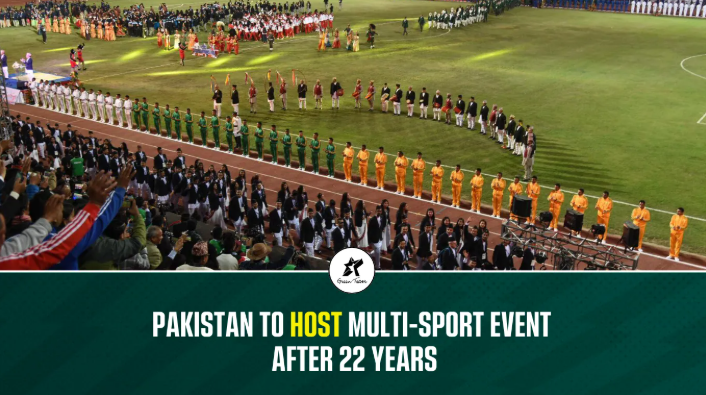
Historical Perspective: Pakistan’s Host Legacy
Understanding the significance of the South Asian Games hosting schedule requires looking back at Pakistan’s long relationship with regional sports management.
1989 (4th SAF Games) ──► 2004 (9th SAF Games) ──► Upcoming Edition
  Islamabad Hub            Modernized Venues        Tri-City Decentralized Model
  7 Nations                8 Nations                8 Nations
  10 Sports                14 Sports                28 Sports
Key Milestones in Pakistan’s Hosting History
- 1989 (4th South Asian Federation Games): Held entirely in Islamabad, establishing the Pakistan Sports Complex as a regional landmark.
- 2004 (9th South Asian Games): Expanded participation parameters, modernized media broadcast infrastructure, and set record attendance numbers for regional track and field events.
- Upcoming Edition: The largest sporting footprint ever attempted in the country, doubling the total number of sporting disciplines from the 2004 edition.
Diplomatic Context and Cross-Border Participation
Securing unanimous approval for the South Asian Games hosting schedule required extensive diplomatic coordination among member nations. Representatives from Bangladesh, Maldives, Nepal, and Sri Lanka attended executive meetings in person, while Indian delegates participated via real-time digital link.
Operational Insight: Cross-border sports participation in South Asia often involves complex administrative pathways. While virtual confirmation marks positive progress, multi-agency protocols ensure smooth travel, security clearance, and visa processing for all incoming contingents.
The federal government, alongside the Ministry of Foreign Affairs, is monitoring venue security frameworks. Special accreditation systems and dedicated security envelopes will protect visiting teams from arrival to departure.
Infrastructure Upgrades and Civic Readiness
Preparing three cities for international visitors requires fast-tracking civic and athletic infrastructure projects.
Priority Infrastructure Tasks
- Athletic Track Refurbishment: Installing certified synthetic tracks in Islamabad and Lahore to meet international competition standards.
- Lighting & Broadcast Systems: Upgrading venue illumination to high-definition broadcast standards for international coverage.
- Athlete Village & Hospitality Logistics: Working with municipal authorities to secure top-tier accommodations and streamlined transport channels.
- Medical & Anti-Doping Units: Establishing dedicated sports medicine centers and sample testing workflows adhering to WADA guidelines.
Frequently Asked Questions
What is the official South Asian Games hosting schedule?
The South Asian Games hosting schedule runs from April 3 to April 11. The Executive Committee of the South Asia Olympic Council officially confirmed these dates during their regional planning assembly.
Which host cities in Pakistan will hold sports events?
Events will take place across three host cities: Islamabad, Lahore, and Peshawar. Islamabad serves as the principal hub for athletics and ceremonies, while Lahore and Peshawar manage specialized field, court, and combat sports.
How many sports and medal events are featured?
The games feature 28 distinct sports disciplines and 346 medal events. Over 3,200 athletes and nearly 4,000 total foreign delegates will participate across all venues.
When did Pakistan last host the South Asian Games?
Pakistan last hosted the South Asian Games in 2004 in Islamabad. The upcoming edition marks the return of the regional sports gala to the country after 23 years.
How are organizers managing athlete security and transport?
The federal government, Capital Development Authority, and local municipal bodies are establishing dedicated security rings, accreditation systems, and fast-track transit corridors for all visiting teams across the three host cities.
The South Asian Games hosting schedule stands as a landmark milestone for regional athletic development and international sports management in Pakistan. By bringing together 28 sports, 346 medal events, and thousands of top athletes across Islamabad, Lahore, and Peshawar, the event promises to revitalize regional sports rivalries and demonstrate national hosting capabilities.
To follow real-time updates on venue preparations, ticket releases, and event schedules, stay connected with official announcements from the Pakistan Olympic Association and local sports authorities.
Read more sports news and latest updates
Read more cricket news and latest updates