


Pakistan Football Reset: Pakistan football stands at a decisive crossroads. Decades of administrative turmoil, ad-hoc decision-making, and recurring turnover in leadership have kept the national team trapped in a cycle of restarts. When senior coach and former international striker Gohar Zaman called for an immediate Pakistan football reset, his statement resonated across the domestic sporting ecosystem. The core issue facing Pakistani football is not a lack of raw athletic talent; it is the structural refusal to build a sustainable, merit-based footballing ecosystem.
Without institutional stability, clear technical direction, and genuine grassroots development, short-term fixes will continue to fail. To compete consistently on the Asian stage and beyond, Pakistani football must transition from transactional interventions to a structured, long-term athletic strategy.

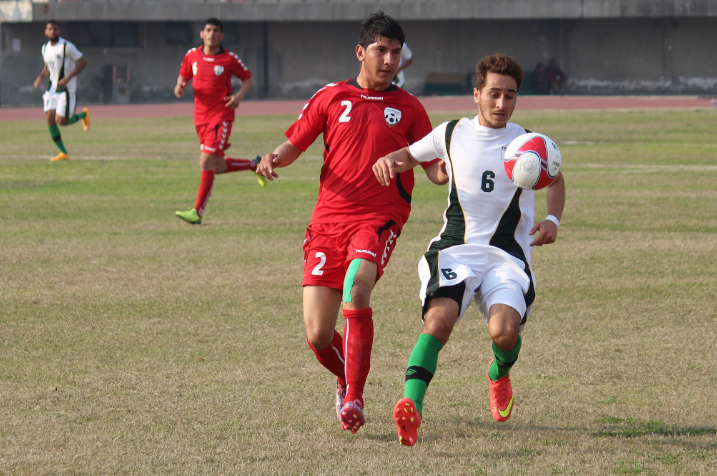
The Coaching Merry-Go-Round: Why Stability Beats Short-Term Fixes
Coaching stability forms the bedrock of any successful national football program. In modern football, a national coach does not merely select eleven players for a matchday squad; they establish a tactical identity, instil elite standards, and construct cohesive team dynamics.
When national team coaches are replaced after brief stints or single tournament cycles, national football reset efforts are erased, forcing squads to revert to square one.
“Coaching is not magic; it takes time to build a team. Spain is a great example of how consistency and a clear football philosophy can develop from youth level to the senior team.”— Gohar Zaman, Former Pakistan International & Senior Coach
The Cost of Frequent Tactical Pivots
Constantly changing national team coaches damages player progression and tactical execution in several distinct ways:
- Erosion of Tactical Familiarity: Players are subjected to conflicting managerial philosophies—moving from defensive low-blocks to high-pressing systems within months.
- Loss of Player Trust: Frequent coaching changes dilute authority and disrupt dressing room cohesion.
- Inability to Assess Genuine Progress: Short-term appointments force managers to prioritize immediate survival over integrating young talent or refining long-term tactical structures.
+-----------------------------------------------------------------------------------+
|                        THE COACHING TURNOVER Vicious CYCLE                         |
|                                                                                   |
|  [ Short-Term Fix ] ---> [ Sudden Turnover ] ---> [ Reset to Zero ]               |
|          ^                                                |                       |
|          |                                                v                       |
|  [ Impatient Expectations ] <--- [ Poor Tactical Cohesion ]                       |
+-----------------------------------------------------------------------------------+
Foreign head coaches, such as former Peruvian international Nolberto Solano, need complete tactical autonomy and sufficient time to adapt to Pakistan’s unique sporting landscape. External meddling or sudden backroom support changes—such as abrupt alterations to assistant and goalkeeping staff—undermine leadership right when preparations for major fixtures like the FIFA ASEAN Cup require consistency.
Technical Leadership and Merit-Based Governance
A successful Pakistan football reset depends directly on the integrity and competence of its technical leadership. In professional football associations worldwide, the Director Technical acts as the chief architect of a nation’s athletic vision. This position oversees coach education, youth pathways, tactical frameworks, and talent identification across all age brackets.
Qualifications vs. Commercial Interests
When key technical positions in football governance lack strict merit-based appointment criteria, systemic stagnation follows. Technical directors must possess proven credentials, high-level coaching qualifications, and an unyielding commitment to public player development rather than private enterprise.
| Governance Dimension | Commercial/Ad-Hoc Model | Merit-Based Systemic Model |
|---|---|---|
| Director Technical Role | Unclear qualifications, overlapping commercial ventures. | UEFA/AFC Pro License holders with proven technical expertise. |
| Academy Framework | Fee-collection modules (e.g., Rs 10,000/month per player). | Free, merit-driven regional talent centers backed by state/PFF funding. |
| Talent Identification | Restricted to affluent urban centers and private academies. | Nationwide scouting networks reaching rural and underprivileged talent. |
| Coach Appointment | Reactive, short-term contracts driven by administrative politics. | Multi-year contracts tied to structural KPIs and youth integration. |
The monetization of youth football through high-fee private academies creates an economic barrier that excludes vast pools of domestic talent. When academies prioritize collecting monthly subscription fees over elite player production, they operate as commercial ventures rather than true national development hubs.

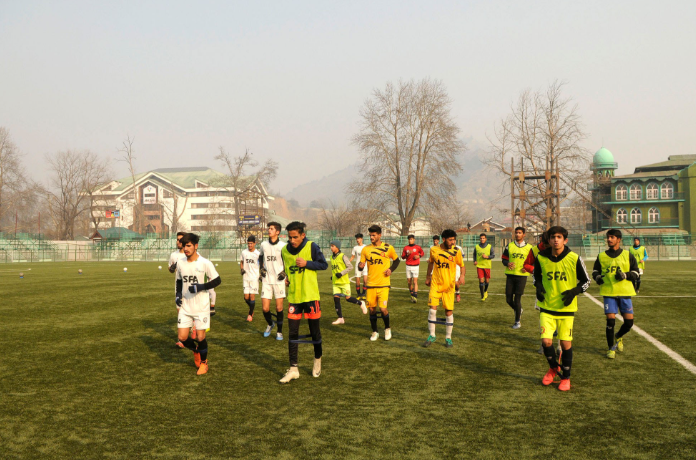
Grassroots Development: The Missing 8–14 Age Window
The most critical gap in Pakistan’s football infrastructure exists in early-childhood athletic development. In elite footballing nations, players spend their foundational years (ages 8 through 14) mastering core technical competencies: ball control, spatial awareness, tactical decision-making, and body position.
In Pakistan, organized competitive football often begins far too late. Without structured youth leagues during these formative years, young players miss out on vital skill development, leaving them at a technical disadvantage when step up to international football.

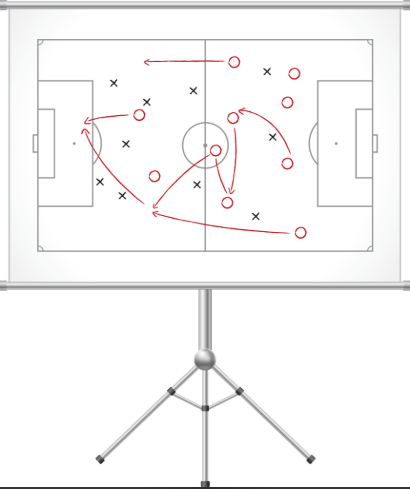
Key Pillars of a Modern Youth Pathway
To bridge this technical deficit, the Pakistan Football Federation (PFF) and regional associations must implement a standardized national curriculum focused on four core milestones:
- Age-Appropriate Skill Modules: Focus on small-sided games (5v5, 7v7) for ages 8–11 to maximize ball touches, progressing to full 11v11 match play by age 14.
- Standardized Grassroots Coaching: Educate and license local grassroots coaches to deliver modern, age-appropriate instruction across all provinces.
- Structured School & District Leagues: Replace sporadic tournament structures with year-round competitive league calendars.
- Equal Access Scouting: Establish open, non-fee-paying talent identification camps in football hubs like Lyari, Chaman, Malir, Gilgit-Baltistan, and Khyber Pakhtunkhwa.
Balancing Local Domestic Talent with Diaspora Players
Over recent years, Pakistan has increasingly called upon overseas-based diaspora players competing in European and lower-tier professional leagues. While diaspora footballers bring valuable experience, professional tactical discipline, and immediate squad quality, relying on them as a primary long-term strategy is incomplete.
                  +-----------------------------------+
                  |   BALANCED NATIONAL SQUAD MODEL   |
                  +-----------------------------------+
                                    |
            +-----------------------+-----------------------+
            |                                               |
            v                                               v
+-----------------------+                       +-----------------------+
|  DIASPORA PLAYERS     |                       |   DOMESTIC TALENT     |
|* Tactical maturity    |                       |  * Physical resilience|
|* Elite league background                      |  * High growth ceiling|
|* Immediate squad quality                      | *Sustained local roots|
+-----------------------+                       +-----------------------+
            |                                               |
            +-----------------------+-----------------------+
                                    |
                                    v
                  +-----------------------------------+
                  |  COHESIVE NATIONAL FOOTBALL TEAM  |
                  +-----------------------------------+
Creating Synergy Between Domestic and Overseas Talent
A sustainable Pakistan football reset requires integrating overseas talent while simultaneously strengthening domestic players. Overseas professionals should elevate squad standards and mentor local peers, but domestic players must receive the year-round competitive game time needed to earn their national team caps on merit.

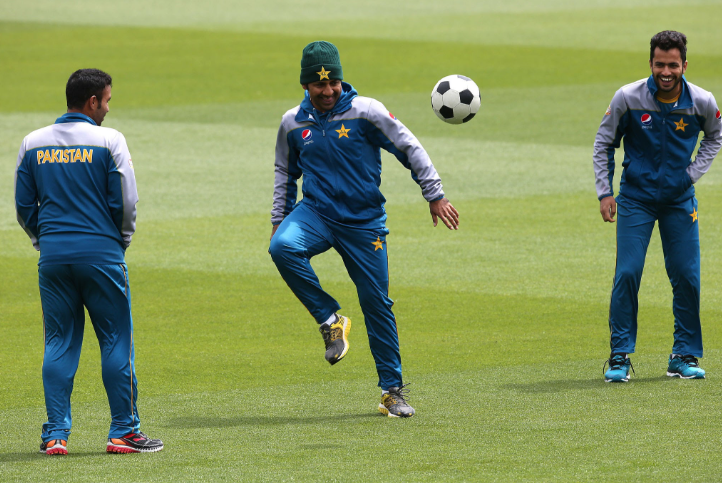
Without a functional, continuous domestic league system, locally based players face severe fitness and tactical handicaps during international duty. Re-establishing a regular national premier league provides local talent with the match sharpness required to compete alongside overseas-based players.
Upcoming Challenges: Preparing for the FIFA ASEAN Cup
With national team training camps assembling for upcoming international fixtures—including the FIFA ASEAN Cup against opponents like Thailand, Vietnam, and the Philippines—the immediate focus turns to match preparation.

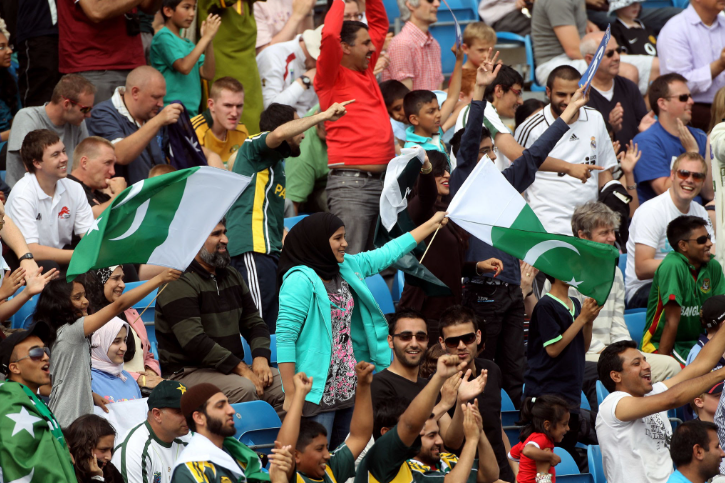
While off-pitch organizational issues remain, match outcomes are decided on the field. With structured preparation, tactical discipline, and strong team unity, Pakistan can push higher-ranked opponents and challenge for international results.
“Football is played on the pitch, not on paper. If Pakistan prepares properly, believes in itself and plays as a team, we can compete with anyone.”— Gohar Zaman
Frequently Asked Questions
What does a complete Pakistan football reset require?
A complete reset requires establishing a merit-based governance structure within the PFF, ensuring multi-year stability for national team coaches, creating free grassroots youth academies for ages 8–14, and running a year-round domestic premier league to develop local talent systematically.
Why is coaching stability so critical for the Pakistan national team?
Coaching stability allows managers to build a long-term tactical philosophy, build player chemistry, and establish professional team standards. Constantly changing coaches resets squad progress back to zero, preventing the team from building a clear tactical identity.
How do fee-charging private academies impact youth development in Pakistan?
High-fee private academies create economic barriers that exclude talented players from underprivileged backgrounds. Genuine youth development relies on free, merit-based regional academies focused on player identification and skill training rather than commercial fee collection.
Why is the 8–14 age group vital for Pakistani footballers?
The 8–14 age bracket is the critical developmental window for mastering ball control, tactical awareness, and motor skills. Missing structured coaching during these early years leaves players at a permanent technical disadvantage when competing internationally.
How should Pakistan balance diaspora and domestic players?
Diaspora players bring valuable experience from established international leagues, elevating immediate squad quality. However, long-term success requires pairing overseas talent with a strong domestic league that continuously develops and sharpens local players.
What are Pakistan’s prospects in the upcoming ASEAN Cup?
While facing tough opposition from established Asian nations like Thailand and Vietnam, Pakistan can achieve competitive results by ensuring focused camp preparation, maintaining coaching continuity, and executing a disciplined tactical plan on match days.
To rebuild Pakistan football into a competitive Asian sport program, administrators, coaches, and sports authorities must commit to structural reform. Short-term quick fixes and commercial shortcuts cannot replace the hard work of long-term planning.
Strategic Priorities for Structural Rebuilding
- Institute Technical Merit: Appoint fully qualified, independent technical directors with zero conflicts of interest with commercial academies.
- Guarantee Coaching Continuity: Grant national team managers multi-year contracts and complete tactical independence to implement their football philosophy.
- Fund Grassroots Pathways: Establish free, state and federation back regional youth centers targeting the crucial 8–14 age bracket across all provinces.
- Revive Domestic Football: Establish a predictable, year-round domestic league calendar to give local players continuous high-level match practice.
Pakistan possesses the passion, audience, and raw talent needed to build a thriving football program. Achieving that vision requires shifting focus away from temporary fixes and committing to a structured, merit-based Pakistan football reset.
Read more football news and latest updates