


Pakistan England 3rd Test Records: The 3rd Test match between Pakistan and England at Edgbaston, Birmingham, produced one of the most statistically challenging days for Pakistan’s Test side in recent memory. After being bundled out for just 133 runs in 33.5 overs during their initial turn at the crease, Pakistan conceded a 320-run first-innings deficit as England replied with a commanding 453 all out.
This deep-dive statistical analysis breaks down the major unwanted records conceded by Pakistan at Edgbaston, evaluates the tactical shifts during England’s innings, and examines the underlying technical factors that caused the top-order collapse.

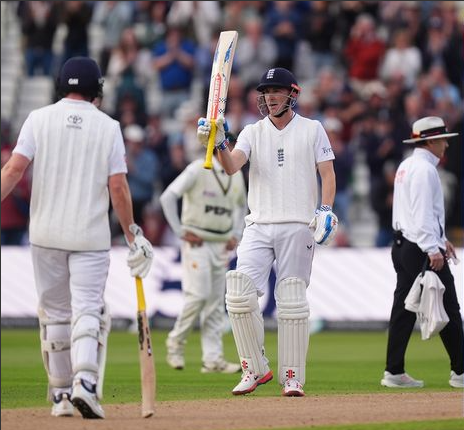
The Edgbaston Collapse: 133 All Out in 33.5 Overs
Pakistan’s decision to bat on a surface offering early moisture backfired dramatically against England’s seam attack. The trio of Josh Tongue, Jofra Archer, and Ollie Robinson utilized the atmospheric conditions masterfully, keeping the ball in areas that forced tentative defensive shots from the top order.
Key Match Metric: Pakistan’s first-innings duration of 33.5 overs marked one of their shortest completed Test innings on English soil, averaging less than 4 runs per wicket across the morning session.
Factors behind the batting failure:
- Relentless Pace and Bounce: Jofra Archer’s steep bounce from a hard length restricted scoring options through the off-side.
- Lateral Seam Movement: Josh Tongue extracted late deviation, accounting for three top-order wickets in his opening spell.
- Unforced Errors: Multiple dismissals occurred from tentative pushes outside the off-stump rather than defensive leaves.
Historical Deficit: England’s 320-Run First-Innings Lead
Conceding a 320-run lead in the first innings placed Pakistan in an extremely difficult situation to save the match. Historically, England has dominated home fixtures against Pakistan when establishing leads greater than 300 runs.
The table below outlines where this 320-run margin ranks among England’s largest first-innings leads against Pakistan in Test history:
| Rank | Venue | Year | First-Innings Lead (Runs) | Match Result |
| 1 | Trent Bridge, Nottingham | 1954 | 401 | England Won |
| 2 | Old Trafford, Manchester | 2016 | 391 | England Won |
| 3 | Lord’s, London | 2010 | 372 | England Won |
| 4 | Old Trafford, Manchester | 2006 | 342 | England Won |
| 5 | Edgbaston, Birmingham | 2026 | 320 | TBD |
This entry at Edgbaston marks the fifth time in Test history that England has accumulated a lead exceeding 300 runs in the first innings against Pakistan.
Lower-Order Resistance: Ollie Robinson’s Rapid Fifty
Adding to the statistical anomalies of the fixture, England’s lower order capitalized on a tiring bowling unit. Batting at number nine with the score at 331/7, Ollie Robinson struck a 47-ball half-century featuring seven boundaries and a six.

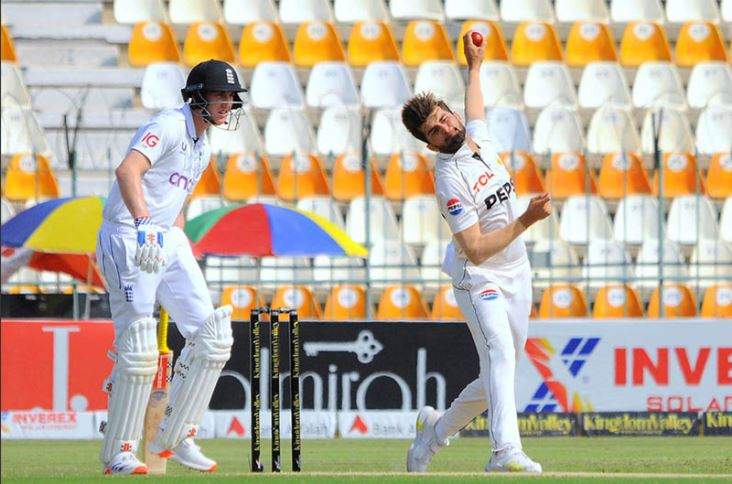
This performance broke a long-standing statistical gap for England against Pakistan:
- First Since 2010: Robinson became the first England batter listed at No. 9 or lower to score a Test half-century against Pakistan since Stuart Broad’s 169 at Lord’s in 2010.
- Counter-Attacking Rate: Robinson scored at a strike rate exceeding 100.00 during his half-century, pushing England’s total past the 450-run mark.
- Multi- Batter Contributions: Robinson was one of five English batters (alongside Emilio Gay, Harry Brook, Dan Lawrence, and Jamie Smith) to post fifty-plus scores in the innings.
Tactical Insight: Pakistan’s inability to clean up the tail efficiently allowed England to extend their lead from a manageable 200 runs to a commanding 320 runs, depleting the energy of the fast-bowling unit.
Statistical Breakdown of England’s First Innings

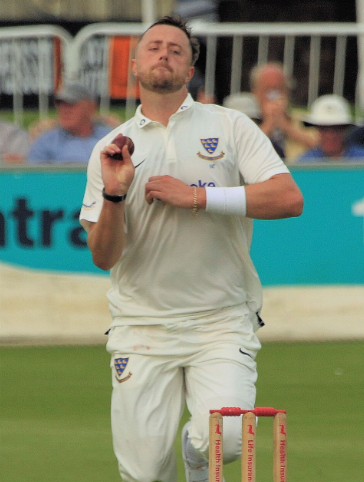
England’s total of 453 in 89 overs demonstrated aggressive run-scoring that compounded Pakistan’s early structural mistakes.
England First Innings Overview
├── Top-Order Platform: Half-centuries from Emilio Gay & Dan Lawrence
├── Middle-Order Acceleration: Harry Brook & Jamie Smith counter-attack
└── Lower-Order Flourish: Ollie Robinson (50 off 47 balls at No. 9)
Statistical Highlights:
- Overall Run Rate: England scored at 5.08 runs per over across 89 overs.
- Boundary Percentage: Over 52% of England’s total runs came via boundaries (fours and sixes).
- Partnership Depth: Four distinct partnerships exceeded 50 runs, reflecting continuous momentum throughout the innings.
Frequently Asked Questions
What are the main Pakistan England 3rd Test records set at Edgbaston?
Pakistan conceded their fifth-highest first-innings deficit (320 runs) against England in Test history. Additionally, Ollie Robinson became England’s first No. 9 or lower batter to score a Test half-century against Pakistan since Stuart Broad in 2010.
What was Pakistan’s lowest Test score against England at Edgbaston?
Pakistan was dismissed for 133 runs in 33.5 overs during the first innings of the 3rd Test at Edgbaston in 2026. This ranks among their shortest completed Test innings on English soil.
Who were the main wicket-takers for England in Pakistan’s first innings?
England’s pace attack was led by Josh Tongue, Jofra Archer, and Ollie Robinson. Together, the trio took quick wickets on Day 1 to dismantle Pakistan’s batting lineup within 34 overs.
What is England’s highest first-innings lead over Pakistan in Test cricket?
England’s largest first-innings lead against Pakistan is 401 runs, set at Trent Bridge in 1954. The 320-run lead at Edgbaston in 2026 ranks fifth on the all-time list.
How many England batters scored half-centuries in the Edgbaston Test?
Five England batters reached fifty-plus scores in the first innings: Emilio Gay, Harry Brook, Dan Lawrence, Jamie Smith, and lower-order bowler Ollie Robinson.
The 3rd Test at Edgbaston highlighted clear tactical and technical challenges for Pakistan in away seam conditions. Conceding a 320-run first-innings lead—the fifth-largest against England in Test history—and allowing lower-order runs illustrate areas requiring immediate technical recalibration. Moving forward, structural adjustments in seam-friendly conditions, disciplined leave-awareness outside off-stump, and clearer plans against opposition tailenders remain essential for improved Test performances in away series.
To follow detailed match charts, ball-by-ball analysis, and upcoming series schedules, visit the official ICC match center and track complete squad statistics.
Read more sports news and latest updates
Read more cricket news and latest updates