


The ongoing Pakistan Cricket Coaching Crisis reached a boiling point following consecutive Test losses against England, triggering an unprecedented mid-series administrative overhaul. Former Test head coach Jason Gillespie issued a scathing critique directed at chairman of selectors Aaqib Javed, calling for self-reflection and accountability in PCB selection governance.
This analysis details the administrative disruptions, player psychological impacts, and core governance failures currently affecting the national setup.


The Boiling Point: Gillespie Criticizes Selection Management
Former Australia fast bowler Jason Gillespie, who led Pakistan to a memorable 2-1 Test series victory against England in 2024, publicly criticized the current selection framework under Aaqib Javed. Speaking to The Australian, Gillespie highlighted severe communication gaps and inconsistent team selection policies.
“From the outside, it looks like they are playing with fear. They change their mind like they change their pants—daily. Javed needs to look at himself in the mirror.” — Jason Gillespie
Gillespie rejected assertions blaming previous international coaching staff for recent performance declines, emphasizing that administrative responsibility rests with long-serving selection leadership.
+-------------------------------------------------------------------------------+
|                       PCB Administrative Shockwave                           |
+-------------------------------------------------------------------------------+
|  1. Mid-Series Sackings  -->  Sarfaraz Ahmed (Head Coach) & Umar Gul (Pace)  |
|  2. Squad Reductions    -->  7 Players Sent Home Mid-Tour from England        |
|  3. Interim Leadership  -->  Mike Hesson & Ashley Noffke Take Immediate Charge|
+-------------------------------------------------------------------------------+
Mid-Tour Overhaul: Sacking Coaches and Players Mid-Series
Pakistan’s 2026 Test tour of England witnessed rapid decisions following heavy defeats in the opening matches:
- Headingley (1st Test): Defeat by an innings and 103 runs.
- Lord’s (2nd Test): Defeat by 194 runs.
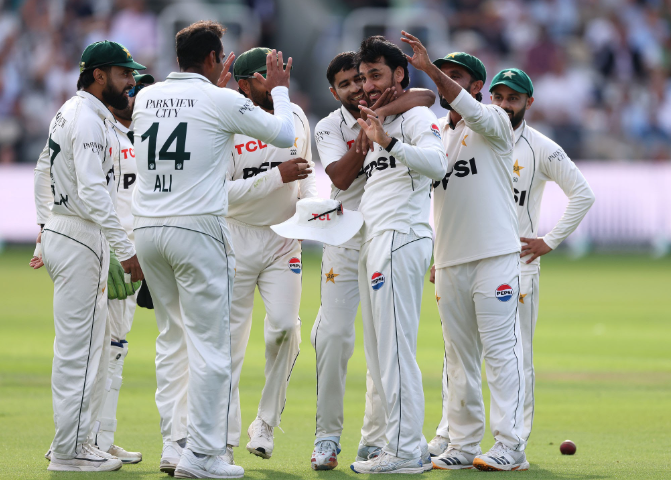
Following these results, head coach Sarfaraz Ahmed and pace-bowling coach Umar Gul were relieved of their duties. Simultaneously, seven squad members were removed from the touring party prior to the third Test at Edgbaston.

Player Insecurity and Communication Breakdown
A central aspect of Gillespie’s critique involved player management during high-stakes series. The case of all-rounder Salman Ali Agha illustrates the current selection fluidity:
- First Test: Appointed match captain.
- Second Test: Omitted from the playing XI.
- Third Test: Released from the squad and sent home.
Reports indicate that several departing players learned of their squad exclusion through media coverage and secondary contacts rather than direct internal briefings. This lack of structured communication has drawn criticism from cricket analysts globally.
Structural Comparison: Selection Governance Models
The frequent shifts in team selection contrast sharply with established operational structures seen in top Test-playing nations.
| Governance Indicator | Standard Elite Setup (Aus / Eng) | Current PCB Setup | Impact on Performance |
| Selection Horizon | 12 to 24-month roadmap | Match-to-match alterations | High player insecurity |
| Communication | Direct coach-to-player protocol | Media-first disclosures | Disrupted squad morale |
| Coaching Tenure | Defined 3-year cycles | Mid-series terminations | Loss of tactical continuity |
| Accountability | Joint selection board | Centralized committee decisions | Blame shifting across tenures |

Widespread Reaction Across the Cricket Community
The sudden restructuring generated widespread commentary across international cricket circles:
- Mickey Arthur (Former Head Coach): Described the mid-tour coaching removals as an “absolutely ridiculous situation” that damages long-term team building.
- Shahid Afridi & Shoaib Malik (Former Captains): Expressed concern over the absence of a unified selection vision and clear administrative communication.
- Mike Hesson (White-Ball Coach): Stepped in as interim Test head coach alongside Ashley Noffke, noting that players must adjust quickly amidst ongoing administrative changes.
Historical Context: The Pattern of Short-Term Coaching Tenures
The current turmoil reflects broader structural instability within the PCB over recent years. Frequent changes in board leadership have routinely led to rapid turns in selection policy and coaching personnel.
       [2024] Jason Gillespie & Gary Kirsten Appointed
                            │
                            ▼
       [2025] Shift to Local Coaching Staff & New Selectors
                            │
                            ▼
       [2026] Mid-Series Sacking of Sarfaraz Ahmed / Umar Gul
                            │
                            ▼
       [Present] Interim Charge Under Mike Hesson
Without long-term contract security and a clear separation between selection boards and team management, national squads struggle to build consistent match strategies.
Practical Blueprint for Structural PCB Reform
Addressing the recurrent Pakistan Cricket Coaching Crisis requires systemic structural adjustments:
- Establish Contractual Security: Guarantee fixed minimum tenures for international head coaches to execute long-term tactical plans.
- Standardize Selection Protocols: Enforce strict communication policies where players receive formal written and verbal feedback prior to public media releases.
- Separate Selection from Coaching Execution: Define clear boundaries between the selection board’s mandate and on-field tactical management.
- Implement Transparent Evaluation Metrics: Assess team performance based on full multi-series cycles rather than isolated match outcomes.
Frequently Asked Questions
What caused the Pakistan Cricket Coaching Crisis during the 2026 England tour?
The crisis was triggered by back-to-back heavy defeats at Headingley and Lord’s, leading the PCB selection committee to sack head coach Sarfaraz Ahmed and pace coach Umar Gul mid-series, while sending seven players home before the final Test.
Why did Jason Gillespie criticize Aaqib Javed publicly?
Jason Gillespie criticized Aaqib Javed for erratic selection decisions, a lack of long-term strategy, poor communication with players, and shifting blame onto previous international coaches despite serving as chairman of selectors for two years.
Who took over coaching duties after Sarfaraz Ahmed was removed?
New Zealander Mike Hesson, already serving as Pakistan’s white-ball coach, assumed head coaching responsibilities for the remainder of the Test tour, assisted by Australian coach Ashley Noffke.
How were players notified of their removal from the Test squad?
According to statements by former coach Jason Gillespie, several dropped players were not informed directly by the selection board, learning about their release through media reports, friends, and family.
How did Salman Ali Agha’s role change during the Test series?
Salman Ali Agha captained Pakistan in the first Test at Headingley, was dropped from the playing XI for the second Test at Lord’s, and was subsequently released from the tour party before the third Test.
The recent administrative decisions during the England Test tour highlight systemic vulnerabilities within Pakistan cricket governance. Addressing the ongoing Pakistan Cricket Coaching Crisis requires moving away from reactive mid-series dismissals toward transparent communication, structural stability, and long-term planning. Restoring clarity to selection protocols remains essential for player confidence and international competitiveness.
Read more sports news and latest updates
Read more cricket news and latest updates