


Pakistan Asian Games Medal Prospects: Pakistan approaches the upcoming Asian Games in Japan facing a stark sporting reality. Once a dominant continental power in field hockey, athletics, squash, and boxing, the nation now enters major multi-sport competitions with its podium expectations anchored to a small cohort of elite athletes.
The struggle is not due to a lack of raw athletic talent. Rather, systemic delays in organizing high-performance training camps, funding constraints, governance friction, and the absence of long-term grassroots development programs continue to hinder national preparations.
Understanding Pakistan Asian Games medal prospects requires a deep dive into the historical trendlines, discipline-specific readiness, administrative bottlenecks, and actionable structural solutions needed to reverse this decline.

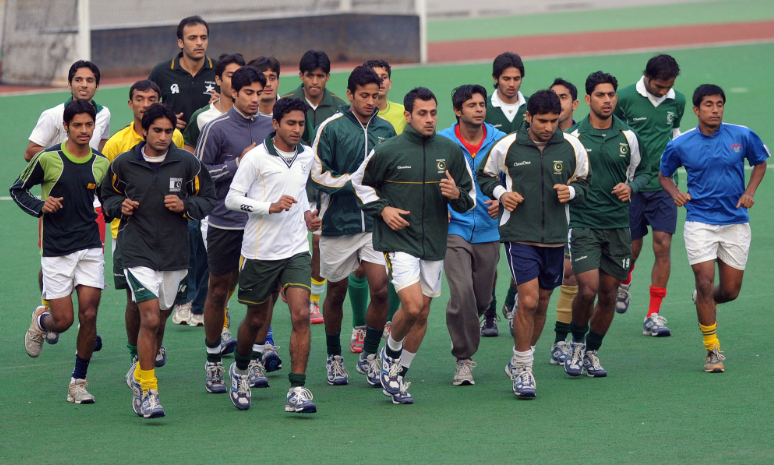
1. Historical Context: Tracking the Continental Decline
Pakistan’s continental sports footprint has contracted significantly over the past two decades. A comparative look at recent Asian Games campaigns demonstrates how the nation’s medal yield has shifted from multi-discipline dominance to reliance on isolated individual brilliance.
| Asian Games Edition | Gold | Silver | Bronze | Total Medals | Key Performing Disciplines |
|---|---|---|---|---|---|
| Incheon 2014 | 1 | 1 | 3 | 5 | Women’s Cricket (Gold), Hockey (Silver), Kabaddi, Boxing, Wushu |
| Jakarta 2018 | 0 | 0 | 4 | 4 | Athletics (Javelin), Kabaddi, Squash, Karate |
| Hangzhou 2022/23 | 0 | 1 | 2 | 3 | Team Squash (Silver), Shooting, Kabaddi |
| Aichi-Nagoya (Upcoming) | TBD | TBD | TBD | Projected 3-5 | Athletics, Squash, Shooting, Kabaddi, Cricket |
During the late 20th century, Pakistan routinely secured multi-gold medal tallies driven by its world-class hockey teams, legendary squash players, and powerhouse boxers. Modern international sports, however, have transitioned toward high-tech biomechanical training, specialized sports science, nutrition management, and year-round international competition exposure. As competing Asian nations modernized their elite sports ecosystems, Pakistan’s administrative frameworks struggled to keep pace.
2. Discipline-by-Discipline Assessment for Japan
Despite persistent administrative challenges, several Pakistani athletes continue to perform at world-class standards through individual determination and targeted international coaching.
Athletics: The Javelin Factor
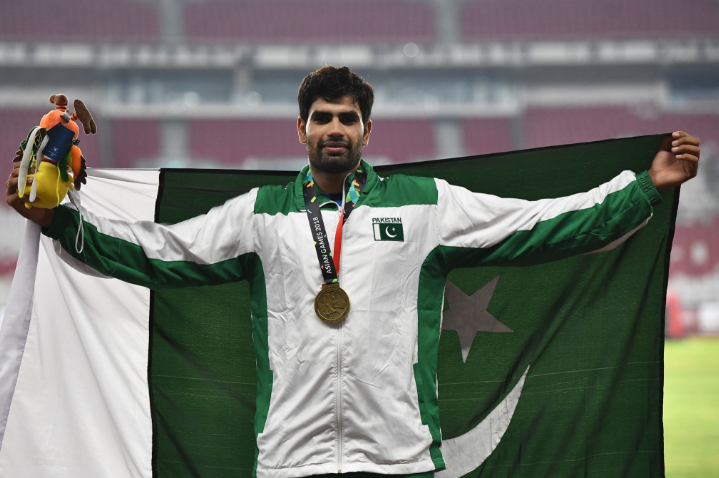
Olympic champion Arshad Nadeem remains Pakistan’s primary gold medal candidate on the continental stage. His historical gold-medal-winning throw of 92.97m at the Paris Olympics demonstrated world-class capability.
Key Performance Indicator: Arshad Nadeem’s recovery from periodic injury setbacks and access to elite medical management will determine whether Pakistan secures top honors in athletics.

Shooting: Precision Discipline Gains Momentum
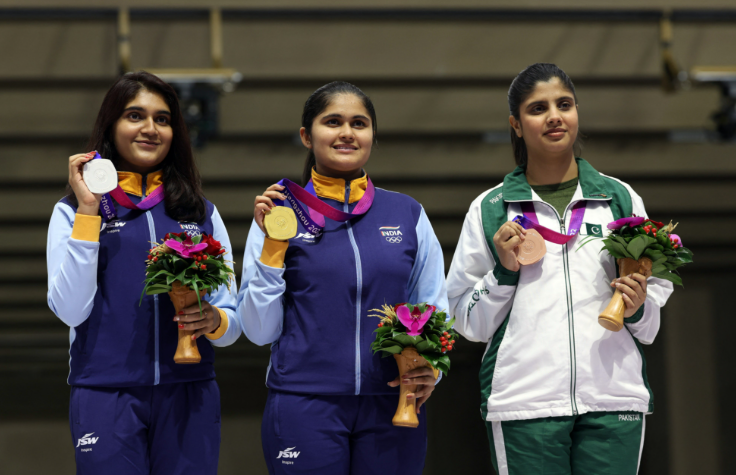
Shooting has emerged as a bright spot for Pakistan Asian Games medal prospects. Kishmala Talat made history at the Hangzhou Asian Games by capturing Pakistan’s first-ever continental medal in shooting (Bronze in Women’s 10m Air Pistol). Joined by experienced international competitors such as 25m Rapid Fire Pistol specialist Ghulam Mustafa Bashir and Col Farrukh Nadeem, the shooting contingent represents a steady podium contender.

Squash: Rebuilding Continental Prominence
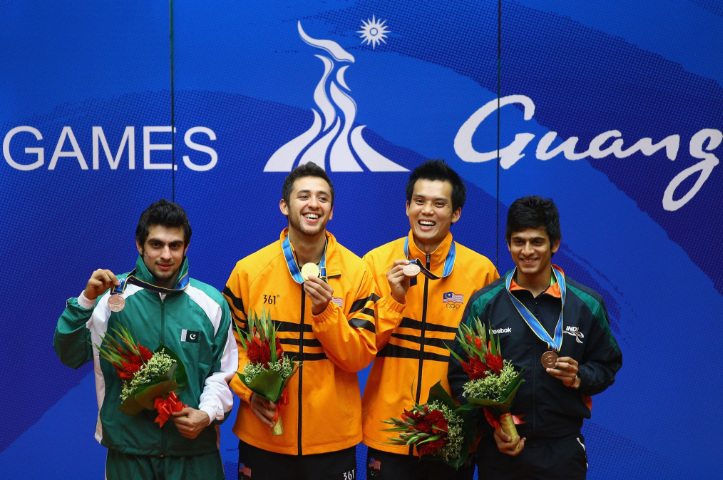
Squash continues to provide realistic podium opportunities for Pakistan. Following a team Silver medal at the Hangzhou Games, rising talents such as Noor Zaman and Nasir Iqbal lead the national challenge. Continuous exposure to Professional Squash Association (PSA) tour tournaments remains vital for maintaining match sharpness ahead of the Games.

Field Hockey: Restoration Efforts Underway
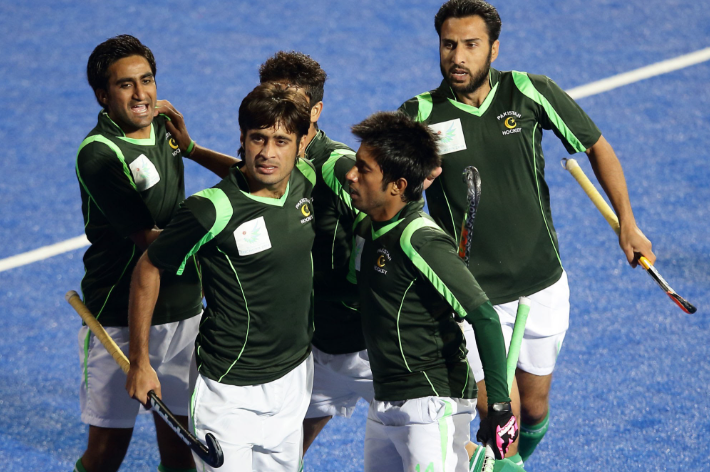
Once three-time Olympic champions and eight-time Asian Games gold medalists, the Pakistan hockey team faces a demanding path back to the top. Following an 11th-place finish at the World Cup, the Pakistan Hockey Federation (PHF) has initiated targeted preparation programs, including preparatory tours and camps in South Korea, to refine tactical structures and physical conditioning prior to kickoff in Japan.

Traditional & Contact Sports: Kabaddi, Boxing, and Martial Arts
- Kabaddi: Pakistan has maintained a consistent podium presence in Kabaddi, securing Bronze medals in recent editions. The national team remains a strong candidate for a medal finish.
- Boxing & Wushu: Female boxer Fatima Zehra’s historic bronze performance at the Commonwealth level highlights emerging potential, though intense competition from East and Central Asian boxing powerhouses presents a tough test.
- Weightlifting & Wrestling: Institutional suspensions and lack of international exposure have limited weightlifting prospects, while wrestling faces formidable competition from Olympic-caliber opponents across Asia.
3. Structural Governance Challenges Impacting Readiness
To understand why Pakistan Asian Games medal prospects remain constrained, one must examine the institutional bottlenecks that regularly delay athletic preparations.
       [ Funding Delays & Policy Uncertainty ]
                         │
                         ▼
       [ Delayed National Training Camps ]
                         │
                         ▼
       [ Limited Exposure to International Competition ]
                         │
                         ▼
       [ Inconsistent Athletic Podium Results ]
- Short-Term Training Cycles: While rival nations operate four-year Olympic and Asian Games cycles, national camps in Pakistan are frequently announced only weeks prior to major events, leaving insufficient time for physical peak conditioning.
- Infrastructure and Sports Science Deficits: Modern sports demand specialized biomechanical analysis, dedicated sports psychologists, and high-performance recovery equipment. Local facilities often lack contemporary high-performance upgrades.
- Institutional Coordination Gaps: Friction between sports governance bodies, federations, and funding organizations leads to administrative delays in issuing travel allowances, securing equipment, and hiring foreign coaches.
4. Strategic Framework for National Sports Recovery
Rebuilding Pakistan Asian Games medal prospects requires shifting from short-term emergency camps to a sustainable high-performance athletic model.
+-----------------------------------------------------------------------------------+
|                        NATIONAL SPORTS REFORM FRAMEWORK                           |
+-----------------------------------------------------------------------------------+
|  1. DECENTRALIZED TALENT IDENTIFICATION                                           |
|     - Establish regional high-performance academies in schools and universities.  |
|     - Fund talent search programs across rural and urban hubs.                    |
+-----------------------------------------------------------------------------------+
|  2. SUSTAINED ATHLETE FUNDING & CONTRACTS                                         |
|     - Award multi-year central contracts for top-tier national athletes.          |
|     - Guarantee medical coverage, scientific nutrition, and stipend security.     |
+-----------------------------------------------------------------------------------+
|  3. INTERNATIONAL COACHING & HIGH-PERFORMANCE CAMPS                               |
|     - Partner with foreign sports institutes for technical coaching.              |
|     - Ensure minimum 6-8 international exposures annually for key disciplines.    |
+-----------------------------------------------------------------------------------+
|  4. PUBLIC-PRIVATE CORPORATE SPONSORSHIP                                          |
|     - Offer corporate tax incentives for private sector investment in sports.     |
|     - Adopt specific sports federations under corporate social responsibility.    |
+-----------------------------------------------------------------------------------+
Frequently Asked Questions
What are the main Pakistan Asian Games medal prospects for the upcoming event?
Pakistan’s primary medal hopes center on Olympic javelin champion Arshad Nadeem, the national shooting squad led by Kishmala Talat and Ghulam Mustafa Bashir, the men’s squash team, men’s cricket, kabaddi, and field hockey.
Why have Pakistan’s Asian Games medal tallies declined over time?
The decline stems from systemic underinvestment in sports infrastructure, delayed training camps, lack of sports science integration, limited international competition exposure, and administrative friction within sports federations compared to modern athletic programs across Asia.
Which athlete won Pakistan’s first Asian Games shooting medal?
Kishmala Talat won Pakistan’s first-ever Asian Games shooting medal, securing a Bronze in the Women’s 10m Air Pistol event at the Hangzhou Games in 2023.
How is the Pakistan hockey team preparing for the Asian Games?
The Pakistan Hockey Federation arranged targeted training camps along with international exposure tours, including a three-match series in South Korea, to improve team chemistry, physical fitness, and tactical execution prior to competing in Japan.
How can corporate sponsorship improve Pakistan’s athletic performance?
Corporate sponsorship provides multi-year financial security, allowing elite athletes to focus full-time on training, access foreign coaching, obtain modern equipment, and travel for international competitions without relying solely on state funding.
The analysis of Pakistan Asian Games medal prospects reveals a national sports landscape at a critical turning point. While world-class athletes like Arshad Nadeem and Kishmala Talat demonstrate that elite talent exists within the country, relying solely on individual resilience cannot replace a structured sports system. Sustained success on the continental stage requires long-term planning, reliable athlete funding, modern sports science, and organized preparation cycles.
To stay updated on national team selections, training camp coverage, and in-depth athletic analysis for the upcoming Asian Games, subscribe to our newsletter and join the discussion in the comments section below.