


Mohammad Nawaz Anti-Doping Ban: Pakistan all-rounder Mohammad Nawaz has found himself at the center of a major cricketing controversy after the International Cricket Council (ICC) confirmed disciplinary action for violating its Anti-Doping Code. The decision has generated widespread discussion among cricket fans, analysts, and former players, raising questions about anti-doping regulations and their impact on professional athletes.

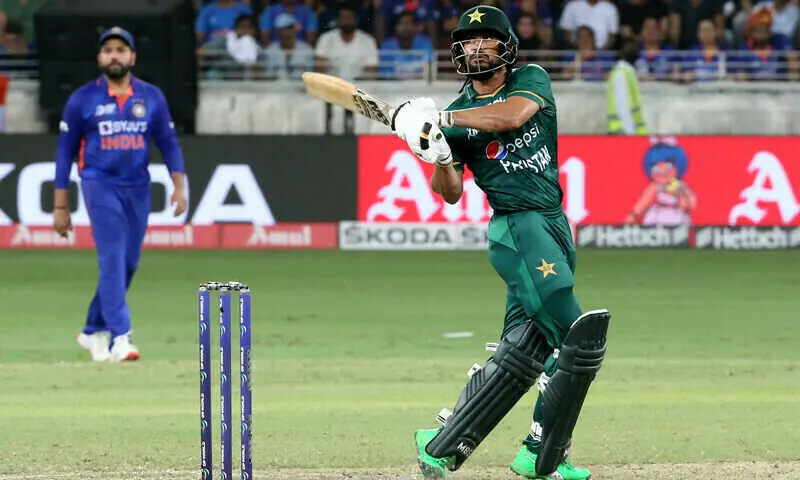
Although the substance involved was classified as a “Substance of Abuse” rather than a traditional performance-enhancing drug, the ICC’s regulations still required disciplinary action after Nawaz tested positive following Pakistan’s ICC Men’s T20 World Cup 2026 match against the Netherlands. The governing body also clarified that the player admitted the violation and demonstrated the substance was consumed outside competition without any intention of improving sporting performance.
This incident serves as another reminder that modern anti-doping programs are designed not only to protect fair competition but also to promote athlete welfare, education, and accountability.
ICC Announces Sanction Against Mohammad Nawaz
The ICC confirmed that Mohammad Nawaz accepted responsibility for breaching its Anti-Doping Code after returning a positive test for Carboxy-THC, a metabolite associated with cannabis.

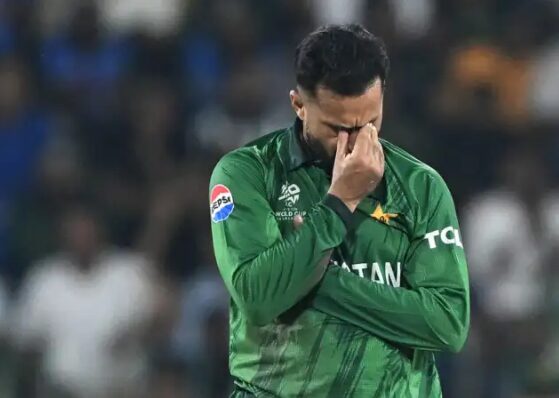
Following its investigation, the ICC imposed for 3 months period of ineligibility. However, because Nawaz voluntarily accepted a provisional suspension beginning on May 1, 2026, much of that suspension has already been served. The governing body also stated that successful completion of an approved rehabilitation program reduces the effective sanction to one month.
Key Points of the ICC Decision
- Positive test occurred after Pakistan’s T20 World Cup match against the Netherlands.
- The prohibited substance was Carboxy-THC.
- The ICC classified it as a “Substance of Abuse.”
- Nawaz admitted the anti-doping violation.
- The substance was determined to have been used outside competition.
- The ICC found no evidence that it was intended to enhance sporting performance.
- His suspension was backdated because of a voluntary provisional suspension.
- Match records during the affected period were disqualified under ICC regulations.
Understanding Carboxy-THC Under ICC Rules
One of the biggest questions surrounding this case concerns the substance involved.
Carboxy-THC is a metabolite produced after the body processes THC, the primary psychoactive compound found in cannabis. Under the ICC Anti-Doping Code, it falls within the category known as a Substance of Abuse rather than a performance-enhancing drug.
This distinction is important because anti-doping authorities recognize that some prohibited substances may be consumed recreationally instead of for competitive advantage. As a result, sanctions can differ depending on:
- The type of prohibited substance
- When it was consumed
- Whether it was related to sporting performance
- The athlete’s cooperation
- Participation in approved rehabilitation programs
The ICC noted that Nawaz successfully demonstrated the substance had been consumed out of competition and was unrelated to cricket performance, allowing for a reduced sanction after rehabilitation.
Why the Suspension Was Reduced
Unlike many anti-doping violations involving performance-enhancing substances, this case followed a different disciplinary process.
The ICC considered several mitigating factors before finalizing its decision.
These included:
- Nawaz admitted the violation.
- He cooperated fully during the investigation.
- The substance was not linked to improving athletic performance.
- He voluntarily accepted a provisional suspension.
- He agreed to complete an ICC-approved treatment and rehabilitation program.
Because of these circumstances, the governing body confirmed that Nawaz would not need to serve any further suspension once the rehabilitation program is successfully completed.
Match Results Officially Disqualified
One of the lesser-known consequences of anti-doping violations involves player statistics.
Under ICC regulations, an athlete’s individual performances during a specified period may be disqualified.
For Mohammad Nawaz, this means:
- His statistics from Pakistan’s match against the Netherlands were disqualified.
- Records from subsequent matches until May 1, 2026, were also removed in accordance with the Anti-Doping Code.
This affects only the player’s official records rather than changing the overall results of those international fixtures.
Impact on Pakistan Cricket
The timing of the announcement naturally raises questions regarding Pakistan’s future squad planning.
Mohammad Nawaz has remained one of Pakistan’s experienced spin-bowling all-rounders over the past several years. His ability to contribute in multiple departments has often provided balance across white-ball formats.
Although the suspension has effectively been served because it was backdated, selectors may still evaluate several factors before considering future team selections, including:
Selection Considerations
- Current playing form
- Physical fitness
- Competition from emerging all-rounders
- Team combinations
- Performance in domestic and franchise cricket
- Completion of the ICC rehabilitation program
Pakistan’s coaching staff and selectors will ultimately focus on performance while ensuring players continue meeting professional standards expected at the international level.
How the ICC Anti-Doping Code Protects Cricket
The ICC’s Anti-Doping Code is built around the principles of fairness, athlete health, and integrity. Every international cricketer is responsible for ensuring that no prohibited substance enters their body, regardless of intent. This principle, known as strict liability, is widely used across global sports.
Players can be tested:
- During international tournaments
- At bilateral series
- During training camps
- Outside of competition
- Without prior notice
Samples are analyzed by laboratories accredited under international anti-doping standards. If a prohibited substance is detected, an investigation begins to determine the circumstances surrounding the case.
Depending on the findings, sanctions can vary significantly. Factors such as the type of substance, the timing of its use, the athlete’s level of cooperation, and whether there was any intention to enhance performance all influence the final outcome.
Why “Substances of Abuse” Are Treated Differently
Not every anti-doping violation involves an attempt to gain a competitive edge.
Modern anti-doping policies recognize that some prohibited substances may be consumed recreationally outside of competition. These are categorized separately as Substances of Abuse.
When an athlete can demonstrate that:
- the substance was used outside competition,
- it was unrelated to sports performance, and
- they successfully complete an approved rehabilitation or treatment program,
the applicable rules may allow for a reduced period of ineligibility.
This approach balances accountability with education and rehabilitation while still protecting the integrity of sport.
Mohammad Nawaz Anti-Doping Ban
Mohammad Nawaz‘s Career at a Glance
Before this disciplinary case, Mohammad Nawaz had established himself as one of Pakistan’s most dependable white-ball all-rounders.
Known for his left-arm orthodox spin and ability to contribute useful runs in the middle order, Nawaz has played important roles in several memorable victories for Pakistan across international cricket.
Strengths That Made Him Valuable
- Accurate left-arm spin in middle overs
- Ability to bowl under pressure
- Useful lower-order batting
- Excellent fielding standards
- Flexibility across ODI and T20 formats
Over the years, he has featured in major ICC tournaments and numerous bilateral series, earning a reputation as a reliable squad player capable of changing matches with both bat and ball.
What This Means for Pakistan Cricket
Although the sanction attracted significant attention, its practical impact on Pakistan’s immediate plans appears limited because the suspension was backdated and reduced after the completion of the required rehabilitation process.
However, the incident still highlights several important considerations for Pakistan cricket.
Increased Focus on Player Education
National boards increasingly invest in educating players about:
- Prohibited substances
- Medication safety
- Supplement risks
- Recreational drug policies
- Anti-doping testing procedures
Even accidental violations can lead to disciplinary action, making education an essential part of every professional athlete’s career.
Greater Emphasis on Compliance
Elite teams now maintain strict protocols regarding:
- Medical approvals
- Nutrition plans
- Supplement verification
- Recovery products
- Team doctors’ guidance
These systems help reduce the likelihood of anti-doping violations and protect both players and teams from avoidable disciplinary issues.
Lessons for Professional Athletes
Cases like this provide valuable reminders for athletes at every level of the game.
Best Practices to Avoid Anti-Doping Violations
- Consult team medical staff before taking any medication.
- Never use supplements from unverified sources.
- Check prohibited substance lists regularly.
- Keep accurate medical records.
- Report any prescribed medications promptly.
- Complete anti-doping education programs.
- Seek clarification whenever uncertain.
Following these practices significantly reduces the risk of unintentionally breaching anti-doping regulations.
The Bigger Picture for International Cricket
Cricket has strengthened its anti-doping framework considerably over the past decade.
Major international events now involve comprehensive testing programs designed to ensure fair competition and maintain public confidence in the sport.
While positive tests remain relatively uncommon compared with some other professional sports, governing bodies continue to emphasize:
- Transparency
- Consistency
- Athlete education
- Rehabilitation where appropriate
- Protection of sporting integrity
These principles help maintain a level playing field while encouraging responsible behavior from professional cricketers.
Why Integrity Matters in Modern Sport
Fans expect international cricket to be decided by talent, preparation, teamwork, and determination—not by prohibited substances.
Strong anti-doping policies benefit everyone involved:
- Players compete on equal terms.
- Teams protect their reputations.
- Fans can trust the results.
- Sponsors maintain confidence in the sport.
- Young athletes receive positive role models.
Even when a case involves a substance that is not intended to enhance performance, governing bodies must enforce the rules consistently to preserve credibility.
Frequently Asked Questions
1. Why was Mohammad Nawaz sanctioned by the ICC?
He was sanctioned after testing positive for Carboxy-THC, a prohibited substance classified under the ICC Anti-Doping Code as a Substance of Abuse. The ICC determined that the substance had been used outside competition and was unrelated to improving sporting performance.
2. What substance was found in Mohammad Nawaz’s test?
The test detected Carboxy-THC, a metabolite associated with cannabis that appears on the prohibited list under international anti-doping regulations.
3. How long is Mohammad Nawaz’s suspension?
The ICC initially imposed a three-month period of ineligibility. Because Nawaz voluntarily accepted a provisional suspension and agreed to complete an approved rehabilitation program, the effective sanction was reduced in accordance with the applicable rules.
4. Will Mohammad Nawaz be eligible to play again?
Yes. Once all conditions of the sanction, including the required rehabilitation program, have been fulfilled, he becomes eligible to return under ICC regulations.
5. Did the ICC consider this a performance-enhancing drug case?
No. The ICC concluded that the substance was consumed outside competition and was not intended to improve sporting performance. That finding influenced the reduced sanction.
6. What happens to Nawaz’s match records?
Individual statistics recorded during the relevant period covered by the anti-doping ruling were disqualified in line with the ICC Anti-Doping Code.
7. What can players do to avoid anti-doping violations?
Players should consult team doctors before taking medication, verify supplements, complete anti-doping education programs, and stay updated on the latest prohibited substance lists.
Conclusion
The Mohammad Nawaz anti-doping ban serves as an important reminder that professional athletes are responsible for complying with anti-doping regulations at all times. Although the ICC determined that the prohibited substance was consumed outside competition and was not used to gain a sporting advantage, the case still resulted in disciplinary action under the governing body’s established rules.
For Pakistan cricket, the episode underscores the importance of continued player education, medical oversight, and adherence to international standards. At the same time, the rehabilitation-based approach adopted in this case demonstrates how modern anti-doping systems seek to balance accountability with opportunities for athletes to return after meeting the required conditions.
As cricket continues to strengthen its commitment to fairness and transparency, consistent enforcement of anti-doping policies remains essential for protecting the integrity of the game. Fans, players, and administrators alike benefit from a sport where competition is decided by skill, preparation, and determination.
Whether you’re following Pakistan cricket or international cricket more broadly, staying informed about developments like this helps you better understand the rules that safeguard the game’s credibility and future.
Read more cricket news and latest updates