


MCC chief Robert Lawson says avoiding repeat of 2017 Women’s World Cup final criticism is vital for reputation

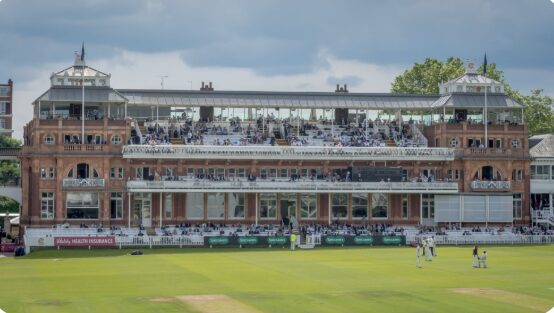
The intersection of sporting history, institutional reputation, and social evolution is set to take center stage this Sunday at Lord’s Cricket Ground. As the countdown to the highly anticipated ICC Women’s T20 World Cup final reaches its peak, the conversation has extended beyond the boundary ropes. It has moved directly into the committee rooms of the Marylebone Cricket Club (MCC).
In an unprecedented move that highlights the ongoing cultural reckoning within traditional cricket spaces, MCC Chief Executive and Secretary Robert Lawson has issued a direct, formal appeal to the club’s exclusive membership base. His message is unambiguous: fill the historic Lord’s Pavilion for Sunday’s showpiece match, regardless of which nations secure their place in the final.
This call to action is not merely about selling out a sporting event. It is a calculated, urgent effort to protect the club’s global reputation, prevent a recurring public relations crisis, and signal a departure from systemic inequities that have historically overshadowed the “Home of Cricket.” With women’s cricket experiencing a massive boom in television viewership and ticket sales, the upcoming weekend represents a critical moment for one of the sport’s oldest institutions.
The Shadow of 2017: Understanding the Institutional Anxiety
To fully comprehend why the MCC leadership is actively lobbying its own membership to attend a global final, one must look back to the summer of 2017.
2017 Women's World Cup Final Optics:
┌────────────────────────────────────────────────────────┐
│ Public Stands: 24,000 Capacity ──► 100% Full (Packed)  │
├────────────────────────────────────────────────────────┤
│ MCC Pavilion: Members Only    ──► Largely Empty Seats  │
└────────────────────────────────────────────────────────┘
Result: Widespread media backlash and public relations crisis.
In July 2017, Lord’s hosted the ICC Women’s World Cup final between England and India. On the field, the match was a masterpiece of sporting drama. England secured a thrilling, come-from-behind nine-run victory to lift the trophy before a roaring crowd. Visually, however, the broadcast presented a stark and uncomfortable contrast that overshadowed the celebration. While the public stands were tightly packed with 24,000 vibrant, flag-waving fans, the iconic, members-only Lord’s Pavilion stood noticeably under-occupied.


The rows of empty white benches in the Pavilion became an instant focal point for television cameras and sports journalists worldwide. Critics argued that the image perfectly captured an institutional disconnect: a modern, explosive growth period for the women’s game clashing directly with an entrenched, indifferent old boys’ club culture. The backlash from the media and progressive factions within the club itself was swift, enduring, and deeply damaging to the MCC’s public profile.
The institutional anxiety surrounding a repeat scenario has been building for years. The issue took center stage during an MCC Special General Meeting in July last year, where ticketing architectures and member obligations for future major tournaments were thoroughly debated. Club officials openly acknowledged that allowing the Pavilion to look deserted during another landmark women’s final would carry severe reputational consequences, particularly at a time when sports organizations face intense scrutiny regarding equality, diversity, and inclusion.
The Weight of the Lawson Letter
Robert Lawson’s recent correspondence with the club’s full members addresses these anxieties directly. Rather than relying on standard administrative updates, the Chief Executive framed attendance at Sunday’s final as an essential duty tied to the preservation of the club’s status.
With Australia already locking in their spot following a dominant semi-final performance against the West Indies at The Oval, and England battling South Africa for the remaining berth, Lawson emphasized that the sporting value of the final is undeniable.
“On Sunday, we have the honour of hosting the ICC Women’s T20 World Cup Final,” Lawson wrote to members. “Yesterday’s semi-final saw Australia continue their dominant run and we look forward to welcoming them to Lord’s this weekend… We can expect a very high-quality match this Sunday. I ask that you show your continued support for the game and for your Club by using your ticket(s) and coming to the match, regardless of which teams have made it to the Final.”
The core of Lawson’s message, however, focused on institutional optics:
“It is vital to MCC’s reputation that there is no repeat of the situation which occurred at the ICC Women’s World Cup Final at Lord’s in 2017, when there was a clear disparity between the public stands, which were visibly full, and the sparsely occupied Pavilion. That same principle applies to the Members’ Friends’ Enclosures.”
Recognizing that many members might simply choose to stay home if England fails to advance or if personal schedules conflict, Lawson introduced a clear operational request: members who choose not to attend must formally notify the club so their highly sought-after seats can be reallocated to the general public. “If you decide not to attend, please let us know and we will do our best to fill the space you have vacated,” Lawson added, signaling a zero-tolerance approach to empty, unused seats in premium areas.
A History of Exclusion: The MCC’s Cultural Battleground
The urgency behind Lawson’s letter cannot be detached from the Marylebone Cricket Club’s long-standing struggle with gender equity. Founded in 1787, the club operated as a male-only sanctuary for more than two centuries. It was not until 1998—following years of intense internal legal battles, public campaigns, and threats to the club’s tax status—that a two-thirds majority of members voted to allow women to join.
The Membership Demographics Gap
Despite nearly three decades of eligibility, the demographic makeup of the MCC remains heavily unbalanced. Out of approximately 18,350 full members who hold the keys to the club’s governance and exclusive match-day seating, less than three percent are women. This slow rate of diversification has left the institution vulnerable to criticisms that it remains an archaic space primarily serving an aging, male demographic.
Total Full MCC Members: ~18,350
┌────────────────────────────────────────────────────────┐
│ Male Members: ~97.2%                                   │
├────────────────────────────────────────────────────────┤
│ Female Members: < 2.8%                                 │
└────────────────────────────────────────────────────────┘
The Damning Findings of the ICEC Report
The slow pace of internal reform was laid bare in 2023 when the Independent Commission for Equity in Cricket (ICEC) published its landmark report on the state of the game. The commission spent months examining the sport’s structures, ultimately delivering a sharp critique of the MCC. The report explicitly stated that the “home of cricket” continued to function as “a home principally for men,” pointing to deep-seated structural and cultural barriers that isolated female players, administrators, and fans.
Among the report’s most striking revelations was the fact that the England Women’s national cricket team had never played a formal Test match on the main ground at Lord’s. The commission described this historical omission as “truly appalling,” arguing that it diminished the status of the women’s international game while prioritizing secondary male fixtures, such as historic school matches between Eton and Harrow.
Turning the Page: A Summer of Historic Firsts
Fortunately, the landscape is shifting. The push to fill the Pavilion for Sunday’s T20 showpiece is part of a broader, more progressive week of women’s cricket at Lord’s. Following the conclusion of the World Cup tournament, England is scheduled to host India in a historic, first-ever women’s Test match at the venue.
This multi-day match represents a massive milestone for the sport, effectively neutralizing one of the heaviest criticisms leveled by the ICEC report. By pairing this historic Test match with a sold-out T20 World Cup final, cricket administrators are aiming to permanently alter the visual and cultural identity of Lord’s. The goal is to transform the venue from an elite monument to the past into an inclusive engine for the game’s future.
The 2026 Women’s T20 World Cup: A Record-Breaking Phenomenon


The institutional anxiety within the MCC runs completely counter to the massive wave of public enthusiasm that has defined the wider tournament. The tournament has shattered previous benchmarks for engagement, stadium attendance, and broadcast reach across the United Kingdom.
Tournament Director Beth Barrett-Wild recently celebrated the public response, noting that the event has successfully pushed women’s cricket into the cultural mainstream:
“It’s been incredible. We set out on a mission to bring women’s cricket into the mainstream and over the last three weeks we’ve seen record-breaking crowds. I feel like we’ve definitely delivered.”
By the Numbers: A Historic Tournament
The scale of this tournament’s success is illustrated by its record-breaking attendance figures:
- 160,000+ Total Tickets Sold: This milestone sets an all-time attendance record for a standalone ICC women’s sporting event in the region, more than doubling the aggregate ticket sales recorded during the entirety of the 2017 tournament.
- 27,000 Fans at Lord’s: Sunday’s group-stage double-header saw a near-capacity crowd pack the ground to watch South Africa defeat Bangladesh, followed by a heavyweight clash between powerhouse nations Australia and India.
- Edgbaston Milestone: A partisan crowd of 18,814 fans attended the group-stage match between India and Pakistan, setting a venue record for a women’s international fixture.
- The Oval Success: 21,018 enthusiastic spectators filled the London venue to witness England’s group-stage battle against New Zealand.
The Broader Ramifications for Global Cricket
The push for a packed, vibrant Lord’s Pavilion carries significant implications for the commercial and cultural future of cricket worldwide.
Broadcast Continuity and Corporate Value
Modern sports broadcasting relies heavily on atmosphere and continuous visual energy. When television networks broadcast a premier global final to millions of viewers worldwide, empty seats in the most prominent, central areas of a stadium degrade the visual quality of the product. Corporate sponsors, broadcast partners, and international federations like the ICC demand an electric environment that matches the premium nature of a World Cup final. A packed Pavilion protects the commercial value of the women’s game and validates the major financial investments being made by global brands.
Structural Reform and Ticketing Policies
The MCC’s current dilemma is forcing a overdue review of traditional sporting privileges. For generations, club members have enjoyed guaranteed, unchallenged access to premier seating areas as part of their annual subscriptions. However, when those privileges result in empty seats during historic events, the system clashes with the needs of a growing modern sport. If members fail to fill their seats on Sunday, it will likely accelerate plans to implement mandatory seat-release schemes, dynamic public booking options, and stricter attendance audits for major international fixtures.
Frequently Asked Questions
Why did the MCC face criticism during the 2017 Women’s World Cup final?
While the public areas of Lord’s were completely sold out with 24,000 fans, the exclusive, members-only Pavilion remained largely empty. This created an awkward visual contrast on global television broadcasts, drawing heavy criticism from fans and media who felt the club’s membership was indifferent to the women’s game.
When were women first allowed to join the Marylebone Cricket Club?
Women were officially admitted as full members of the MCC in 1998. This historic decision ended more than 210 years of male-only membership policies since the club’s founding in 1787.
What percentage of full MCC members are currently women?
Out of the approximately 18,350 full members who currently hold governance and voting rights within the MCC, less than three percent are women.
What did the 2023 ICEC report say about Lord’s and the MCC?
The Independent Commission for Equity in Cricket (ICEC) report criticized the MCC, stating that the “Home of Cricket” functioned primarily as a space for men. It also labeled the historic absence of an England Women’s Test match at Lord’s as “truly appalling.”
How many tickets have been sold for the tournament?
More than 160,000 tickets have been sold across the tournament venues, setting a new record for an ICC women’s cricket event and more than doubling the total ticket sales from the 2017 edition.
What happens to an MCC member’s seat if they choose not to attend the final?
MCC Chief Executive Robert Lawson has asked all members who cannot or choose not to attend to formally notify the club. This allows officials to reallocate those vacant premium spaces to the general public, ensuring a full house and a great atmosphere.
The upcoming final stands as a critical test for the Marylebone Cricket Club. It represents a clear choice between holding onto past institutional indifference or stepping decisively into a more equitable future. The record-breaking success of the tournament has proven that the public appetite for elite women’s sport is permanent, passionate, and commercially powerful. The stadium will be loud, the cricket will be elite, and the eyes of the world will be watching.
Now, the pressure shifts completely onto the shoulders of the MCC membership. By choosing to fill the Pavilion benches or gracefully handing their tickets back to eager fans, members have a clear opportunity to help reshape the image of Lord’s. Taking this step will help ensure that the “Home of Cricket” truly looks and feels like a welcoming home for everyone.
Read more cricket news and latest updates