


Lord’s Test England Pakistan Weather Forecast Play Impact: Unsettled weather conditions in London threaten to disrupt the crucial second Test match between England and Pakistan at Lord’s Cricket Ground. Following a decisive victory by an innings and 103 runs at Headingley, host nation England enters the contest holding a 1-0 lead in the three-match series. Meanwhile, Pakistan faces an uphill battle to level the series while contending with heavy precipitation, low light, and persistent cloud cover.
Meteorological data indicates that overhead atmospheric conditions will play a pivotal role from the opening session of Day 1. With precipitation probabilities exceeding 85% in the morning and peak humidity reaching 95%, both captains face complex decisions at the toss. Understanding how atmospheric moisture interacts with the famous Lord’s pitch slope is essential for predicting performance trends, seam movement, and lost overs.

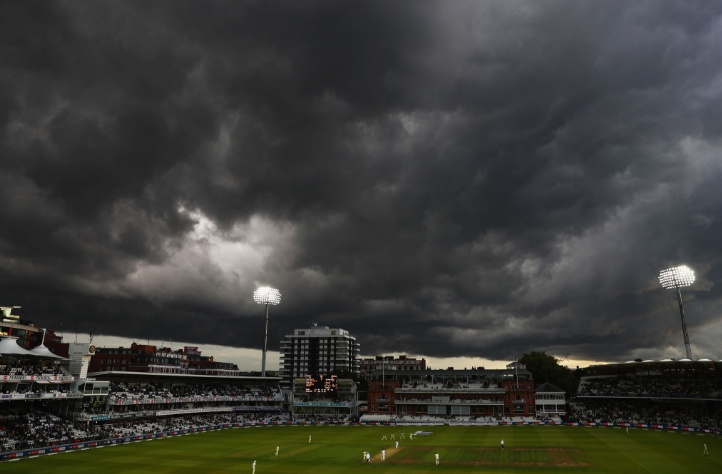
The morning of Day 1 carries an 85% chance of precipitation with 95% cloud cover. Overhead conditions will heavily favor swing and seam bowlers throughout the opening two sessions.
Day 1 Session Meteorological Breakdown for Lord’s Test England Pakistan Weather Forecast
Weather forecasts for Lord’s indicate sustained moisture throughout the morning followed by unstable atmospheric conditions in the afternoon. High relative humidity coupled with low surface evaporation will keep moisture trapped beneath the pitch covers prior to toss time.

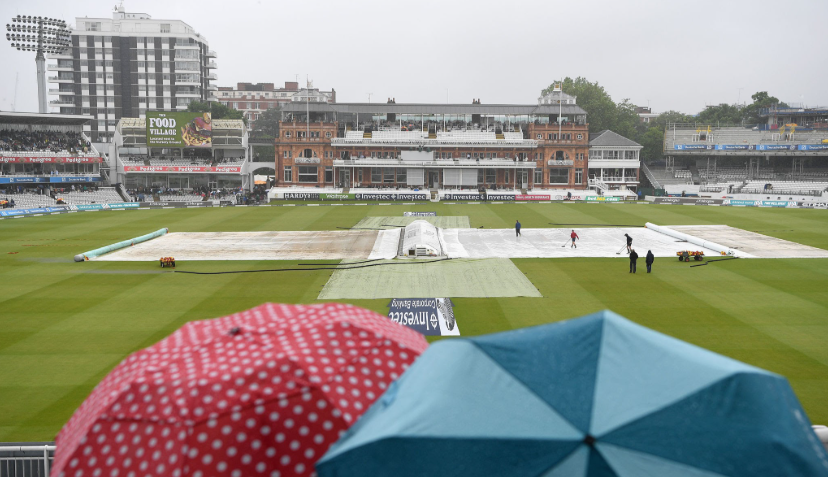
The table below outlines the forecasted meteorological metrics across the three key sessions of Day 1:
| Session Period | Expected Temperature | Precipitation Probability | Rainfall Volume | Cloud Cover | Wind Speed & Direction | Primary Tactical Impact |
| Morning (11:00 – 13:00) | 20°C (RealFeel 19°C) | 85% | ~5.6 mm | 95% | 11 km/h (SE), Gusts 28 km/h | Heavy overhead swing; frequent rain interruptions; moisture retention on pitch. |
| Afternoon (13:40 – 15:40) | 22°C (RealFeel 22°C) | 93% | ~7.6 mm | 81% | 13 km/h (S), Gusts 33 km/h | Thunderstorm risk (27%); heavy moisture; potential extended disruption to play. |
| Evening (16:00 – 18:00) | 21°C (RealFeel 20°C) | 45% | ~1.2 mm | 75% | 14 km/h (SW), Gusts 25 km/h | Partial clearing; improved visibility; seamers retain off-stump movement. |
Atmospheric pressure drops ahead of afternoon thundershowers, which typically enhances lateral movement for seam bowlers using the red Duke ball.
The Atmospheric Science of Swing at Lord’s
Overcast conditions in London impact Test match dynamics far beyond simple time delays. Heavy cloud cover combined with elevated relative humidity alters air density gradient layers near the ground, helping the Duke ball maintain its seam prominent condition longer.

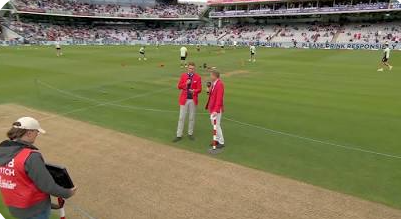
1. Relative Humidity and Air Density
When relative humidity approaches 85% to 95%, moisture-laden air creates ideal conditions for conventional swing. As fast bowlers release the ball with a perpendicular seam, micro-moisture variations between the polished side and rough side accentuate aerodynamic side-force differential.
2. Pitch Moisture Under Covers
Sustained rainfall before the match forces groundskeepers to keep protective tarpaulins over the pitch matrix. Ground moisture sweating beneath heavy covers softens the top soil layer:
- Seam Movement: Ball seams bite into the damp surface, creating unpredictable lateral deviation.
- Variable Bounce: Moisture concentration near the nursery end creates subtle soft spots, leading to lower-than-expected bounce.
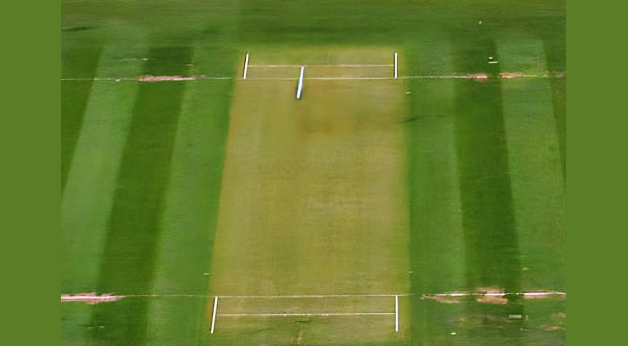
- Slope Amplification: Lord’s famous 8-foot (2.44-meter) cross-pitch slope amplifies natural seam movement when moisture is present.
Tactical Insight: Fast bowlers operating from the Pavilion End can utilize the natural slope alongside damp seam conditions to move the ball sharply into right-handed batters.
Toss Strategy: Bowl First or Risk Early Collapses?
With rain probabilities above 85% for the morning session, winning the toss presents a clear tactical advantage. Captains usually prefer to field first under heavy cloud cover, allowing seam bowlers maximum advantage during early overs.
                  [ Toss Decision Strategy ]
                             │
            ┌────────────────┴────────────────┐
            ▼                                 ▼
   [ Win Toss: Bowl First ]         [ Lose Toss: Bat First ]
            │                                 │
   ├─ Exploit 95% Cloud Cover        ├─ Play Tight Off-Stump Lines
   ├─ Utilize Wet Pitch Moisture     ├─ Soft Hands & Leave Outside Off
   └─ Target Early Top-Order         └─ Protect Middle Order for Day 2
Strategic Objectives for Bowling First
- Early Wickets: Leverage fresh moisture and steep movement before the pitch dries under afternoon light breaks.
- Restricting Overs: Prevent opening batters from settling into long rhythm periods due to frequent rain interruptions.
- Control Pace: Force the opposition to bat through multiple damp restart sessions.
Tactical Directives for Batting First
- Defensive Alignment: Batters must play with soft hands inside the line of the ball to absorb lateral movement.
- Leaving Outside Off-Stump: Disciplined leaves force seamers to bowl tighter lines, reducing edge opportunities behind the wicket.
- Session Management: Protecting wickets during wet morning spells allows teams to capitalize later when weather clears.
Pakistan’s London Track Record and Historical Context
Despite suffering a heavy defeat at Headingley, Pakistan possesses a strong recent Test match record in London venues. Adapting to English weather conditions has historically been central to their success at Lord’s and The Oval.

Recent Test Match Results in London
- 2016 at Lord’s: Pakistan secured a victory driven by disciplined reverse swing and effective bowling under overcast skies.
- 2016 at The Oval: A decisive win balanced the series, showcasing adaptability in shifting weather patterns.
- 2018 at Lord’s: Pakistan dominated England with an 8-wicket victory, mastering damp pitch conditions during early session spells.
Pakistan’s fast bowling attack relies heavily on full-length deliveries. Under 81% to 95% cloud cover, bringing the stumps into play through fuller lengths yields a higher percentage of leg-before-wicket (LBW) and bowled dismissals compared to dry conditions.
Expected Overs Lost and Playing Condition Rules
Rain forecasts predicting up to 7.6 mm of precipitation during afternoon hours make lost overs inevitable during the opening days of the Test.
Standard Test Match Playing Conditions
- Minimum Daily Requirement: Standard Test match regulations require 90 overs per day.
- Extra Time Allocation: Umpires can allocate up to 30 minutes of extra time daily to make up for lost overs.
- Reschedule Provisions: Time lost during early days is redistributed across remaining match days by moving start times earlier or extending evening sessions.
Continuous interruptions break bowler rhythm while constantly forcing batters to restart their concentration cycles, often leading to tactical errors immediately after play resumes.
Frequently Asked Questions
What is the weather forecast for Day 1 of the Lord’s Test?
Day 1 features overcast skies with an 85% to 93% chance of precipitation throughout the morning and afternoon. High cloud cover around 95% and relative humidity up to 83% will create heavy overcast conditions, accompanied by a 27% probability of afternoon thunderstorms.
How does overcast weather affect swing bowling at Lord’s?
Overcast weather creates stable, high-humidity boundary layers of air near the pitch surface. Moisture keeps the leather seam of the red Duke ball prominent, allowing fast bowlers to generate enhanced late swing and unpredictable seam movement off the damp turf.
Why is the Lord’s pitch slope important in wet weather?
Lord’s features an 8-foot slope running across the playing surface from north to south. When rain moisture sits on the pitch, seamers bowling across the slope achieve accentuated lateral movement, making deliveries angle sharply toward or away from right-handed batters.
How many overs are usually lost during rainy Test days in England?
Depending on rainfall intensity, persistent showers can cause losses ranging from 20 overs to entire sessions. Umpires can extend play by up to 30 minutes daily to recover lost time, but heavy afternoon rain typically reduces the total overs available in early innings.
Should the team winning the toss bat or bowl first at Lord’s in overcast weather?
Teams winning the toss in heavy overcast conditions almost universally elect to bowl first. Damp pitch moisture under covers combined with 95% cloud cover offers seamers maximum lateral movement, providing an optimal window to break through top-order batting lineups.
What is Pakistan’s recent Test record at Lord’s Cricket Ground?
Pakistan holds an impressive recent Test record at Lord’s, having won their Test matches at the venue in 2016 and 2018. Their bowling attack historically excels in London by utilizing atmospheric swing and seam movement effectively under English conditions.
Conclusion
The Lord’s Test England Pakistan weather forecast points to a day dominated by atmospheric conditions, rain delays, and significant seam movement. With morning precipitation chances at 85% and humidity peaking near 83%, the team winning the toss holds a structural advantage to bowl first and exploit damp surface conditions. Batting lineups must display extreme technical discipline against the moving Duke ball under 95% cloud cover.
As play unfolds, watching how fast bowlers adapt to wet surface conditions and the Lord’s slope will determine early control of this crucial second Test match. Stay tuned for live session updates, weather shifts, and ball-by-ball tactical analysis.
Read more sports news and latest updates
Read more cricket news and latest updates