


Imam ul Haq Disciplinary Violations Ban: Pakistan Test opening batter Imam-ul-Haq faces potential administrative sanctions as an internal Pakistan Cricket Board inquiry highlights multiple allegations ranging from suspicious injury claims to dressing-room leaks. Following a series of disappointing Test match results during the England series, official authorities have initiated formal investigations that expand beyond team discipline into digital and financial verification.
This detailed investigative report breaks down the core allegations surrounding the Imam ul Haq disciplinary violations ban, the involvement of state forensic investigators, and the structural overhaul currently underway within Pakistan cricket governance.
1. Allegations Driving the Disciplinary Probe
The official investigation into Imam-ul-Haq centers on three distinct claims compiled in an initial report by cricket administration authorities in Lahore. These allegations reflect structural concerns regarding team cohesion and player compliance during international tours.
- Suspicious Injury Claims: Investigators are analyzing medical and physical evaluation reports following concerns that an injury during the England Test series may have been exaggerated or misrepresented.
- Dressing-Room Information Leaks: Unsanctioned disclosures of tactical discussions and internal team selection notes were reportedly traced back to active squad members.
- General Breaches of Discipline: Team management reported instances of protocol non-compliance during training sessions and travel windows.
Key Takeaway: The current Imam ul Haq disciplinary violations ban investigation combines internal team management assessments with formal administrative reviews, creating a multi-tiered accountability process.

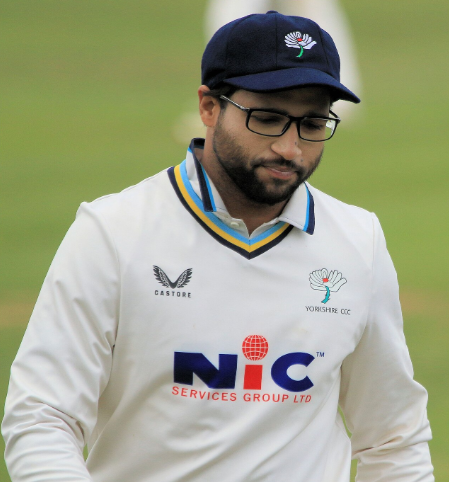
2. Reopening of Previous New Zealand Tour Case
A significant aspect of the current proceedings is the reopening of a prior disciplinary file regarding Imam-ul-Haq’s tour of New Zealand. Earlier inquiry findings had originally recommended a two-year suspension from international cricket.
However, that earlier recommendation was deferred following administrative interventions. Senior figures—including a former national head coach, a former chief selector, and a former team captain—held formal discussions with board leadership to petition against enforcing the sanction at that time.
+-----------------------------------------------------------------------------------+
|                        TIMELINE OF DISCIPLINARY PROCEEDINGS                       |
+-----------------------------------------------------------------------------------+
|  [New Zealand Tour] -----> Initial Injury Suspicion Raised                        |
|                                    |                                              |
|                                    v                                              |
|  [First Inquiry] ---------> 2-Year Ban Recommended by Committee                   |
|                                    |                                              |
|                                    v                                              |
|  [Intervention] ----------> Former Officials Intervene; Sanction Paused           |
|                                    |                                              |
|                                    v                                              |
|  [England Series] --------> New Allegations: Leaks, Injuries & Protocols          |
|                                    |                                              |
|                                    v                                              |
|  [Current Status] --------> Case Reopened alongside NCCIA Forensic Probe          |
+-----------------------------------------------------------------------------------+
3. NCCIA Forensic & Technical Investigation
Unlike routine team disciplinary reviews, the scope of the current inquiry extends to specialized agencies. The National Cyber Crime Investigation Agency (NCCIA) is actively conducting technical and financial verifications involving key players.
Scope of Digital Verification
- Mobile Device Diagnostics: Digital forensic tools are analyzing retrieved chat logs, contact records, and voice transmissions from devices belonging to Imam-ul-Haq and former wicketkeeper-batter Mohammad Rizwan.
- Financial Auditing: Investigators are matching communication timelines with banking ledger updates to track incoming and outgoing financial transactions before and after recent Test matches.
- Source-to-Destination Mapping: External transfers from corporate entities, third-party agents, or unknown accounts are being evaluated under statutory regulatory frameworks.
4. Fallout from the England Test Series Defeat
The disciplinary proceedings materialized against the backdrop of a challenging home Test series against England. Strategic missteps and on-field execution issues led to a severe downfall in performance metrics.
| Match Venue | Result Breakdown | Margin of Defeat |
| First Test Match | England victory over Pakistan | Innings and 103 runs |
| Second Test (Lord’s) | England victory over Pakistan | 194 runs |
Following the conclusion of the Lord’s Test, the board enacted immediate squad restructuring measures, discharging multiple players from the active squad while restructuring the coaching staff.
5. Major Pakistan Test squad overhaul & Coaching Changes
In response to performance metrics and team discipline evaluations, the PCB executed an emergency release of seven players from the national Test squad.

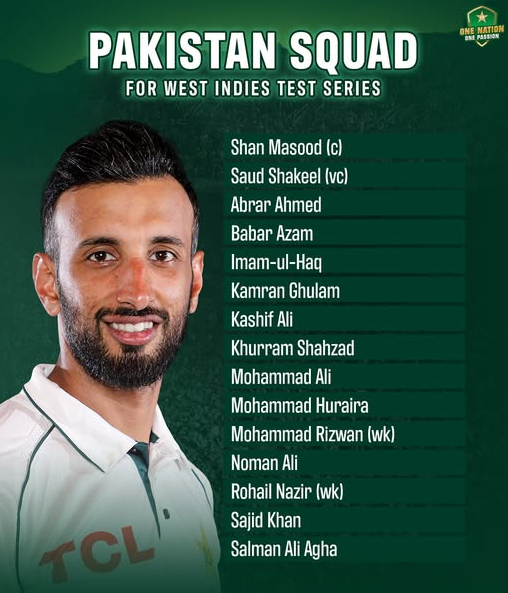
Released Players
- Imam-ul-Haq (Opening Batter)
- Mohammad Rizwan (Wicketkeeper-Batter)
- Salman Ali Agha (All-Rounder)
- Ali Usman (Spin Bowler)
- Aamir Jamal (Fast-Bowling All-Rounder)
- Owais Zafar (Pacer)
- Khurram Shahzad (Fast Bowler)
Additionally, the administration ended contractual agreements with Red-Ball Head Coach Sarfaraz Ahmed and Bowling Coach Umar Gul. Formal explanation notices were also dispatched to selection committee members regarding squad assembly decisions made earlier in the season.
6. Regulatory Framework & Player Safeguards
Player contracts under the central structure govern both public communications and reporting obligations during international assignments.
                       +-----------------------------------+
                       |    PCB Central Contract Rules     |
                       +-----------------------------------+
                                         |
               +-------------------------+-------------------------+
               |                                                   |
               v                                                   v
  [Clause 4: Media Protocols]                         [Clause 9: Integrity Code]
  - No unapproved leaks                               - Mandatory injury disclosures
  - Restricted external contact                       - Full banking disclosure
  - Non-disclosure of tactics                         - Anti-corruption compliance
               |                                                   |
               +-------------------------+-------------------------+
                                         |
                                         v
                       +-----------------------------------+
                       |      Formal Hearing Panel         |
                       | - Evidence review                 |
                       | - Legal defense opportunity       |
                       | - Binding board recommendations   |
                       +-----------------------------------+
Every player subject to inquiry maintains rights under the board’s code of conduct framework, including the opportunity to present medical evidence, dispute forensic interpretations, and appear alongside legal counsel before an independent integrity panel.
7. Broader Impact on Pakistan Test Cricket Rankings
The institutional turmoil and squad alterations coincide with historic drops in international team rankings. Following the series outcome against England, Pakistan recorded its lowest-ever position on the official ICC Test Team Rankings table.

Rebuilding team stability requires clarifying player availability, establishing clear disciplinary boundaries, and solidifying selection protocols ahead of upcoming international fixtures.
Frequently Asked Questions
Why is Imam-ul-Haq facing a potential ban?
Imam-ul-Haq faces potential action due to allegations involving a suspicious injury report, unauthorized dressing-room information leaks, and general breaches of team discipline during recent international tours.
What is the role of the NCCIA in this inquiry?
The National Cyber Crime Investigation Agency (NCCIA) is analyzing digital data, mobile device communications, and financial bank accounts of involved players to verify transactions surrounding recent Test match series.
Was Imam-ul-Haq previously recommended for a ban?
Yes. An earlier inquiry into an injury sustained during the tour of New Zealand led to a recommended two-year ban, which was deferred after former team officials intervened on his behalf.
Which other players were released from the Test squad?
Alongside Imam-ul-Haq, the PCB released Mohammad Rizwan, Salman Ali Agha, Ali Usman, Aamir Jamal, Owais Zafar, and Khurram Shahzad following the England Test series defeat.
Have any coaches been dismissed following these events?
Yes. The PCB parted ways with red-ball head coach Sarfaraz Ahmed and bowling coach Umar Gul as part of broader operational changes in the national team setup.
What rights do players have during a PCB disciplinary inquiry?
Players have the right to review evidence, submit medical records, present legal representation, and appeal any proposed sanctions before an independent tribunal established under the PCB constitution.
The potential Imam ul Haq disciplinary violations ban marks a pivotal juncture for cricket governance in Pakistan. By addressing dressing-room confidentiality, enforcing medical reporting standards, and engaging state forensic agencies for financial transparency, the board aims to establish strict operational boundaries.
Moving forward, restoring credibility will depend on transparent tribunal findings and clear communication regarding selection policies. Fans, analysts, and stakeholders must look to official PCB announcements for finalized legal outcomes and upcoming squad selections.
Read more sports news and latest updates
Read more cricket news and latest updates