


FIFA World Cup Stadium Music: Walk into any global football arena during a major tournament, and your senses are strongly hit by a wall of sound. Long before the referee blows the opening whistle, the air vibrates with an electric mix of basslines, synthesizers, and choruses belted out by tens of thousands of fans.
This is not accidental background noise. The tracks selected to echo through these massive architectural marvels are highly calculated audio landscapes. They are designed to unite diverse cultures, boost athletic performance, and anchor unforgettable sporting moments in our collective memory.

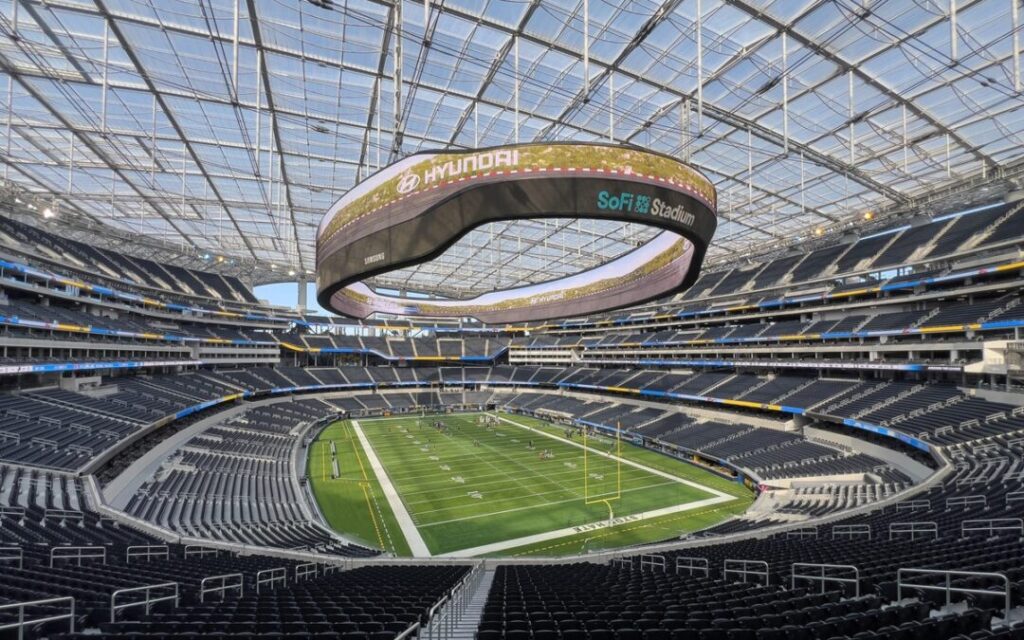
But how did we get from simple brass bands to multi-platinum global hits dominating the airwaves? The evolution of international football soundtracks reveals a fascinating intersection of pop culture, marketing genius, and grassroots fan heritage. Let us pull back the curtain on the hidden histories, psychological mechanisms, and cultural impact of the tunes that define the beautiful game.
The Strategic Power of FIFA World Cup Stadium Soundscapes
Music in a modern sports arena is a crucial tool for crowd management and emotional architecture. Sports psychologists note that the right tempo can actively synchronize the heart rates of thousands of individuals, turning a fragmented crowd into a singular, cohesive community.
[Fan Anticipation] ➔ [Upbeat Stadium Track] ➔ [Dopamine Release] ➔ [Collective Unity]
When a recognizable anthem plays, it triggers an immediate chemical response in the brain, releasing dopamine and adrenaline. For the home team, this wall of sound acts as a psychological battery pack; for the visiting squad, it creates an intimidating auditory fortress. FIFA and local organizing committees collaborate with specialized sound engineers and musical directors years in advance to curate a sonic identity that feels authentic to the host nation while appealing to a global television audience of billions.
Evolution of the Tournament Soundtrack
The relationship between football tournaments and official musical themes has shifted dramatically over the decades. What began as formal, march-style compositions has evolved into a multi-genre global phenomenon.
The Era of Traditional Marches (Pre-1990s)
In the early days of global tournaments, stadium music was a localized, formal affair. Live military or brass bands frequently performed traditional instrumental marches or basic, patriotic songs on the pitch before kickoff. These compositions were respectable, but they lacked the rhythmic drive needed to get a stadium dancing or to find commercial success on international radio charts.

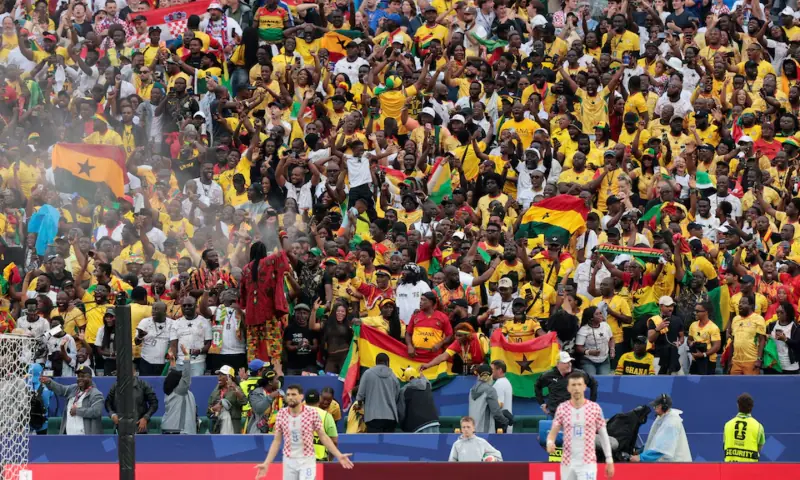
The Pop Explosion: Ricky Martin and the 1998 Turning Point
The modern era of tournament music officially arrived in 1998. The selection of Ricky Martin’s “The Cup of Life” (“La Copa de la Vida”) fundamentally changed the blueprint.


Featuring an aggressive horn section, relentless samba drums, and an easily repeatable “Ale, Ale, Ale” hook, the song proved that a sports anthem could become a global number-one pop hit. It established a new framework: stadium music needed to be danceable, cross linguistic barriers, and feature high-energy vocal cues that fans could easily mimic.
The Digital Era and Global Streaming Hits
By the 2010s, tournament anthems had transformed into digital juggernauts. Shakira’s “Waka Waka (This Time for Africa)” combined traditional African rhythms with mainstream Colombian pop production, quickly racking up billions of views online. Today, the stadium soundtrack is no longer limited to a single melody. Instead, organizers release comprehensive multi-song playlists featuring artists from various genres, ensuring every demographic feels represented in the stands.
Anatomy of a Perfect Football World Cup Stadium Anthem
What makes a song click inside a massive concrete arena? Not every radio hit can cut through the chaos of a stadium crowd. The most successful football tracks share distinct structural elements:
- The Shared Chant Factor: The chorus must rely on simple, non-linguistic syllables (like “Oh-oh-oh,” “Ole,” or “La-la-la”). This allows a fan from Tokyo, a supporter from Buenos Aires, and a local from the host city to sing along together without a language barrier.
- Driving, Upbeat Tempos: The ideal stadium tempo sits comfortably between 120 and 130 beats per minute (BPM). This rhythm naturally gets people moving, clapping, and jumping, which generates visual energy for the broadcast cameras.
- A Solid Acoustic Backbone: Arenas are notorious for terrible acoustics, long sound delays, and echo. Songs with clear, simple bass drums and bright brass melodies hold up much better under these conditions than tracks with dense, muddy digital production.
Famous Tracks and Their Arena Backstories
“Waka Waka” – The Masterclass in Cultural Fusion
Shakira’s 2010 hit remains the gold standard for global sports music, but its roots run surprisingly deep. The track heavily borrows from “Zangalewa“ (or “Amina”), a 1986 song by the Cameroonian makossa group Golden Sounds. By blending this historic West African military chant with modern pop synths, the track bridged the gap between traditional heritage and mainstream pop culture, perfectly matching the historic nature of the first African-hosted tournament.
“Wavin’ Flag” – The Unofficial Anthem That Stole the Show
While K’naan’s “Wavin’ Flag“ was technically a corporate promotional theme rather than the official tournament song in 2010, it became the defining melody of that summer. Originally written about the struggles of growing up in war-torn Somalia, the track was remixed with an upbeat, aspirational rhythm for the global stage. Its organic success proved that fans deeply crave authenticity and emotional depth alongside high-energy dance beats.
Grassroots Culture: Fan Chants and Terrace Melodies
While official hits are blasted over high-tech public address systems, the true soul of stadium music lives in the stands. Organic fan culture regularly converts mainstream pop melodies into iconic terrace chants.
Original Pop Track ➔ Adopted by Traveling Supporters ➔ Tailored Lyrics ➔ Iconic Stadium Chant
Consider the ubiquitous presence of The White Stripes’ “Seven Nation Army.” Its iconic, simple seven-note guitar riff was first adopted by Italian club supporters in the mid-2000s. Today, it serves as the universal, wordless celebration chant across global stadiums whenever a goal is scored.
Similarly, vintage tracks like Neil Diamond’s “Sweet Caroline“ or contemporary electronic hits are regularly adopted by traveling fans, who rewrite the lyrics on the fly to honor their favorite players or mock their opponents. This shifting balance between polished corporate pop and raw fan expression gives matchday playlists their unique character.
Frequently Asked Questions
Who selects the official music for major international tournaments?
The official soundtrack is chosen through a collaborative partnership between the governing body (FIFA), the local organizing committee, and a designated major record label partner (such as Sony Music). Together, they review pitches from global producers and artists years before the event begins.
How does stadium echo impact sound design?
Because massive stadiums generate massive sound delays, tracks with fast, complex vocal lines or muddy electronic production can end up sounding like indecipherable noise. Sound engineers prioritize bright horns, clean bass lines, and clear vocal hooks that can survive bad acoustics.
Do stadium tracks provide any competitive advantage?
Yes. Energetic, high-tempo music increases adrenaline production, sharpens focus, and reduces perceived fatigue in elite athletes. Additionally, a loud, supportive stadium playlist helps the crowd create an intense home-field atmosphere that can rattle opposing teams.
Why do some unofficial songs become more popular than official themes?
Authenticity matters to fans. If an official song feels forced or overly corporate, audiences often reject it. Conversely, if an unofficial track features an emotional message or an irresistible rhythm, fans will adopt it organically via social media and stadium sing-alongs.
Conclusion
The music playing across global football stadiums is far more than a simple entertainment filler between halves. It serves as the emotional glue that holds the entire tournament experience together. By blending global pop appeal with local cultural traditions, these anthems transform giant sports arenas into massive, shared cultural celebrations. The next time you find yourself singing along to a simple “Ole” chant in a crowd of thousands, remember that you are participating in a carefully crafted, historic tradition designed to unite the world through the parallel powers of music and sport.
What is your all-time favorite football stadium anthem? Let us know in the comments below, share this article with your fellow fans, and stay tuned for more deep dives into the culture behind the world’s biggest sporting events!
Read more football news and latest updates