


Belgium will face either the United States or Bosnia-Herzegovina in Tuesday’s last-16 match
Belgium vs Senegal 2026 World Cup: The knockout stages of the FIFA World Cup always deliver high-stakes drama, tactical masterclasses, and unpredictable narratives. The Round of 32 matchup between Belgium and Senegal at the iconic Seattle Stadium in Washington was no exception. As two footballing powerhouses from different continents collided, fans were treated to a fascinating tactical chess match that lived up to the pre-game hype.

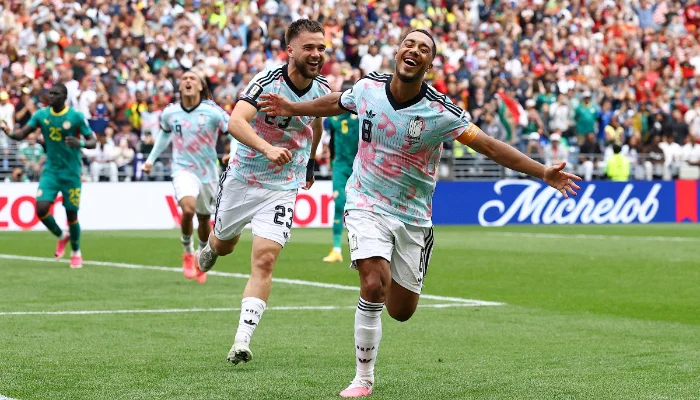
Going into the match, Belgium’s “Red Devils” were riding high after a commanding 5-1 victory over New Zealand in their final group stage fixture. Meanwhile, Senegal’s “Lions of Teranga” entered the knockout stage brimming with confidence following a spectacular 5-0 dismantling of Iraq. With both teams possessing elite attacking talent and contrasting structural philosophies, this fixture promised to be one of the highlights of the tournament’s first knockout round.

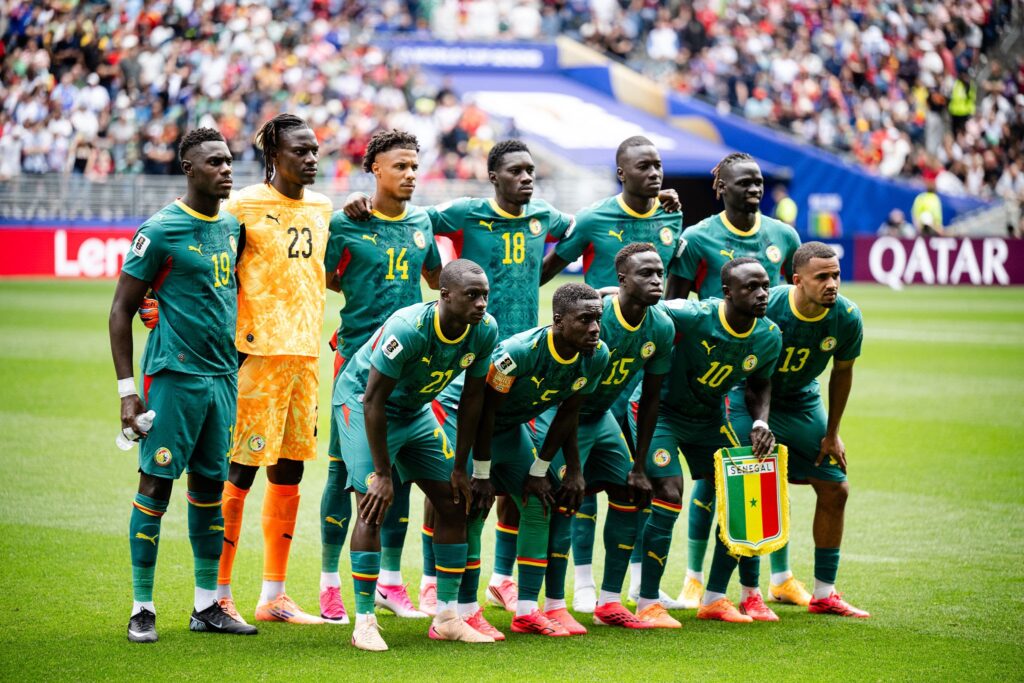
Tactical Context and Pre-Match Shakeups
When the team sheets were announced ahead of kickoff, it became immediately clear that both managers had spent the preceding days meticulously planning how to neutralize their opponent’s strengths.
Belgium manager opted for stability, fielding the exact same starting eleven that dismantled New Zealand. The decision showcased deep trust in their established system, relying on the creative genius of Kevin De Bruyne to pull the strings in midfield while using the blistering pace of Jeremy Doku on the flank to stretch the African defense.
Conversely, Senegal’s coaching staff made several bold, strategic changes to reshape their lineup. The most notable omission from the starting unit was captain and defensive anchor Kalidou Koulibaly, a decision that turned heads across the stadium.

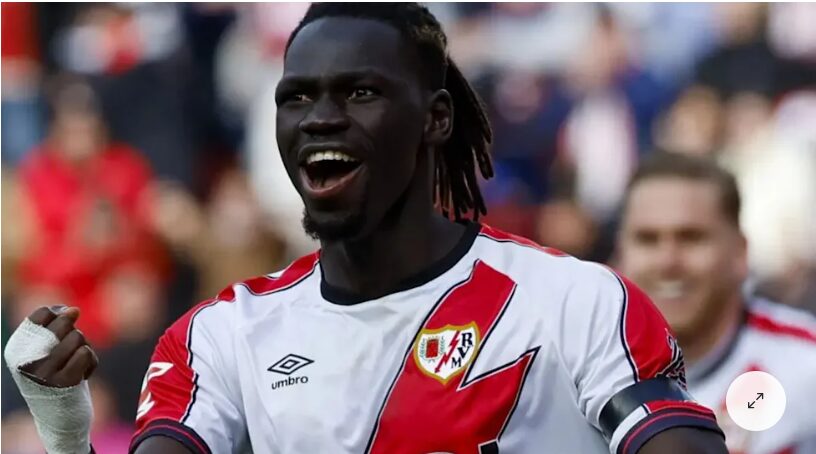
In a structural shuffle, Pathe Ciss moved into the lineup to replace defender Abdoulaye Seck, while midfielder Pape Gueye was handed a starting role over Lamine Camara. Gueye’s inclusion was highly anticipated, given his spectacular two-goal performance against Iraq in the previous round. Upfront, Iliman Ndiaye joined the dangerous duo of Ismaila Sarr and Sadio Mane, signaling Senegal’s intent to exploit transitions with maximum verticality.
First Half Analysis: Possession vs. Precision
As the referee blew the opening whistle, the tactical blueprint of both teams immediately unfolded. Belgium seized control of the ball, dictating the tempo through short, progressive passing circuits. The Red Devils dominated the possession statistics throughout the first half, pinning Senegal into their own defensive territory for extended periods.
However, possession without penetration can be a dangerous trap in elite football. While Belgium comfortably circulated the ball between Arthur Theate, Brandon Mechele, and their midfielders, they struggled to carve open a deeply organized and disciplined Senegalese mid-block.
Senegal, content to cede territory, looked incredibly sharp on the counter-attack. Whenever the Lions of Teranga intercepted a loose pass or won a duel in the middle third, they transitioned forward with breathtaking speed. By the conclusion of the first 45 minutes, the underlying numbers told a compelling story: despite controlling less of the ball, Senegal registered seven attempts on goal with three finding the target. Belgium, conversely, managed five total attempts, testing the keeper just twice.
The Breakthrough: Diarra Silences the Red Devils
The defining moment of the first half arrived in the 24th minute, courtesy of a beautifully constructed sequence from Senegal’s veteran talisman and a rising star.
Operating on the left wing, Sadio Mane received the ball and used his trademark footwork to create half a yard of space against Timothy Castagne. Mane delivered a beautifully curled cross deep into the penalty box. Flying through the air, Ismaila Sarr connected with a brilliant, flicked header that beat Belgian goalkeeper Thibaut Courtois.

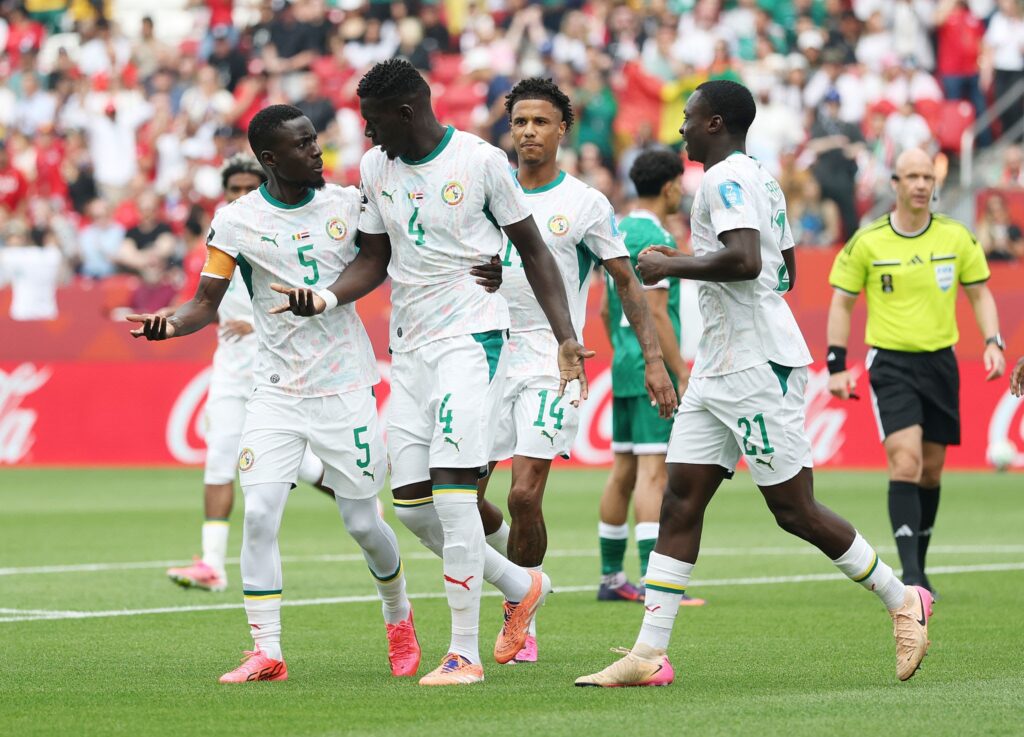
While Sarr’s initial header struck the post and bounced back into the six-yard box, the Belgian defense caught flat-footed. Reacting faster than anyone else in the area, 22-year-old midfielder Habib Diarra lunged forward to convert the rebound into an empty net, sending the traveling African supporters into absolute delirium.
The goal perfectly highlighted the core issue plaguing Belgium in the opening period: a vulnerability to high-quality wide deliveries and a slow reaction time to second balls inside their own penalty area.
Starting Lineups
Belgium Starting XI
- Goalkeeper: Thibaut Courtois
- Defenders: Timothy Castagne, Arthur Theate, Brandon Mechele, Maxim De Cuyper
- Midfielders: Kevin De Bruyne, Youri Tielemans, Hans Vanaken
- Forwards: Leandro Trossard, Jeremy Doku, Charles De Ketelaere
Senegal Starting XI
- Goalkeeper: Mory Diaw
- Defenders: Krepin Diatta, Moussa Niakhate, Pathe Ciss, Ismail Jakobs
- Midfielders: Idrissa Gana Gueye, Pape Gueye, Habib Diarra
- Forwards: Iliman Ndiaye, Ismaila Sarr, Sadio Mane
Frequently Asked Questions
Where was the Belgium vs Senegal 2026 World Cup match played?
The match took place at the Seattle Stadium in Washington, USA, which served as one of the major host venues for the tournament’s knockout stages.
Who scored the opening goal in the match?
Habib Diarra scored the opening goal for Senegal in the 24th minute of the match, capitalizing on a rebound after Ismaila Sarr’s header hit the post.
Why was Kalidou Koulibaly left out of Senegal’s starting lineup?
The coaching staff opted for a tactical restructuring, giving Pathe Ciss the start in defense to better combat Belgium’s specific attacking threat and speed on the wings.
What were the previous results for both teams entering this game?
Belgium entered the Round of 32 following a dominant 5-1 win against New Zealand, while Senegal advanced after a stellar 5-0 victory over Iraq.
How did the first-half statistics compare between the two teams?
While Belgium enjoyed more overall possession, Senegal was more efficient in attack, creating seven attempts (three on target) compared to Belgium’s five attempts (two on target) in the first half.
The first half of this epic clash perfectly encapsulated why the FIFA World Cup knockout rounds are the pinnacle of international sports drama. Belgium controlled the tempo and possession, yet it was Senegal’s lethal efficiency and tactical discipline that allowed them to head into the locker room with a crucial 1-0 lead. Habib Diarra’s opportunistic strike proved that in tournament football, sharpness in both boxes matters far more than total passing statistics.
As the tournament progresses, both of these teams have demonstrated the tactical flexibility and star power required to compete with the very best on the global stage.
What do you think was the turning point of the opening half? Did Belgium’s lack of clinical final-third passing cost them, or was Senegal’s defensive block simply too good? Let us know your thoughts in the comments section below, and don’t forget to share this breakdown with your fellow football fans!
Read more football news and latest updates