


The global football landscape experienced a major structural shift after the Royal Belgian Football Association (RBFA) officially announced its decision to withhold support for Gianni Infantino’s re-election as FIFA President. At the center of this unprecedented diplomatic rift is the Belgium Infantino Balogun red card case, an extraordinary disciplinary intervention that saw an automatic red-card suspension set aside under direct political influence ahead of a pivotal international knockout match.
Belgium’s refusal to back Infantino goes beyond a single match referee decision. It exposes fundamental questions about global football governance, administrative transparency, judicial independence, and commercial rights commercialization within international sports organizations.
The Genesis: How the Folarin Balogun Red Card Case Unfolded
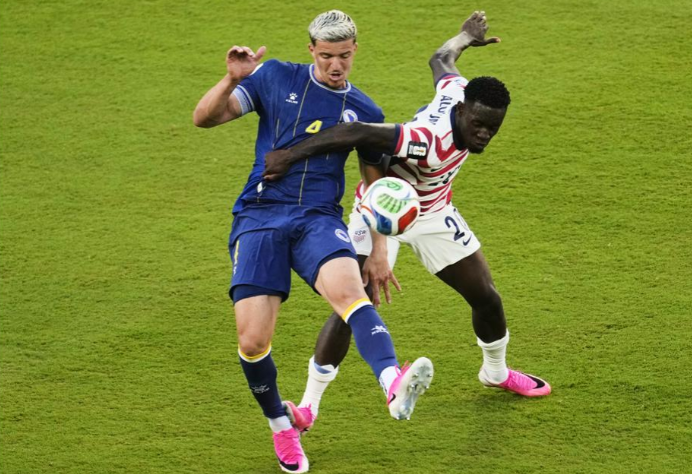
To understand the severity of the Belgium Infantino Balogun red card case, one must examine the timeline during the 2026 FIFA World Cup. During the group stage encounter, United States national team forward Folarin Balogun received a straight red card following a VAR review for a high-tackle infraction against referee Raphael Claus’s initial assessment.
Under Article 51 of the FIFA Disciplinary Code, a straight red card triggers an automatic one-match suspension applicable to the team’s subsequent fixture—which happened to be the round-of-16 clash between the United States and Belgium.

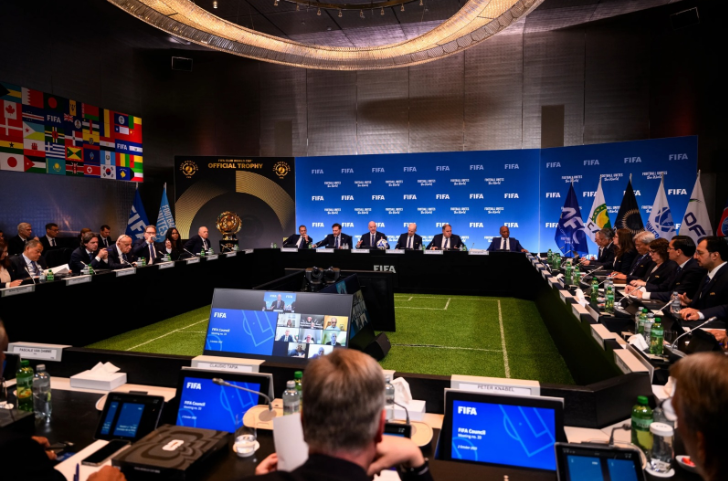
However, in an unprecedented administrative decision, FIFA’s disciplinary framework suspended the automatic ban just 24 hours prior to kickoff. This intervention followed direct personal outreach from US President Donald Trump to FIFA President Gianni Infantino, requesting a formal review of the sanction. Balogun was subsequently cleared to start against Belgium, sparking immediate concern from European federations regarding competitive fairness and procedural consistency.
“It is essential that such cases are handled in a transparent and rigorous manner, in the interests of FIFA, the good governance and the credibility of international football, with clear safeguards for the future.”
— Official Statement, Royal Belgian Football Association (RBFA)
Disciplinary Discrepancy: Standard Rules vs. Case Intervention
The controversy in the Belgium Infantino Balogun red card case highlights stark operational differences between standard disciplinary enforcement and extraordinary interventions:
| Governance Dimension | Standard FIFA Disciplinary Process | Balogun Case Intervention |
| Applicable Authority | Independent Disciplinary Committee | Direct Administrative/Executive Review |
| Automatic Suspension | Mandatory 1-match ban (Article 51) | Suspended pending formal post-tournament review |
| Political Outreach | Explicitly Prohibited (Article 15 Neutrality) | High-level executive dialogue prior to decision |
| Written Justification | Published via Judicial Bodies Portal | Unexplained, lacking written rationale to affected FA |
| Procedural Recourse | Limited appeal pathways for automatic bans | Immediate stay granted prior to knockout match |
Two Fronts of Friction: Judicial Independence & FIFA Forward Enterprise
While the Belgium Infantino Balogun red card case serves as the immediate catalyst, Belgium’s decision to withhold support stems from two deeper governance friction points within FIFA’s central administration.
                  ┌─────────────────────────────────────────────────────────┐
                  │          RBFA Opposition & Withheld Vote               │
                  └──────────────────────────┬──────────────────────────────┘
                                             │
                      ┌──────────────────────┴──────────────────────┐
                      ▼                                             ▼
       ┌─────────────────────────────┐               ┌─────────────────────────────┐
       │   Disciplinary Integrity    │               │    Financial Transparency   │
       │  • Balogun Red Card Stay    │               │  • FIFA Forward Enterprise  │
       │  • Lack of Written Rationale│               │  • Commercial Rights Sales  │
       │  • Political Interference   │               │  • Centralized Governance   │
       └─────────────────────────────┘               └─────────────────────────────┘
1. Disciplinary Integrity and Political Non-Interference
The RBFA maintains that allowing political figures to influence on-pitch judicial outcomes violates Article 15 of the FIFA Statutes, which mandates absolute neutrality and independence from governmental entities. By failing to provide a published rationale for overturning Balogun’s suspension, FIFA has created a troubling legal precedent for international football administration.
2. Commercial Rights and FIFA Forward Enterprise
Beyond the Belgium Infantino Balogun red card case, the RBFA expressed formal dissatisfaction with several administrative decisions surrounding FIFA Forward Enterprise. Specifically, Belgium opposed proposed plans to monetize minority stakes in World Cup commercial rights to private investment consortia.


Belgium has consistently championed a sustainable, independent commercial model that protects national associations from speculative corporate governance.
“My team at the RBFA communicated with FIFA in a composed and constructive manner, both during and after the World Cup, in order to obtain clarity in the Balogun case. Two months after the events, we note that our questions remain unanswered to date.”
— Pascale Van Damme, President of the RBFA
Operational Impact on Gianni Infantino’s Re-Election Campaign
Belgium’s formal stance introduces real political complexity into Gianni Infantino’s campaign for another term as FIFA President. While FIFA leadership often relies on broad voting blocs across CONCACAF, CAF, and the AFC, open opposition from respected UEFA member nations threatens the consensus narrative Infantino’s administration has cultivated.

Strategic Agenda Demands for the October 15 FIFA Council Meeting
To resolve the impasse created by the Belgium Infantino Balogun red card case, the Belgian federation has officially placed two non-negotiable items on the agenda for the upcoming FIFA Council meeting on October 15:
- Full Disclosure of Judicial Findings: Publication of the complete legal rationale used to suspend Folarin Balogun’s red-card sanction.
- Standard Operating Procedure Protocols: Establishment of clear safeguards preventing executive override of match suspensions in future FIFA tournaments.
- Audit of FIFA Forward Enterprise Allocations: Independent evaluation of financial decision-making processes regarding commercial rights monetization.
- Binding Governance Reforms: Formal reaffirmation of political non-interference guarantees across all judicial panels.
Frequently Asked Questions
What is the primary issue in the Belgium Infantino Balogun red card case?
The primary issue in the Belgium Infantino Balogun red card case centers on FIFA suspending US striker Folarin Balogun’s automatic red-card ban before a World Cup knockout match against Belgium without publishing a transparent legal explanation.
Why is Belgium withholding support for Gianni Infantino’s FIFA presidential bid?
Belgium is withholding support due to unanswered questions regarding the Belgium Infantino Balogun red card case disciplinary decision and broader concerns surrounding financial governance and commercial rights sales within FIFA Forward Enterprise.
Who is leading the Royal Belgian Football Association’s push for transparency?
RBFA President Pascale Van Damme leads the effort, demanding that FIFA address procedural irregularities in the Belgium Infantino Balogun red card case at the October 15 FIFA Council meeting.
What standard rule was bypassed in the Folarin Balogun case?
Under Article 51 of the FIFA Disciplinary Code, a direct red card requires an automatic one-match suspension. In the Belgium Infantino Balogun red card case, this automatic application was delayed, permitting Balogun to compete against Belgium.
How does political outreach affect FIFA disciplinary rulings?
FIFA Statutes mandate strict political neutrality. The involvement of external political figures in requesting disciplinary reviews risks undermining the independence and credibility of FIFA’s judicial bodies.
The Belgium Infantino Balogun red card case represents a defining moment for international football administration. By demanding full structural accountability rather than accepting administrative silence, the Royal Belgian Football Association has established a crucial line regarding judicial independence, administrative fairness, and commercial integrity. As football leaders gather for the upcoming FIFA Council meeting, the resolution of the Belgium Infantino Balogun red card case will establish how global football balances high-stakes political pressures with institutional transparency.
Read more football news and latest updates