


High-intensity international cricket combined with non-stop franchise leagues has pushed elite athletes to their physical limits. Frequent physical breakdowns among key Indian cricketers have forced the Board of Control for Cricket in India to rethink its long-term scheduling. The challenge of BCCI player injury management is no longer just a medical concern; it is now a strategic necessity for sustainable team performance.
During recent white-ball assignments in England, Cricket Team India suffered severe roster disruptions. Key players like Jasprit Bumrah, Harshit Rana, Washington Sundar, and Nitish Kumar Reddy faced physical setbacks. These missing players directly contributed to a disappointing 4-0 defeat in the T20I series and a 2-1 loss in the ODI format.
Recognizing the crisis, BCCI Secretary Devajit Saikia confirmed that the board is actively restructuring workload protocols and future tour arrangements.
+-------------------------------------------------------------------------------+
|                      BCCI WORKLOAD MANAGEMENT ECOSYSTEM                       |
+-------------------------------------------------------------------------------+
|  1. IPL Workload Monitoring  --> Real-time GPS & Fast-Bowler Delivery Tracking|
|  2. Centre of Excellence (CoE)--> Centralized Physical & Rehab Diagnostics    |
|  3. FTP Restructuring        --> Mandatory 14-Day Recovery Windows Post-IPL    |
|  4. Format-Specific Rotation --> Dual-Captaincy & Squad Depth Management      |
+-------------------------------------------------------------------------------+
1. The Root Causes Behind Escalating Player Fatigue
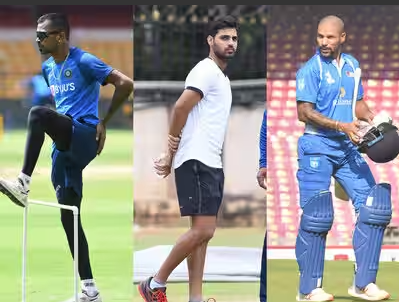
Modern Indian cricketers face one of the most demanding calendars in world sports. The transition from a two-month Indian Premier League (IPL) season directly into intense international series leaves almost zero window for muscle recovery and soft-tissue repair.

High-Impact Stress Factors
- Compressed Match Intervals: Fast bowlers often bowl maximum-effort overs every 48 to 72 hours across multiple time zones.
- Surface Adaptation Stress: Shifting rapidly between hard, abrasive subcontinent pitches and seam-friendly overseas tracks increases lumbar and ankle strain.
- Format-Switching Demands: Moving from four-over T20 bursts to ten-over ODI spells without adequate building phase leads to acute muscular tears.
Crucial Takeaway: Soft-tissue injuries and stress fractures are rarely accidental. They represent cumulative physical fatigue caused when bowling workloads spike without adequate recovery phases.
2. High-Level Leadership Action: The Emergency Summit
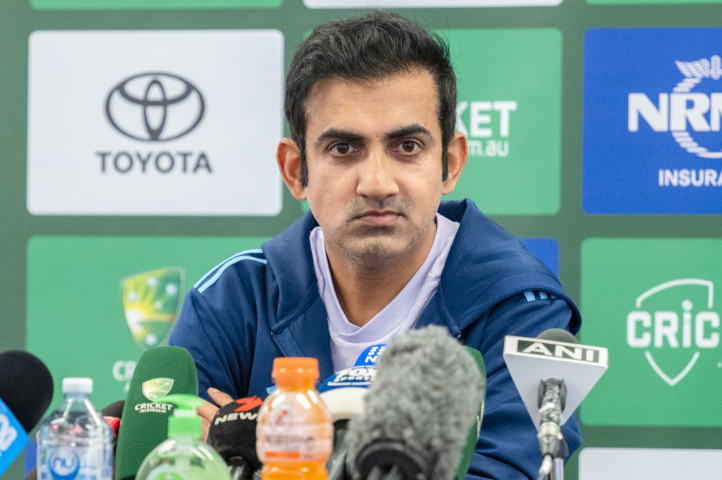
To tackle this ongoing crisis, the BCCI convened a strategic council meeting. Head coach Gautam Gambhir, Centre of Excellence (CoE) Director VVS Laxman, T20I Captain Shreyas Iyer, and ODI Captain Shubman Gill met to establish uniform fitness criteria across all squad selections.

Key Operational Decisions Taken
- Mandatory CoE Clearance: No player returning from injury can join the international squad without full fitness clearance from the Centre of Excellence in Bengaluru.
- Conditional Selection: Players named in upcoming series, such as the matches against Afghanistan in New Delhi, must pass bio-mechanical stress tests before game day.
- Pre-Emptive Rest Windows: Core multi-format players will receive mandatory rest periods during non-ICC marquee series.

3. Workload Across Match Formats
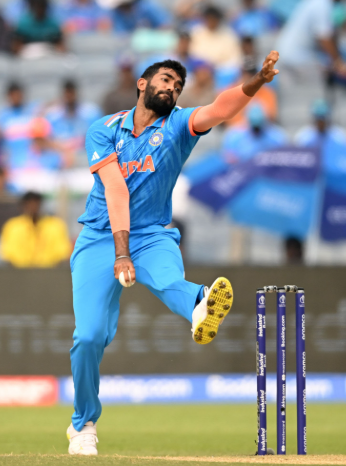
Managing elite athletes requires balancing competitive demands with bio-mechanical limitations. Fast bowlers face intense physical demands, requiring precise spell management across different formats.
| Match Format | Average Overs Per Match | High-Stress Delivery Intensity | Physical Strain Rating | Recommended Recovery Time |
| T20 Internationals | 4.0 Overs | Extremely High (100% effort) | Moderate to High | 24–48 Hours |
| One Day Internationals | 8.0 – 10.0 Overs | High Sustained Effort | Very High | 72 Hours |
| Test Matches | 15.0 – 25.0 Overs Per Innings | High Volume & Repeat Effort | Extreme | 5–7 Days |
| IPL Franchise Season | 56.0+ Total Overs over 14 Matches | Repeated Explosive Bursts | High (Cumulative) | 14 Days Minimum |
4. Reimagining the ICC Future Tours Programme (FTP)
BCCI Secretary Devajit Saikia highlighted that the board is actively negotiating upcoming ICC Future Tours Programme (FTP) schedules to build in dedicated rest windows.
The 4-Pillar Structural Roadmap
- Dedicated Post-IPL Recovery Windows: Creating a mandatory two-week buffer zone following the IPL before any away international bilateral series.
- Squad Rotation Protocols: Expanding the core white-ball pool to 25 players to ensure seamless bench strength without overworking primary match-winners.
- Real-Time Bio-Tracking: Implementing advanced GPS and wearable sensor technologies to track bowler workload metrics during domestic and franchise games.
- Centralized Medical Supervision: Directing CoE medical staff to collaborate with IPL franchise physiotherapists for synchronized athlete tracking year-round.
Frequently Asked Questions
Why is BCCI player injury management becoming a top priority in 2026?
Persistent injury setbacks to key players like Jasprit Bumrah during major tours exposed squad vulnerabilities. Managing athlete workloads preserves key talent for marquee ICC events and long-term team stability.
How does the IPL schedule impact player injury rates?
The intense two-month IPL schedule demands repeated explosive efforts with heavy travel. Without scheduled rest periods, cumulative muscular strain leads to injuries when players immediately transition back to international duty.
What role does the BCCI Centre of Excellence play in recovery?
The Centre of Excellence (CoE) in Bengaluru acts as the central hub for athlete rehabilitation, biomechanical assessment, and physical conditioning. Players recovering from injury must receive official medical clearance from the CoE before rejoining the national squad.
How will changes to the Future Tours Programme (FTP) protect players?
The BCCI is working to secure dedicated rest windows within future FTP schedules. Adding mandatory two-week recovery breaks after major events prevents chronic fatigue and reduces soft-tissue injuries.
Which Indian players were impacted by injury setbacks during recent tours?
Key players including Jasprit Bumrah, Harshit Rana, Washington Sundar, and Nitish Kumar Reddy missed crucial fixtures during recent white-ball tours due to physical setbacks, prompting revised workload protocols.
Managing athlete health in modern cricket requires balancing commercial schedules with elite physical care. The BCCI’s proactive steps—implementing strict Centre of Excellence testing, creating post-IPL rest windows, and negotiating future FTP schedules—provide a clear blueprint for protecting player health.
Ensuring player longevity requires balancing commercial schedules with elite athlete care. By combining advanced sports science with smart rotation policies, Team India can build a resilient, world-class squad across all formats. Stay updated on the latest cricket analytics and sports management insights by subscribing to our newsletter today.
Read more sports news and latest updates
Read more cricket news and latest updates