


Pakistan cricket has long been known for producing world-class fast bowlers. From legendary names who dominated international cricket to the latest generation of promising pacers, the country continues to develop exciting talent capable of competing at the highest level.
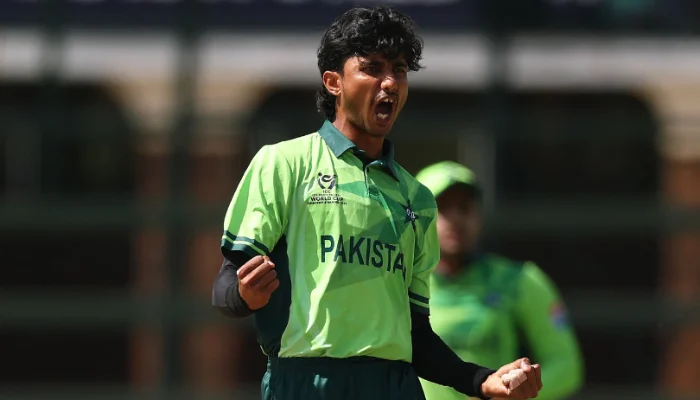
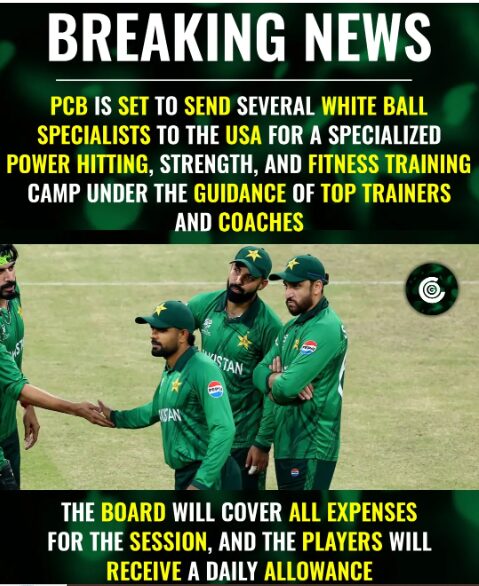
One of the brightest young prospects currently attracting attention is Ali Raza. The teenage fast bowler has rapidly emerged as a player with immense potential, earning praise for his pace, skill, and maturity beyond his years. As Pakistan Cricket Board (PCB) looks to strengthen its player development pathway, reports suggest that Ali Raza is being considered for a specialized training program in the United States.
The proposed initiative represents more than just an overseas training opportunity. It highlights a significant shift in Pakistan cricket’s approach to athlete development, fitness management, sports science, and long-term planning.
If approved, the Ali Raza US Training Program could become a defining moment in the young pacer’s journey toward international cricket.
Why PCB Is Exploring Overseas Training Opportunities
Modern cricket has evolved dramatically over the last decade. Teams are no longer relying solely on traditional coaching methods. Instead, they are investing heavily in:
- Sports science
- Performance analytics
- Biomechanics
- Strength and conditioning
- Injury prevention
- Specialized skill development
Leading cricket nations regularly expose their players to international training environments to accelerate growth and improve performance.
Pakistan is now moving in a similar direction.
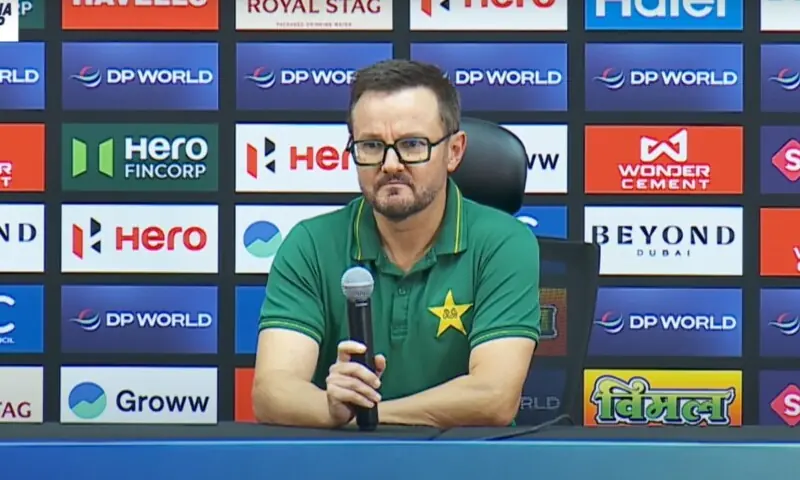
Under the guidance of white-ball head coach Mike Hesson and the PCB’s high-performance team, the board is exploring innovative ways to prepare players for the demands of modern cricket. The proposed US-based program aims to provide selected cricketers with access to advanced training methods that may not be readily available in traditional cricket settings.
The initiative reportedly focuses on improving power generation, athletic development, fitness standards, and specialized skills that are becoming increasingly important in international cricket.

Who Is Ali Raza?
A Rising Star in Pakistan Cricket
Ali Raza is widely regarded as one of Pakistan’s most promising young fast bowlers.
Despite his young age, he has already made a strong impression through performances in age-group cricket and domestic competitions. His ability to generate pace while maintaining control has made him a standout prospect among Pakistan’s emerging cricketers.
Cricket experts believe he possesses many of the qualities required to succeed at the international level, including:
- Natural pace
- Aggressive bowling mindset
- Athleticism
- Ability to perform under pressure
- Strong work ethic
Success at the U19 Level
Ali Raza gained significant recognition through Pakistan’s youth cricket system.
His performances in youth tournaments helped establish him as one of the country’s most exciting bowling prospects. He was also part of Pakistan’s successful Under-19 setup, which continues to serve as a vital talent pipeline for the national team.
The PCB views players like Ali Raza as future assets who require careful nurturing and structured development.

Mike Hesson’s Vision for Player Development
Since taking charge of Pakistan’s white-ball setup, Mike Hesson has emphasized a more systematic approach to player improvement.
According to Hesson, the ongoing training camps at the National Cricket Academy are focused on:
- Medical screening
- Fitness assessments
- Skill enhancement
- Long-term conditioning
- Individual development plans
Every player participating in the program is reportedly receiving personalized performance targets designed to improve specific aspects of their game.
Hesson believes that modern cricket requires athletes to be exceptionally fit, strong, and adaptable. He has repeatedly stressed the importance of building players capable of handling the physical demands of international competition.
The proposed US training initiative appears to be an extension of this philosophy.

What Would the US Training Program Involve?
Advanced Conditioning and Athletic Development
One of the key objectives of the program is expected to be enhancing physical conditioning.
Modern fast bowlers face enormous workloads throughout the year. Maintaining peak performance requires more than simply bowling in nets or playing matches.
Players need:
- Strength training
- Mobility work
- Recovery protocols
- Injury prevention exercises
- Sports science support
The US sports industry is globally recognized for its expertise in athlete development, making it an attractive destination for specialized training.
Exposure to New Training Methods
Another important aspect of the initiative is exposure.
Young athletes often benefit from learning in different environments where they encounter new coaching philosophies and training techniques.
Benefits may include:
- Broader understanding of athletic performance
- Improved discipline and professionalism
- Enhanced adaptability
- Greater confidence
Such experiences can accelerate development and help players become more complete athletes.
Focus on Long-Term Growth
Rather than seeking immediate results, the proposed program appears designed to support long-term player development.
This aligns with modern cricket’s growing emphasis on building sustainable careers rather than rushing young talents into international cricket before they are fully prepared.
Why Fitness Matters More Than Ever in Modern Cricket
The modern game places enormous physical demands on players.
Fast bowlers, in particular, face challenges such as:
High Workloads
International schedules have become increasingly crowded.
Players regularly compete across:
- Test cricket
- One-Day Internationals
- T20 Internationals
- Domestic tournaments
- Franchise leagues
Without proper conditioning, performance levels can decline rapidly.
Injury Prevention
Fast bowlers are especially vulnerable to injuries involving:
- Back
- Knees
- Ankles
- Hamstrings
- Shoulders
Advanced training methods help reduce these risks while improving durability.
Sustained Performance
Fitness is no longer simply about endurance.
Modern athletes must develop:
- Explosive power
- Speed
- Agility
- Recovery capacity
- Strength
These qualities enable players to maintain performance throughout long seasons.
PCB’s Increasing Focus on Sports Science
The PCB has recently taken several steps to modernize its player development framework.
One notable move was strengthening its sports science and medical departments to ensure players receive professional support throughout their careers.
This reflects a broader understanding that elite performance depends on more than talent alone.
Key focus areas now include:
Medical Assessments
Regular evaluations help identify physical weaknesses before they become major problems.
Strength and Conditioning
Customized programs help athletes develop sport-specific physical attributes.
Recovery Management
Recovery is now considered just as important as training itself.
Performance Monitoring
Data-driven analysis allows coaches to track progress and make informed decisions.
The proposed US initiative fits naturally within this modernized framework.
How Ali Raza Could Benefit from the Program
Improved Physical Strength
Enhanced strength training could help Ali Raza generate greater pace while reducing injury risks.
Better Workload Management
Learning how to manage physical demands is crucial for young fast bowlers transitioning toward international cricket.
Professional Development
Working in a specialized environment could expose him to elite performance standards.
Increased Confidence
Exposure to world-class facilities and coaching often boosts confidence and maturity.
Preparation for International Cricket
The experience could accelerate his readiness for future national team opportunities.
These benefits explain why the PCB appears keen to invest in promising players before they reach the highest level.
The Importance of Developing Emerging Talent
Successful cricket nations consistently invest in youth development.
Countries like Australia, England, and New Zealand have built strong pathways that help talented youngsters transition smoothly into senior cricket.
Pakistan has produced exceptional talent naturally for decades, but structured development programs can increase the chances of long-term success.
Key advantages include:
- Better player retention
- Reduced injury rates
- Improved consistency
- Stronger national squads
- Sustainable success
The PCB’s current strategy suggests a growing commitment to these principles.
Challenges Facing Young Fast Bowlers
Despite their talent, young pacers often encounter several obstacles.
Physical Stress
Fast bowling places enormous strain on the body.
Technical Development
Minor flaws can become major issues at higher levels.
Mental Pressure
Expectations from fans and media can be overwhelming.
Competition for Places
Pakistan continues to produce a deep pool of fast-bowling talent.
Programs focused on holistic development help players overcome these challenges more effectively.
What This Means for Pakistan Cricket
If the proposed US training initiative succeeds, it could influence future development programs across Pakistan cricket.
Potential outcomes include:
- More overseas training partnerships
- Increased use of sports science
- Enhanced player monitoring
- Improved fitness standards
- Better preparation for global tournaments
Such initiatives demonstrate a willingness to embrace innovation while preserving Pakistan’s rich cricketing tradition.
For young talents like Ali Raza, these opportunities could provide a valuable platform for growth.
Frequently Asked Questions
What is the Ali Raza US Training Program?
The proposed program would send selected Pakistani cricketers, including Ali Raza, to the United States for specialized training focused on fitness, conditioning, and skill development.
Why is PCB considering sending players to the US?
The board aims to expose players to advanced coaching techniques, sports science practices, and modern athlete development methods.
Who is Ali Raza?
Ali Raza is a highly rated young Pakistani fast bowler regarded as one of the country’s most promising emerging cricket talents.
Has the training program been officially confirmed?
The proposal is currently under consideration, and final approval, logistics, and player selection details are yet to be finalized.
What role does Mike Hesson play in the initiative?
Pakistan’s white-ball head coach Mike Hesson is a key advocate for improving fitness, conditioning, and long-term player development strategies.
How can sports science improve cricket performance?
Sports science helps optimize fitness, recovery, injury prevention, workload management, and overall athletic performance.
Why is fitness so important for fast bowlers?
Fast bowlers face heavy physical demands, making strength, conditioning, and injury prevention critical for sustained success.
Could this program help Pakistan cricket in the long term?
Yes. Developing young players through advanced training methods could strengthen Pakistan’s talent pipeline and improve future international performance.
The proposed Ali Raza US Training Program represents a forward-thinking approach to player development at a time when international cricket is becoming increasingly competitive. Rather than relying solely on traditional methods, the PCB is exploring modern training environments designed to enhance fitness, athleticism, and long-term performance.
For Ali Raza, the opportunity could provide invaluable experience as he continues his journey toward international cricket. For Pakistan cricket, it signals a broader commitment to innovation, sports science, and sustainable player development.
As the PCB finalizes its plans, fans and cricket experts alike will be watching closely to see whether this initiative becomes a blueprint for nurturing the next generation of Pakistani stars. The success of players like Ali Raza could ultimately shape the future of Pakistan cricket for years to come.