


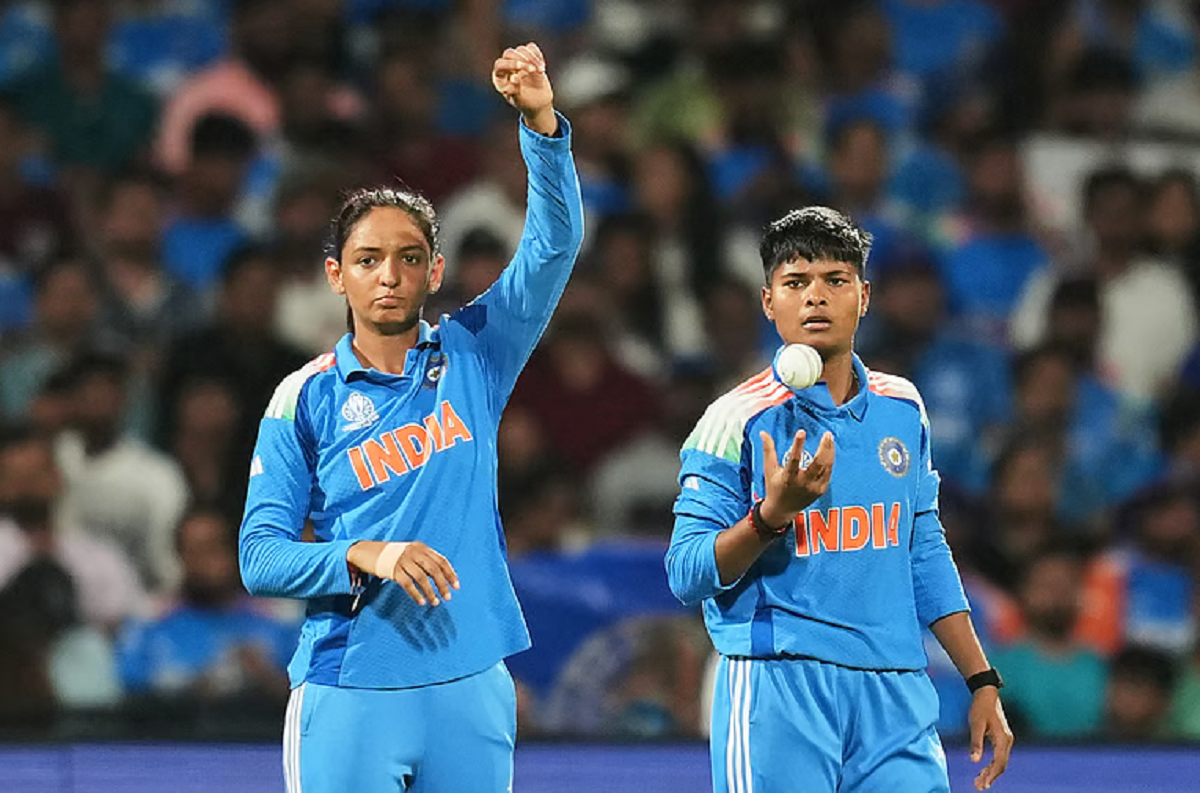
Disciplinary measures in international cricket maintain the integrity and competitive spirit of the game, even during high-intensity continental showdowns. The recent Kranti Gaud fine issued by the International Cricket Council (ICC) highlights the stringent governance applied across all tiers of international competition. Following a passionate celebration during the ACC Women’s T20 Asia Cup final, the young Indian fast bowler faced official sanctions that spotlight the fine line between aggressive competitive expression and code violations. This comprehensive analysis breaks down the incident, examines the exact regulatory frameworks involved, and explores the broader implications for women’s international cricket governance.
The Incident: ACC Women’s T20 Asia Cup Final
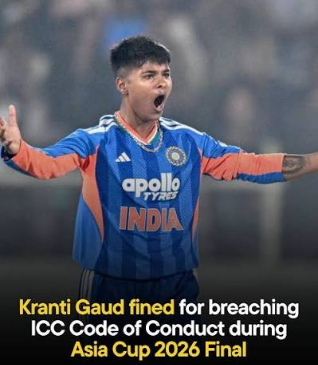
The disciplinary action stems from high-octane drama at the Dubai International Cricket Stadium on September 13, 2026. Facing Sri Lanka in the prestigious ACC Women’s T20 Asia Cup final, India’s 23-year-old right-arm pacer made an immediate impact right at the start of the innings.
On the fourth delivery of the opening over, the fast bowler cleaned up Sri Lankan batter Imesha Dulani. Elated by the breakthrough, the pacer celebrated by directing gestures toward the pavilion, crossing the threshold of accepted on-field conduct.
Match Officials and Charge Levelling
- On-Field Umpires: Saleema Imtiaz and Shathira Jakir Jesy
- Third Umpire: Rokeya Sultana
- Fourth Umpire: Humaira Farah
- Match Referee: Supriya Rani Das (ICC International Panel of Match Referees)
The officiating quartet formally levied the charge immediately following the conclusion of the match segments, pointing directly to behavioral infractions under standard apex body guidelines.
Understanding the ICC Code of Conduct Article 2.5
The Kranti Gaud fine was officially administered under Article 2.5 of the ICC Code of Conduct for Players and Player Support Personnel. This specific article targets actions that provoke aggressive reactions or undermine the dignity of a dismissed batter.
Pro-Tip on Regulation: Article 2.5 is designed to prevent escalating verbal or visual altercations on the field. It specifically penalizes gestures or language that target a batter returning to the pavilion, ensuring matches remain competitive without crossing into hostility.
What Constitutes a Level 1 Breach?
Under ICC guidelines, disciplinary infractions are categorized into distinct levels ranging from Level 1 to Level 4. A Level 1 breach represents the lowest severity tier but carries mandatory administrative consequences:
- Official Reprimand: A formal written warning recorded in the player’s disciplinary file.
- Financial Penalty: Fines reaching up to 50% of the applicable match fee.
- Disciplinary Points: The addition of one or two demerit points to the player’s official record over a rolling 24-month window.
Sanction Breakdown & Disciplinary Penalties
The match referee proposed sanctions that were promptly accepted by the player, bypassing the need for a formal judicial hearing and expediting the administrative process.
| Penalty Component | Imposed Sanction | Regulatory Limit |
| Match Fee Deduction | 10 percent | Up to 50 percent maximum for Level 1 |
| Demerit Points | 1 point added | Up to 2 points maximum for Level 1 |
| Disciplinary Status | First offense in 24-month window | Accumulation threshold triggers suspensions |
Step-by-Step ICC Disciplinary Adjudication Process
When an on-field incident occurs during a major tournament like the Women’s T20 Asia Cup, a standardized framework governs how penalties are assigned:
- Identification by Umpires: On-field and television umpires monitor player reactions in real-time and document potential breaches.
- Charge Formulation: At the end of play, the umpiring team frames the specific Article violation (e.g., Article 2.5).
- Referee Review: The designated ICC Match Referee evaluates video evidence and official reports.
- Sanction Proposal: The referee determines the appropriate fine and demerit points based on previous infractions.
- Player Acceptance or Hearing: The player can contest the charge at a formal hearing or accept the penalty, closing the case instantly.
Impact on Player Career and Future Conduct
Accumulating demerit points carries long-term consequences in international cricket. If a player reaches four or more demerit points within a rolling 24-month period, those points convert into suspension points, resulting in bans from international fixtures.
For a rising talent like the Indian speedster, this incident serves as a crucial learning curve in emotional regulation under pressure. Maintaining composure after securing vital wickets is a hallmark of elite fast-bowling longevity.
Broader Trends in Women’s Cricket Governance
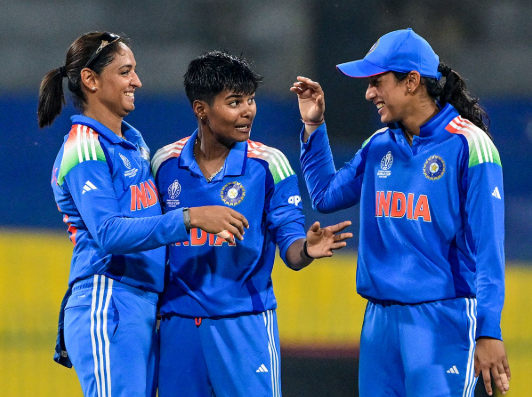
As women’s cricket grows exponentially in global viewership, broadcasting scale, and commercial value, the ICC has intensified enforcement of on-field regulations. High-stakes tournaments witness amplified emotional peaks, making strict adherence to disciplinary codes essential for maintaining public standards.
- Uniform Enforcement: Men’s and women’s international fixtures operate under identical code thresholds.
- Player Education: Teams now conduct specialized workshops on emotional control and boundary management.
- Transparency: Rapid reporting mechanisms ensure fans and analysts understand penalties immediately.
Frequently Asked Questions
Why was the Kranti Gaud fine issued by the ICC?
The fine was issued because the Indian pacer breached Article 2.5 of the ICC Code of Conduct during the ACC Women’s T20 Asia Cup final. She used celebratory gestures directed toward the pavilion after dismissing Sri Lankan batter Imesha Dulani, which violated rules against provoking dismissed batters.
What specific penalty did Kranti Gaud receive?
She was fined 10 percent of her match fee and had one demerit point added to her disciplinary record. Because it was her first offense within a 24-month period, she accepted the sanction without requiring a formal hearing.
What is Article 2.5 of the ICC Code of Conduct?
Article 2.5 governs player behavior during dismissals. It penalizes using language, actions, or gestures that disparage or provoke an aggressive reaction from an opposing batter upon their dismissal during an international match.
How do demerit points work in international cricket?
Demerit points remain active on a player’s record for a rolling 24-month period. Accumulating four or more demerit points within this window converts them into suspension points, leading to bans from upcoming international matches.
Who reported the incident during the Asia Cup final?
The Level 1 breach was officially reported by on-field umpires Saleema Imtiaz and Shathira Jakir Jesy, third umpire Rokeya Sultana, and fourth umpire Humaira Farah, with sanctions proposed by match referee Supriya Rani Das.
Can a player contest an ICC Code of Conduct penalty?
Yes. When a match referee proposes a sanction, the player has the option to contest the charge and request a formal judicial hearing. However, accepting the proposed sanction immediately closes the matter without a hearing.
Professional sports thrive at the intersection of fierce competitive drive and strict behavioral standards. The recent disciplinary action underscores the vigilance of international match officials in upholding the spirit of the game across all global events. By balancing aggressive athleticism with disciplined restraint, players safeguard the integrity and reputation of international cricket.
Explore our latest sports reports and expert analysis sections to stay updated on ongoing tournament standings, player rankings, and official regulatory updates across world cricket.
Read more sports news and latest updates
Read more cricket news and latest updates










Leave a Reply