Australia India A Tour: National Selectors Prioritize Subcontinental Red-Ball Preparation
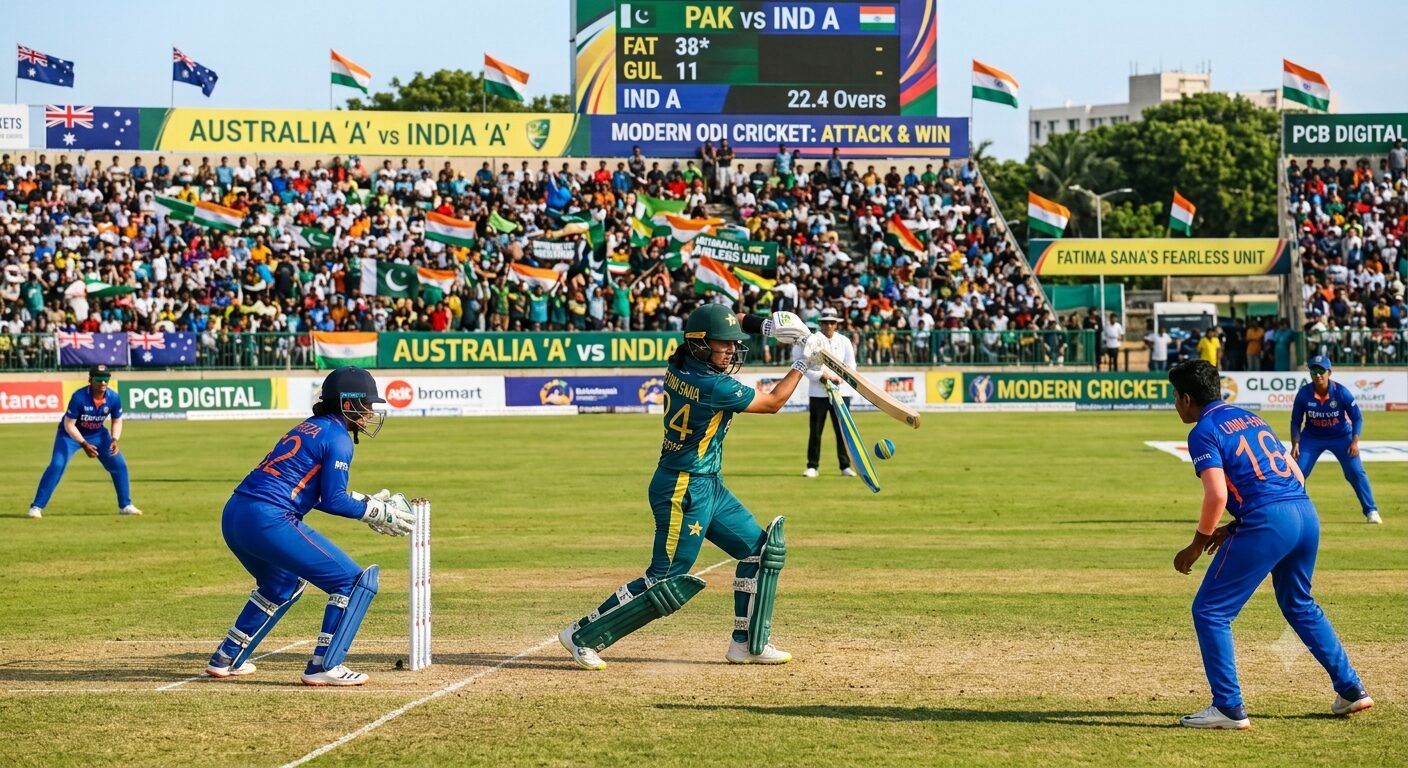
The strategic balancing act between short-term international bilateral commitments and long-term red-ball supremacy has reached a critical juncture for Cricket Australia. In a bold tactical move, the National Selection Panel (NSP) is actively considering a plan to prioritize the upcoming men’s Australia A tour of India over concurrent white-ball campaigns in Southern Africa. This development highlights an aggressive paradigm shift in how the reigning world powerhouse prepares for its most challenging away red-ball assignments.
As subcontinental conditions continue to serve as the ultimate litmus test for modern cricket teams, managing player exposure has become paramount. Chief selector George Bailey confirmed that the selection committee is locked in deep discussions regarding which high-potential athletes will be diverted to the subcontinent rather than boarding flights for the scheduled limited-overs matches.
The Master Plan: Border-Gavaskar Trophy Supremacy
The root cause of this scheduling and selection puzzle lies in Australia’s burning ambition to achieve a historic Test series win on Indian soil—a feat the team has not accomplished since their memorable 2004 triumph. With a highly anticipated five-match away Test series against India looming on the horizon, the selection panel views red-ball exposure in subcontinental environments as an indispensable asset.
Scheduling Conflict Overview (September 15 – October 2)
┌──────────────────────────────────────────────┐
│  White-Ball Tour (Southern Africa)           │
│  - 3 ODIs vs Zimbabwe                        │
│  - 3 ODIs vs South Africa                    │
└──────────────────────┬───────────────────────┘
                       │ OVERLAPS WITH
┌──────────────────────▼───────────────────────┐
│  Red-Ball Tour (Puducherry, India)           │
│  - 2 Four-Day Fixtures: Australia A v India A│
└──────────────────────────────────────────────┘
The primary objective is to allow the next generation of potential Test stars to acclimatize to the distinct behavioral traits of Asian pitches—specifically subcontinental spin, variable bounce, and intense heat—well before they are thrown into the high-pressure environment of the senior Border-Gavaskar Trophy squad.
Weighing the Strategic Costs: ODI Continuity vs. Test Preparation
From a developmental perspective, sacrificing a senior international white-ball tour is an incredibly difficult choice for any selection panel. Australia had initially intended to utilize the six scheduled One Day Internationals (three apiece against Zimbabwe and South Africa) as fundamental stepping stones for the upcoming ICC Men’s Cricket World Cup. Those host countries, alongside Namibia, will anchor the next global 50-over tournament.
However, the immense long-term value of the concurrent four-day red-ball matches in Puducherry has forced a massive tactical rethink.
“It’s always a really difficult thing to take an opportunity for someone to play international cricket away from them,” George Bailey admitted candidly during a media briefing. “So some guys are starting to get some good levels of experience over there. Hopefully, when they do get their opportunities to tour there with the national team, that’ll hold them in really good stead.”
The Cooper Connolly Conundrum
Talented young players like all-rounder Cooper Connolly find themselves right at the center of this selection debate. While Connolly’s explosive white-ball capabilities make him an ideal fit for the fast-paced nature of South African and Zimbabwean tracks, his long-term growth as a first-class cricketer could benefit exponentially from a red-ball trial by fire against a premium India A bowling attack.
To maximize assets, Bailey hinted that the selection staff might avoid an “all-or-nothing” approach. The management is actively exploring hybrid travel logistics, allowing select players to participate in the early limited-overs fixtures in Southern Africa before flying out mid-tour to join the secondary phase of the four-day series in Puducherry.
Pitch Realities and Historical Context in Puducherry
The upcoming trip marks the second specialized men’s “A” contingent deployment to India within a compact 12-month window. This repeat entry strategy is designed to replace short, ad-hoc pre-tour camps with continuous, real-time match experience under match-grade pressure.
While internal analysts acknowledge it is impossible to guarantee that the surface preparations at the Mahinda Rajapaksa-style outgrounds in Puducherry will perfectly mirror the elite Test surfaces encountered in standard modern WTC cycles, the developmental advantages remain undeniable.
Key Benefits of Prioritizing the “A” Tour:
- Spin Adaptation: Batsmen learn to trust their defensive techniques and sweeping mechanics against top-tier spin variations on wearing tracks.
- Reverse Swing Mastery: Young fast bowlers gain experience keeping a red leather ball viable in hot, abrasive conditions that promote rapid degradation.
- Mental Conditioning: Playing multi-day cricket in draining tropical conditions builds the patience required for high-stakes Test matches.
Frequently Asked Questions
Why is Cricket Australia prioritizing a developmental ‘A’ tour over senior international ODIs?
The selection panel believes that securing first-class, multi-day experience in subcontinental conditions is far more critical for their long-term goal of winning an away Test series against India, a feat Australia hasn’t achieved since 2004.
What is the official schedule for the conflicting tours?
The six ODIs across Zimbabwe and South Africa are scheduled to run from September 15 to September 30. Concurrently, the two four-day fixtures against India A in Puducherry will take place from September 22 to September 25 and September 29 to October 2.
Could certain players participate in both the ODI series and the ‘A’ tour?
Yes. Chief selector George Bailey confirmed that the panel is debating a hybrid approach where specific players could play the opening white-ball matches before flying over to feature in the final leg of the red-ball series in India.
Who is one of the key players at the center of this selection debate?
Young all-rounder Cooper Connolly is one of the primary figures being discussed, as selectors weigh his immediate value to the senior ODI setup against his long-term development as a red-ball asset in Asia.
Will the pitches in Puducherry perfectly match future Indian Test tracks?
While George Bailey noted there is no guarantee the local surfaces in Puducherry will completely replicate future Test pitches, the exposure to subcontinental weather, soil types, and spin remains incredibly valuable.
Conclusion
Cricket Australia’s willingness to compromise immediate limited-overs results in favor of long-term red-ball adaptation highlights a commendable commitment to strategic planning. While missing out on crucial World Cup preparation matches in Southern Africa is a significant sacrifice, the potential reward of developing a squad capable of conquering subcontinental conditions is simply too valuable to pass up.
If this calculated risk pays off during the next official Border-Gavaskar Trophy cycle, this selection meeting will be remembered as a crucial turning point in modern Australian cricket history.
What is your take on the selection panel’s strategy? Should young stars like Cooper Connolly be fast-tracked into senior international ODIs, or is red-ball development in India the correct priority? Share your insights in the comments section below, and subscribe to our newsletter for instant breaking cricket updates!
Read more cricket news and latest updates